

25 Reception Songs That Guarantee a Packed Dance Floor in 2026
Updated: 3 days ago

The best songs to play at a wedding reception create an unstoppable energy flow that keeps guests dancing from the first notes to the final song. According to Billboard's comprehensive survey of wedding DJs across 13 major US cities, songs like "Uptown Funk" by Mark Ronson featuring Bruno Mars and "I Wanna Dance with Somebody" by Whitney Houston consistently top reception playlists because they combine universal appeal with irresistible dance beats. However, successful reception entertainment requires strategic BPM management and cultural awareness that goes beyond simply playing popular hits. If you're still deciding on your overall entertainment approach, exploring what type of wedding music should i have can help clarify your options.
TL;DR
Billboard's DJ survey identifies "Uptown Funk" as the 1st most-requested wedding song, followed by "Shut Up and Dance" and "Can't Stop the Feeling"
Optimal reception energy flow starts at 90-110 BPM during dinner, transitions to 110-130 BPM for early dancing, peaks at 130+ BPM for prime time
Professional live bands use specific transition techniques and backup song strategies that DJs cannot replicate
Cultural demographics and regional preferences significantly impact song selection success rates
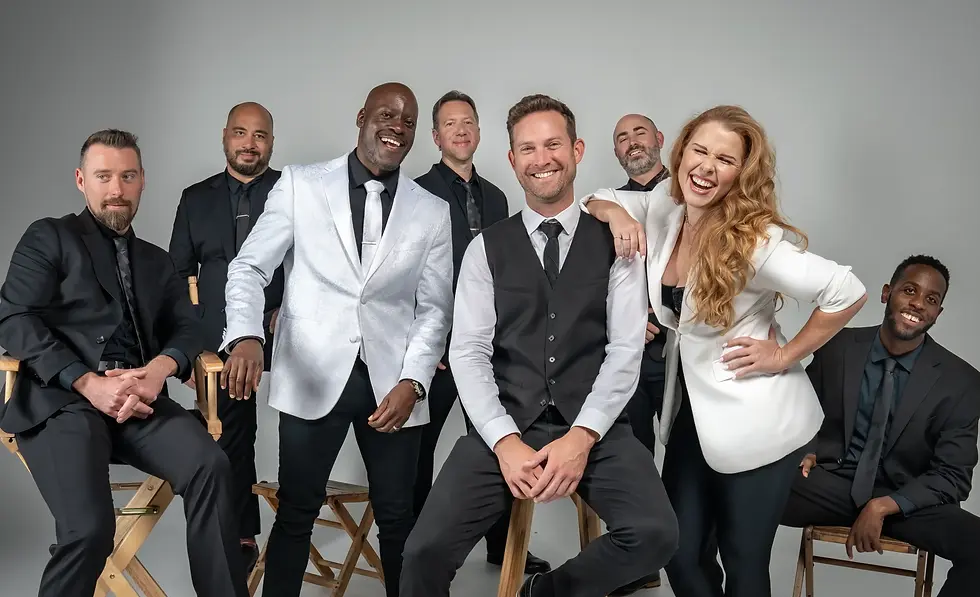
After performing at hundreds of Texas and Colorado weddings, the team at Live Wedding Bands Uptown Drive understands that reception energy management extends far beyond playlist curation. Live performance adds an irreplaceable dynamic that transforms good songs into unforgettable moments, creating the kind of reception atmosphere that keeps guests talking years later.
The difference between a decent party and a legendary celebration lies in understanding how music psychology, crowd demographics, and performance delivery intersect throughout the evening. While recorded music provides consistency, Austin Wedding Band performances offer adaptability that can rescue a slow start or extend peak energy when the crowd demands it. For couples weighing all their options, our guide on 8 Fresh Ideas Wedding Music Alternatives For An Unforgettable Day offers creative inspiration beyond the traditional approach. Couples searching for Best Of Austin Wedding Bands will find our curated resources especially helpful when evaluating live entertainment options.
What Are Fun Wedding Reception Songs?
Fun wedding reception songs combine infectious rhythms with lyrics that encourage participation and movement. The most effective party starters share specific musical characteristics: strong, driving beats typically between 110-130 BPM, memorable hooks that guests can sing along with, and universal themes that resonate across different age groups and cultural backgrounds.
At Uptown Drive, we've observed that songs with call-and-response elements create the strongest crowd engagement. "Hey Ya!" by OutKast consistently fills dance floors because it includes natural participation moments where guests shout back lyrics. Similarly, "Sweet Caroline" generates massive sing-alongs during the "so good, so good, so good" segments, creating communal energy that builds throughout the song.
Chart-topping reception favorites include contemporary hits like "Can't Stop the Feeling" by Justin Timberlake, which reached peak positions on multiple Billboard charts and maintains broad demographic appeal. Classic crowd-pleasers such as "September" by Earth, Wind & Fire (5th in Billboard's wedding DJ survey methodology) deliver guaranteed results because they've proven their effectiveness across thousands of receptions over multiple decades. Our detailed breakdown of Good Dancing Songs For Wedding Receptions Top Picks To Fill The Dance Floor dives deeper into these proven selections. For even more curated options, explore our list of Classic Wedding Party Songs That Fill Every Dance Floor.
The secret to selecting fun reception songs lies in understanding your specific guest demographics. Mixed-generation crowds respond best to songs that include both nostalgic elements and contemporary production. "Uptown Funk" succeeds because it channels classic funk aesthetics through modern pop sensibilities, giving both grandparents and young adults something familiar to connect with. Couples planning a 2026 celebration can also explore Wedding Songs 2026: What Modern Couples Are Actually Requesting for the freshest trending selections.
What Is the Most Played Song at a Wedding Reception?
"Uptown Funk" by Mark Ronson featuring Bruno Mars claims the title as the most-played wedding reception song according to Billboard's authoritative survey of professional wedding DJs. This track's dominance stems from its perfectly crafted 115 BPM tempo that sits in the sweet spot for dancing, combined with brass-heavy production that translates exceptionally well to live performance.
The song's universal appeal crosses generational lines because it incorporates classic funk elements that older guests recognize while maintaining contemporary production values that younger attendees appreciate. During our performances across Texas and Colorado, Uptown Drive consistently witnesses "Uptown Funk" generating immediate floor-filling responses, regardless of crowd composition or venue acoustics.
Close competitors include "Shut Up and Dance" by Walk the Moon and "Can't Stop the Feeling" by Justin Timberlake, both ranking in the top 3 most-requested songs. These tracks share similar characteristics: upbeat tempos, positive lyrical content, and production styles that sound powerful through both recorded systems and live instrumentation. For a curated look at proven tracks, see our guide on The Ultimate Guide To The Most Popular Songs At Wedding Receptions.
Professional DJs report that "I Wanna Dance with Somebody" by Whitney Houston maintains its 4th ranking position because it combines a timeless melody with an irresistible dance groove. The song's enduring popularity demonstrates how certain tracks transcend their original era to become reception staples across multiple decades. Our The Ultimate 2025 Guide 12 Best Dance Songs At Wedding Receptions offers a deeper look at the most requested tracks. Brides looking for the complete picture can also explore 12 Best Songs For Wedding Dance Floor Success In 2025 for additional vetted selections.

What Song Gets Everyone on the Dance Floor at a Wedding?
"September" by Earth, Wind & Fire holds the unique distinction as the song most likely to get absolutely everyone dancing simultaneously. This track's power lies in its infectious 126 BPM groove and instantly recognizable opening horn section that signals pure celebration to guests across all age groups and cultural backgrounds.
The song's effectiveness stems from its perfect timing structure: a 4-bar intro that builds anticipation, followed by an immediately recognizable bass line that compels movement before the vocals even begin. During live performances, Live Wedding Bands Houston performers use this built-in energy arc to maximize crowd response, often positioning "September" as a peak-hour centerpiece when maximum dance floor participation is crucial.
"Don't Stop Believin'" by Journey ranks 7th in Billboard's survey and generates similar universal appeal through its anthemic chorus and emotional connection. The song works because it combines dance-worthy energy with sing-along potential, creating dual engagement through movement and vocals. However, its slower build requires strategic timing placement, typically working best during emotional peak moments rather than initial floor-filling efforts. Our post on The 10 Best Wedding Songs To Get Everyone On The Dance Floor In 2025 explores additional surefire selections. You can also browse our 10 Popular Cover Songs For Bands That Guarantee A Packed Dance Floor for even more floor-filling options.
Regional variations exist in guaranteed floor-fillers. Texas receptions respond exceptionally well to "Wagon Wheel" by Darius Rucker during line-dance segments, while Colorado crowds often demand "Rocky Mountain High" by John Denver during peak celebration moments. Understanding these geographic preferences allows professional entertainers to customize their guaranteed dance floor strategies for maximum local impact. Couples looking for Top Dance Floor Songs For Your Texas Wedding In 2025 Unforgettable Picks will find a regionally focused breakdown of proven crowd favorites.
Best Wedding Reception Songs by Energy Phase
Strategic song selection requires understanding how reception energy naturally ebbs and flows throughout the evening. Professional entertainment management divides receptions into distinct phases, each demanding specific BPM ranges and musical styles to maintain optimal guest engagement without overwhelming conversation or dining experiences.
Dinner Music (90-110 BPM)
Dinner phase selections must balance energy maintenance with conversation facilitation. "Moondance" by Van Morrison exemplifies ideal dinner music because its 92 BPM tempo maintains gentle movement while allowing comfortable conversation volume levels. The song peaked in the Top 30 during its 1970 album chart run and continues resonating with multiple generations.
Contemporary dinner favorites include "I'm Yours" by Jason Mraz, which provides modern appeal through its relaxed acoustic arrangement and positive lyrical content. "A Groovy Kind of Love" by Phil Collins, which reached 1st on the Billboard Hot 100 in 1988, offers classic romantic appeal that enhances the intimate dinner atmosphere.
Dallas Live Wedding Bands to showcase instrumental arrangements and vocal harmonies that might get lost during high-energy dancing segments. This phase also provides opportunities to feature special requests from couples that might lack the tempo necessary for prime dancing time. For more inspiration on dinner music, see our 9 Essential Wedding Reception Music Ideas For 2025.
Transition Phase (110-130 BPM)
The transition from dinner to dancing requires songs that gradually increase energy without jarring guests out of relaxed conversation mode. "Here Comes the Sun" by The Beatles, which peaked at 3rd on the Billboard Hot Rock chart in 2019 during Abbey Road's 50th anniversary celebration, provides perfect transitional energy through its optimistic melody and moderate 129 BPM pace.
"Happy" by Pharrell Williams (14th in Billboard's wedding survey) works exceptionally well during transition periods because its 160 BPM can be performed at half-time feel (80 BPM) for gentle introduction, then shifted to full energy as guests become more receptive to dancing. This flexibility allows live bands to read crowd response and adjust tempo presentation in real-time.
Professional timing places transition phase songs immediately following cake cutting or special dances, when guests naturally shift from seated dining to mingling and movement. Strategic song selection during this 20-30 minute window determines whether the dance portion succeeds or struggles to gain momentum. For a complete look at structuring your evening, see our How To Plan A Dance Wedding Reception That Packs The Floor guide. Couples who want additional ideas for making the reception memorable can explore 10 Unforgettable Fun Wedding Reception Ideas For 2025.
Peak Dancing (130+ BPM)
Peak energy songs require driving beats and universal recognition to maintain maximum dance floor participation. "Hey Ya!" by OutKast (11th in Billboard's survey) delivers 159 BPM energy combined with call-and-response elements that sustain crowd engagement throughout its extended arrangement possibilities.
"Mr. Brightside" by The Killers has emerged as a millennial anthem that generates intense crowd response despite its rock genre classification. The song's success demonstrates how emotional connection can overcome traditional reception music boundaries when performed with appropriate energy and crowd awareness.
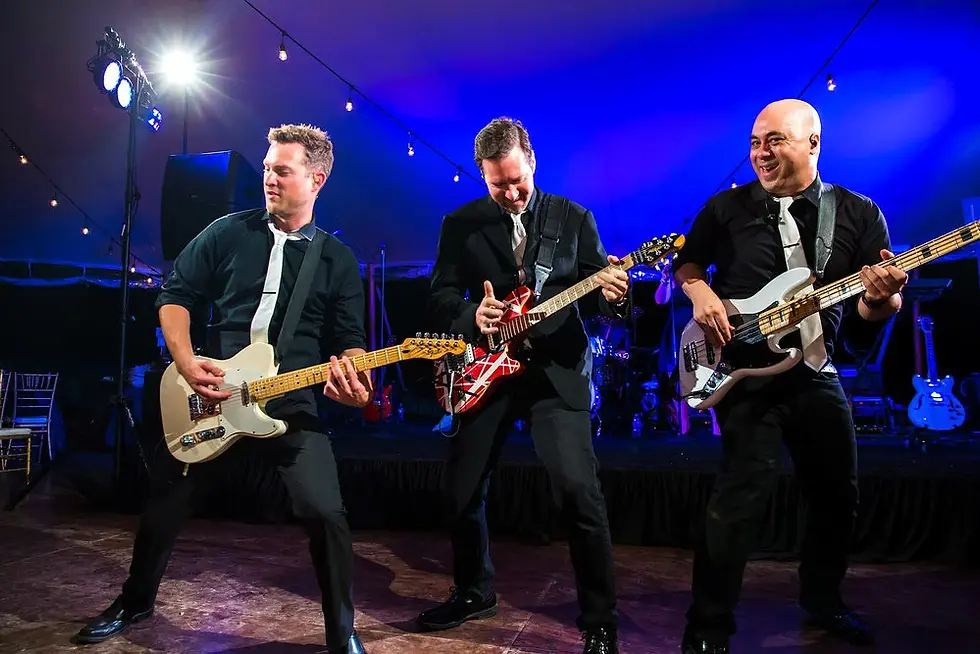
Live performance advantages become most apparent during peak dancing because bands can extend successful songs through instrumental breaks, adjust keys for optimal vocal participation, and seamlessly transition between complementary high-energy tracks without the dead air that recorded music requires between songs. Our breakdown of 10 Best High Energy Songs To Guarantee A Packed Dance Floor In 2025 highlights the top peak-hour selections. Couples looking for even more variety should also check our Songs For Wedding Dance Party 12 Unbeatable Picks For 2025.
BPM Analysis and Energy Flow Management
Beats per minute measurement provides the scientific foundation for reception energy management that separates professional entertainment from amateur playlist creation. Successful receptions follow predictable BPM curves that align with natural human energy patterns and social celebration psychology throughout evening celebrations.
Research into dance psychology reveals that 120-130 BPM represents the optimal range for sustained dancing because it matches natural human walking pace and heart rate elevation during moderate exercise. Songs outside this range require strategic placement to avoid energy crashes or overwhelming guests who prefer moderate activity levels.
At Uptown Drive, we structure reception performances using a proven BPM progression: 90-100 BPM during cocktail hour, 100-110 during dinner service, 110-125 for initial dancing, 125-140 during peak hours, and returning to 100-115 for final hour wind-down. This scientific approach ensures energy builds naturally without jarring transitions that can empty dance floors. Our resource on Ultimate Dance Music Playlist Wedding 10 Styles To Elevate Your Reception provides further detail on structuring your playlist by phase.
Professional tempo management also considers cultural factors that influence dancing preferences. Latin music traditions incorporate natural tempo variations that can energize diverse crowds, while country music's characteristic 2-step rhythms require different BPM considerations than traditional 4/4 dance songs. For a fun twist that gets every generation involved, consider adding Live Band Karaoke moments into your reception entertainment lineup.
Transition Techniques for Live Bands
Live bands possess unique capabilities for seamless song transitions that recorded music cannot replicate. Key modulation allows performers to shift between songs in related musical keys, creating harmonic bridges that maintain dance floor momentum while introducing new rhythms and melodies.
Tempo transition techniques include gradual BPM shifts within single songs, allowing "Let's Go Crazy" by Prince to begin at moderate energy before accelerating to peak dancing tempo. This approach provides natural energy escalation that feels organic rather than abrupt.
Cross-genre transitions require musical sophistication that demonstrates live performance advantages. Moving from "Sweet Caroline" (102 BPM) into "Uptown Funk" (115 BPM) through shared chord progressions and rhythmic bridges maintains crowd engagement while expanding musical variety beyond what recorded transitions can achieve. For expert guidance on building your full setlist, see Your Guide To Crafting The Perfect Live Band Setlist. You can also browse our full Song Catalog to find songs that fit every phase of your reception.
Cultural and Demographic Considerations
Guest demographics significantly impact song selection effectiveness, requiring cultural awareness and generational understanding that extends beyond simple age-based categorization. Successful reception entertainment acknowledges diverse musical backgrounds while finding common ground that unites rather than divides celebration participants.
Multi-generational crowds demand strategic balance between nostalgic classics and contemporary hits.
Regional preferences within Texas and Colorado markets show distinct patterns that influence reception success. Austin Corporate Bands respond enthusiastically to indie rock and alternative selections, while Dallas Wedding Bands audiences favor mainstream pop and classic rock combinations. Denver Wedding Bands audiences appreciate jam band influences and acoustic arrangements that reflect local musical culture. For couples in San Antonio, our guide to San Antonio Wedding Bands covers local music preferences and top entertainment options.
Religious and cultural celebrations require specialized song knowledge that respects traditions while maintaining celebratory energy. Jewish wedding celebrations incorporate traditional hora dancing that demands specific musical accompaniment, while Hispanic family gatherings expect salsa and merengue selections alongside American popular music. Couples planning unique celebrations can also explore 8 Unforgettable Alternative Music Genres For Your Wedding Playlist for fresh ideas that honor diverse traditions. For inspiration on planning a wedding that reflects your unique story, our guide on Your Ultimate Playlist 10 Unforgettable Songs For Gay Weddings In 2026 offers inclusive song ideas for every couple.
Age-Group Specific Strategies
Generation Z guests (born after 1997) respond strongly to TikTok-influenced songs and electronic dance music elements, requiring contemporary selections that might feel foreign to older family members. Strategic placement during late-night hours allows targeting younger demographics without alienating earlier evening participants.
Baby Boomer attendees prefer songs with live instrumental arrangements over electronic production, making live band performance particularly valuable for receptions with significant older guest populations. Classic rock and Motown selections consistently generate strong response from this demographic while remaining accessible to younger dancers.
Millennial and Generation X guests occupy the middle ground, appreciating both nostalgic 90s hits and contemporary pop music. This demographic often drives reception energy because they represent the primary dancing population during peak hours, making their musical preferences crucial for sustained celebration success. Our post on The Ultimate Guide To The Best Songs Played At Weddings In Texas For 2026 explores Texas-specific demographic trends in depth. For Houston-area celebrations, our Houston Wedding Bands resource highlights regionally popular choices.
Professional Song Selection Framework
Creating reception playlists requires systematic methodology that balances crowd-pleasing certainties with strategic risk-taking that can elevate ordinary celebrations into extraordinary memories. Professional entertainment approaches song selection through multiple analytical frameworks rather than relying on personal preference or current chart positions.
The proven framework begins with identifying 10-12 guaranteed floor-fillers that work regardless of crowd composition, venue acoustics, or timing placement. These foundational songs include "Uptown Funk," "September," "I Wanna Dance with Somebody," and "Don't Stop Believin'" because their universal appeal provides reliable crowd response when energy management becomes critical.
Secondary song layers incorporate demographic-specific selections that target particular age groups or cultural backgrounds represented in the guest list. This approach allows customization while maintaining broad appeal through strategic timing and presentation that showcases variety without fragmenting overall celebration unity. For further inspiration, our list of 10 Essential Wedding Reception Song Lists For A Packed Texas Dance Floor covers the must-haves for Texas celebrations. Couples who want to explore the full spectrum of wedding music options can browse our 10 Unique Wedding Music Ideas To Wow Your Guests In 2025 for creative approaches.
Risk management requires backup song strategies for situations where initial selections fail to generate expected response. Live bands possess advantages here because they can quickly pivot to alternative arrangements, adjust tempo presentation, or extend successful songs when crowd energy exceeds expectations. Bands like Dallas Corporate Bands and San Antonio Corporate Bands bring this same professional adaptability to wedding receptions and private events alike.
Reading Crowd Response
Professional entertainment requires real-time crowd assessment skills that determine when to maintain current energy, escalate excitement, or provide brief respite that allows sustained dancing throughout extended reception periods. Visual cues include dance floor occupancy levels, guest movement patterns, and facial expressions that indicate engagement or fatigue.
Audio feedback provides additional crowd reading information through vocal participation levels, clapping intensity, and request frequency from dance floor participants. Songs that generate spontaneous singing indicate strong crowd connection, while requests for specific genres suggest demographic preferences that can guide subsequent selections.
Timing awareness prevents common entertainment mistakes such as playing peak energy songs too early or failing to recognize natural conclusion moments when crowd energy begins declining. Professional entertainers maintain celebration flow by matching song selection to actual energy levels rather than predetermined timeline expectations. For tips on keeping guests engaged all night, see How To Get People To Dance At A Party Tips For A Fun Night.
Backup Strategies and Contingency Planning
Professional reception entertainment requires comprehensive backup planning that addresses technical failures, crowd response issues, and unexpected celebration changes that can derail even carefully planned musical experiences. Successful contingency strategies extend beyond simply having alternative songs available.
Technical backup planning includes acoustic arrangements for songs that typically depend on electronic elements, allowing performance continuation when equipment failures occur. "Can't Stop the Feeling" translates effectively to acoustic presentation, while "Uptown Funk" requires creative arrangement adaptation that maintains core melodic and rhythmic elements without full production.
Crowd response contingencies address situations where planned song selections fail to generate expected engagement. Alternative genres, tempo adjustments, and interactive elements provide options for recovering celebration momentum when initial approaches prove ineffective for specific audience compositions. Couples looking for inspiration on interactive entertainment options may want to explore 10 Unique Event Entertainment Ideas To Wow Your Guests for ideas that go beyond the standard playlist.
Weather-related backup strategies become crucial for outdoor receptions where wind, rain, or temperature changes can impact both equipment performance and guest comfort levels. Indoor backup venues require different acoustic considerations and song arrangements than original outdoor settings. For ideas on outdoor celebrations, see our guide on 9 Breathtaking Outdoor Wedding Reception Ideas For 2025.
Emergency Song Selection
Emergency playlists focus on universally appealing songs that can rescue celebrations when primary selections fail to connect with guest demographics or venue acoustics create unexpected challenges. These rescue songs typically include "Sweet Caroline," "Livin' on a Prayer," and "I Want It That Way" because their broad recognition transcends musical preference boundaries.
"Crazy Little Thing Called Love" by Queen delivers instant recognition and moderate tempo that can rebuild momentum without overwhelming guests who prefer gradual energy escalation.
Slow song alternatives address moments when romantic selections clear dance floors or fail to create intended intimate atmosphere. "At Last" by Etta James and "The Way You Look Tonight" by Frank Sinatra provide classic alternatives that encourage partner dancing while maintaining sophisticated celebration ambiance. Our resource on Top 7 Good Slow Dance Songs For Weddings In 2025 Perfect First Dance offers additional slow song options. For couples who want to nail every special moment, our guide to Top 12 Popular Wedding First Dance Songs For Your 2026 Celebration covers the most beloved first dance selections for 2026.
FAQ
How many songs should be planned for a typical wedding reception?
Plan for 60-80 songs covering a 4-5 hour reception timeline, including dinner music, dancing, and special moment selections. This provides sufficient variety while allowing flexibility for crowd response and timing adjustments. Corporate Bands Houston performers can extend or shorten songs based on guest engagement, while recorded music requires strict timing adherence. Couples who want to understand exactly How To Book A Band For A Party Your Guests Will Never Forget will find practical guidance on planning their full entertainment lineup.
What's the difference between DJ and live band song selection?
Live bands can adjust tempo, key, and arrangement in real-time based on crowd response, while DJs are limited to recorded versions. Bands also provide seamless transitions between songs and can extend successful tracks when dance floors are packed. However, DJs offer access to exact original recordings and can accommodate obscure requests that bands might not know. For a deeper comparison, our guide on Wedding Band Vs Dj 6 Factors For 2025 Planning covers six key decision factors. You can also explore Band vs DJ Wedding: 7 Myths That Could Cost You the Perfect Reception for a myth-busting breakdown of common misconceptions.
Should couples provide must-play and do-not-play lists?
Yes, but keep lists focused and realistic. Limit must-play songs to 8-10 truly essential tracks and do-not-play lists to genuinely offensive content rather than personal preference exclusions. Professional entertainers need flexibility to read crowds and adjust programming based on actual reception energy. Our Wedding Songs Checklist Create Your Perfect Soundtrack is a helpful tool for organizing your selections. Couples preparing for vendor conversations will also benefit from reviewing 10 Key Questions To Ask Wedding Vendors In 2025 before finalizing their entertainment choices.
When should the most popular dance songs be played?
Peak dancing songs work best between 9:30-11:00 PM when maximum guests are present and energy levels are highest. Playing "Uptown Funk" or "September" too early wastes their crowd-filling power, while saving them too late misses peak guest participation windows. For a full timeline framework, see our Wedding Reception Schedule Template For A Flawless Day.
How do you handle requests from guests during the reception?
Professional entertainers accept requests that fit current energy levels and crowd demographics while diplomatically declining selections that would disrupt celebration flow. San Antonio Live Wedding Bands can often incorporate request elements into familiar songs, while maintaining overall programming strategy.
What backup songs work when the dance floor empties?
"Sweet Caroline," "Livin' on a Prayer," and "Don't Stop Me Now" consistently rebuild dance floors because they combine universal recognition with irresistible energy. These emergency selections work across age groups and musical preferences when primary programming fails to connect. Our article on Best Song to Open Dance Floor at Wedding: 7 Expert-Tested Hits offers expert-tested openers that can also serve as reset songs.
How important is song order compared to song selection?
Song order determines reception success as much as individual track choices. Proper energy flow management through strategic BPM progression and demographic targeting creates sustained celebration momentum that random excellent song selection cannot achieve. Professional programming considers timing, transitions, and crowd psychology throughout the entire evening. Our Top Tips For Wedding Reception Dancing To Wow Your Guests resource offers additional guidance on sequencing your reception music.
Creating Unforgettable Reception Moments
The best songs to play at a wedding reception extend beyond individual track selection to encompass comprehensive energy management, cultural awareness, and professional performance delivery that transforms ordinary celebrations into extraordinary memories. Success requires understanding how music psychology intersects with crowd demographics, venue acoustics, and celebration timing to create sustained dancing momentum throughout evening celebrations.
Professional reception entertainment in 2026 demands sophisticated approaches that balance traditional crowd-pleasers with contemporary hits while maintaining flexibility for real-time adjustments based on actual guest response. The combination of strategic song selection, proper BPM progression, and professional performance capabilities creates celebration experiences that exceed couple expectations and generate lasting memories for all attendees. Couples planning their full reception experience can also explore our guide on Unique Wedding Reception Ideas To Wow Your Texas Celebration for additional inspiration. Couples who want to understand the full investment involved can also review our breakdown of Live Band Cost Wedding A Complete Guide To Budgeting before making their entertainment decision.
As reception entertainment continues evolving through technological advances and changing musical preferences, the fundamental principles of energy management, crowd awareness, and professional delivery remain constant. Whether through recorded music or live performance, successful receptions require expertise that extends far beyond playlist creation to encompass comprehensive celebration management that ensures every guest experiences the joy and excitement that defines truly memorable wedding celebrations. For couples seeking Texas Wedding Bands with the experience and versatility to deliver on all these fronts, choosing a band with a proven track record is essential. Bands offering Corporate Event Entertainment alongside wedding services, such as those serving Denver Corporate Bands markets, bring an especially versatile skill set to any celebration. Couples planning their big day can also explore Austin Wedding Bands for local expertise, or browse options with Austin Cover Bands who specialize in delivering packed dance floors with a wide-ranging setlist. You can read verified Reviews from past clients to help make your decision with confidence. Couples looking for an Austin Variety Band that covers multiple genres and keeps every guest on the dance floor will find Uptown Drive's setlist flexibility especially valuable. For those planning destination weddings in Texas, our guide to 10 Good Wedding Reception Songs For Dancing In 2025 offers a concise checklist of proven selections. Couples searching for the Top 7 Austin Bands For Weddings That Guarantee A Packed Dance Floor will find a curated shortlist of the city's best live entertainment options. For a broader look at live performance advantages, our article on Why Live Music At Weddings Creates Unforgettable Events explains why couples consistently choose bands over DJs for their most important night. Couples who want to explore what the best local acts can do should also check out Top Austin Wedding Bands That Transform Receptions Into Unforgettable Experiences for an in-depth look at Austin's top reception entertainers. For couples weighing the live band investment, our guide on Hiring A Live Band For Wedding Reception A Practical Guide walks through every step of the process. Couples who want a complete picture of reception music options can also browse our 10 Best Dance Floor Songs Wedding Receptions Need In 2025 for a proven shortlist of must-play tracks. For couples who want to explore first dance options beyond the reception playlist, our guide to 10 Unique First Dance Wedding Songs That Will Wow Your Guests In 2026 highlights truly memorable choices. Couples who also want to think about the full ceremony experience can find expert guidance in The Ultimate Guide To Wedding Walk In Music 8 Perfect Songs For 2026.

When planning your reception entertainment, Wedding Musicians In Austin at Uptown Drive bring the professional expertise and live performance capabilities that guarantee packed dance floors throughout your celebration. Our experience across Texas and Colorado venues provides the cultural awareness and energy management skills that transform good receptions into unforgettable experiences. Contact our team to discuss how live professional entertainment can elevate your wedding celebration.


Comments