
Wedding Songs 2026: What Modern Couples Are Actually Requesting
Updated: Apr 16

The wedding songs 2026 couples are requesting look nothing like the playlists from five years ago. Two names dominate every conversation right now: Alex Warren and Benson Boone. But the full picture is more interesting than any single artist. Today's couples are layering nostalgia-driven 90s throwbacks with acoustic pop ballads, genre-blending mashups, and a growing number of non-English language tracks that reflect increasingly multicultural guest lists. If you're building your wedding playlist this year, this guide covers exactly what's trending, why each song works, and where most couples go wrong when they try to choose.
"Ordinary" by Alex Warren is the most recommended first dance song for 2026, appearing across the Topsify US Spotify playlist (183,972 saves) and top DJ practitioner lists simultaneously.
Reception trends in 2026 are driven by early-2000s and 90s nostalgia, with tracks like "September" by Earth Wind and Fire and "Crazy In Love" by Beyoncé consistently filling dance floors.
Nearly half of 2026 couples plan to include at least one Taylor Swift song somewhere in their wedding playlist, according to industry survey data.
Acoustic and cover versions of classics are a distinct trend: Kina Grannis's acoustic "Can't Help Falling in Love" and Tom Odell's "True Colours" both outperform their original counterparts on 2026 wedding playlists.
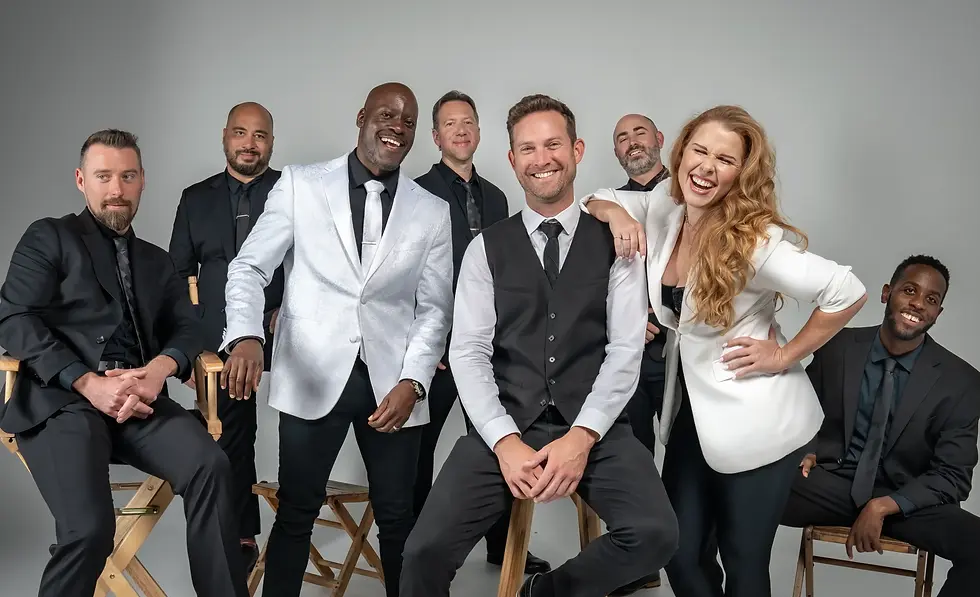
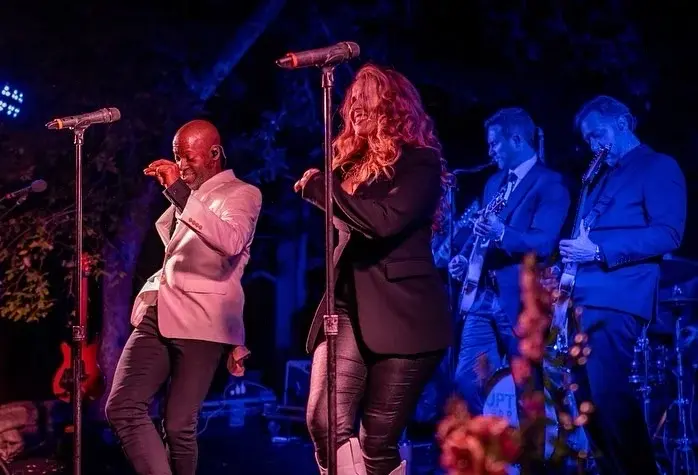
At Uptown Drive, we hear requests for genre-blending mashups more than any other format in 2026, particularly pop-R&B fusions that keep multigenerational guest lists on the floor together.
Most couples overlook the ceremony-to-cocktail-hour transition entirely, which is actually where a well-chosen song creates the strongest emotional memory.
What Is Trending for Weddings in 2026?
The dominant wedding trend for 2026 is intentional emotional curation. Couples are moving away from defaulting to whatever is charting on Spotify and instead building playlists around specific emotional moments. That shift shows up in three concrete patterns: a surge in acoustic and stripped-back arrangements over produced pop versions, a revival of early-2000s and 90s dance-floor anthems for reception sets, and a meaningful increase in non-English language songs reflecting diverse guest lists.
Genre-blending is not a buzzword here. It is the actual playlist structure couples are requesting. A typical 2026 wedding might open the reception with an emotional acoustic set, shift into 90s R&B for dinner, then close the night with a curated mix of TikTok-viral hits and classic floor-fillers. According to data from BostonCommonBand.com's 2026 Wedding Music Trends report, pop-R&B fusions and country-pop hybrids are the two fastest-growing subgenres in wedding playlists this year.
Multicultural weddings are also reshaping the request lists. Latin tracks, Afrobeats, and K-pop crossover songs are appearing in playlists that would have been exclusively English-language five years ago. Farruko's "Pepas" shows up on expert-curated 2026 reception lists, and at Uptown Drive we regularly field requests for Spanish-language sections during the reception for Texas couples with diverse family backgrounds. Texas Wedding Bands are increasingly expanding their repertoires to meet these multicultural demands. For couples exploring 8 unforgettable alternative music genres for your wedding playlist, there has never been a better year to go beyond traditional choices.
What Is the Most Popular Wedding Song Right Now?
"Ordinary" by Alex Warren is the most requested first dance song for 2026 by a meaningful margin. It appears at the top of the Topsify US Spotify playlist, which has accumulated 183,972 saves, and leads the practitioner-curated top-10 list from Aura Wedding DJs, a company that performs at over 50 weddings per year. When both crowd-sourced streaming data and professional DJ observation point to the same song, that consensus is worth paying attention to.
What makes "Ordinary" work for a first dance is its tempo and lyrical directness. It does not build to a dramatic crescendo, which means couples do not need choreography to carry the moment. The song holds emotional weight through its plainness, which is exactly the quality that makes a first dance feel personal rather than performative.
Alex Warren appears twice on the Aura 2026 top-10 list. "Save You a Seat" rounds out the pair, described by Aura as "joyful, celebratory, and brimming with commitment." For couples who want two distinct emotional registers, opening cocktail hour with "Save You a Seat" and using "Ordinary" for the first dance is a pairing that works beautifully.
Beyond Warren, the runners-up on most 2026 first dance lists include: "Until I Found You" by Stephen Sanchez (described consistently as "vintage and dreamy"), "Beautiful Things" by Benson Boone (acoustic version), and "A Thousand Years" by Christina Perri, which somehow remains a perennial presence across every year's list and 2026 is no exception. For more inspiration, explore our guide to top 12 popular wedding first dance songs for your 2026 celebration.
Which Ceremony vs. Reception Songs Work for Each Wedding Moment?
Most wedding song guides treat "first dance" and "ceremony music" as interchangeable categories. They are not, and the distinction matters more than most couples realize. Ceremony music carries legal and logistical constraints that reception music does not. Getting this wrong can cause real problems on the day.
Ceremony Songs: Processional, Vows, and Recessional
Ceremony prelude music should begin approximately 20 minutes before the processional, according to industry benchmarks from the SurefireTrio.com 2026 Live Music Comparison Guide. The optimal processional tempo sits between 60 and 70 beats per minute, matching a natural walking pace without feeling rushed or uncomfortably slow.
For processional songs, Tom Odell's "True Colours" is generating strong requests in 2026, particularly for outdoor venues where its acoustic intimacy translates well. "How Long Will I Love You" by Ellie Goulding works for shorter aisles because, as Aura Wedding DJs notes, it is "short, sweet, and filled with tender emotion." For instrumental processionals, "I Giorni" by Ludovico Einaudi remains in a category of its own. Aura describes it as "a serene piano masterpiece" and it is the only instrumental on their entire top-10 list, which tells you something about how differently couples think about ceremony versus reception music. For additional ideas, our guide to 8 timeless selections for music for processional in 2026 offers carefully curated picks. Couples who prefer classical arrangements will also find our list of 8 unforgettable wedding classical processional songs for your 2026 ceremony especially useful.
Recessional songs serve a completely different emotional purpose. You want energy and release. "Shut Up and Dance" by Walk The Moon, while primarily a reception track, crosses over well here. Classic recessionals like "Don't Stop Me Now" by Queen remain reliable choices because the tempo and mood match the emotional exhale that follows the ceremony perfectly.
Cocktail Hour: The Most Overlooked Set
Cocktail hour is consistently the most underplanned musical moment at weddings. Most couples spend weeks agonizing over first dance songs and allocate zero thought to the 45 to 75 minutes when guests transition from the ceremony. This is where a live band earns its cost. An experienced band can read a room during cocktails and calibrate the energy up or down, something a Spotify playlist cannot do.
For cocktail hour in 2026, the trend is toward a blend of jazz standards, acoustic versions of modern pop, and instrumental arrangements. You can explore the full argument for the best songs played at Texas weddings in 2026 for region-specific picks that resonate with Hill Country and Gulf Coast guest profiles specifically.
Reception Dance Floor: Songs That Actually Work
According to Aliveevents.com, which compiled its 2026 list in collaboration with professional wedding DJs, the 20 expert-approved reception songs for 2026 include: "September" by Earth Wind and Fire, "Crazy In Love" by Beyoncé, "Mr Brightside" by The Killers, "Levitating" by Dua Lipa, and "Give Me Everything" by Pitbull. The common thread is not genre. It is recognizability across age groups. Every one of those tracks lands with guests aged 25 through 65, which is why DJs keep returning to them. For even more proven picks, check out the best songs to play at a wedding reception and our guide on the best song to open the dance floor at a wedding. Our roundup of songs for wedding dance party: 12 unbeatable picks also highlights crowd-tested favorites you can build around. The 10 best wedding songs to get everyone on the dance floor in 2025 is another essential resource for planning a packed reception.
For couples who want to check whether their first dance choice fits their overall ceremony vision, the detailed breakdown in our guide to wedding walk-in music for 2026 covers processional and entrance timing in detail.

What Are the Trending Songs in 2026 for Wedding Playlists?
The 2026 trending songs for wedding playlists cluster into four distinct categories: new emotional ballads, acoustic covers of classics, nostalgia throwbacks for the reception, and electronic-adjacent crossovers for late-night sets.
Song | Artist | Best Moment | Why It Works in 2026 |
Ordinary | Alex Warren | First dance | Top of Topsify playlist, 183,972 saves; practitioner consensus pick |
Until I Found You | Stephen Sanchez | First dance / processional | Vintage tone reads as timeless; strong TikTok-to-real-world crossover |
Beautiful Things (Acoustic) | Benson Boone | First dance / cocktail hour | Acoustic version strips the arena-pop energy down to intimacy |
Die With A Smile | Lady Gaga and Bruno Mars | Reception opener | Crossover appeal; recognizable to every age group in the room |
True Colours | Tom Odell | Processional / first dance | Tender cover; personal feel; works live or as a recording |
Can't Help Falling in Love (Acoustic) | Kina Grannis | Processional / first dance | Fresh take on a classic; the acoustic version outperforms the Elvis original on 2026 lists |
A Thousand Years | Christina Perri | First dance / ceremony | Perennial presence; remains the default for couples who want emotional impact without novelty risk |
I Giorni | Ludovico Einaudi | Ceremony instrumental | Only instrumental on Aura's practitioner top-10; best for couples who want music, not lyrics, at the altar |
September | Earth Wind and Fire | Reception floor-filler | Expert-approved; triggers multigenerational floor response consistently |
Where You Are | John Summit | Late-night reception | Represents the electronic crossover trend; signals a modern late-night energy shift |
Fall In Love | Bailey Zimmerman | Reception | Country-pop crossover; strong choice for Texas weddings with mixed genre preferences |
One trend the data makes clear: acoustic and cover versions of familiar songs now outperform the originals on wedding playlists. Kina Grannis's acoustic "Can't Help Falling in Love" appears separately from the Elvis Presley version on Wedissimo's 199+ first dance list, and consistently ranks higher. Couples are choosing the arrangement that feels most suited to a ceremony's intimacy rather than defaulting to the version they grew up hearing. Our roundup of 10 unique first dance wedding songs that will wow your guests in 2026 digs deeper into standout alternatives. You can also explore popular songs for first dance at wedding: 12 timeless picks for additional options across every mood and tempo. Couples planning a Texas celebration will also find top 10 modern wedding songs for your first dance a useful companion resource.
What Is the Number 1 Song Played at Weddings?
Based on a combination of streaming playlist saves, DJ practitioner observation, and real couple data, "Ordinary" by Alex Warren holds the top position for 2026 first dances. But the honest answer to "number 1 wedding song" depends heavily on which moment of the wedding you mean.
For ceremonies, "A Thousand Years" by Christina Perri and the Kina Grannis acoustic cover of "Can't Help Falling in Love" are the two tracks that appear most consistently across practitioner lists, curated playlists, and real couple features. For reception dance floors, "September" by Earth Wind and Fire is the expert consensus pick for the song most reliably guaranteed to fill the floor regardless of guest demographics.
The Topsify "Wedding Songs 2026" Spotify playlist, with nearly 184,000 saves, also includes vintage classics alongside modern picks: Fleetwood Mac's "Everywhere" (2017 Remaster), Ben E. King's "Stand By Me", and Percy Sledge's "When a Man Loves a Woman" all feature alongside Alex Warren and Benson Boone. The presence of those classics signals that the "timeless" category is not being replaced by modern tracks. The two categories coexist in 2026 playlists more than in any previous year.
For couples planning a Texas wedding who want a regionally informed perspective on these choices, the live wedding bands guide on our site covers how song selection intersects with live performance formats, including which songs translate best from recording to live performance. Couples in Houston can also explore options with Live Wedding Bands Houston, while those in Dallas will find expert guidance through Dallas Live Wedding Bands. If you're looking for Houston Wedding Bands or Dallas Wedding Bands, our city-specific resources can help you find the right fit. Our guide on the ultimate guide to the most popular songs at wedding receptions provides additional depth on what consistently resonates with guests across every demographic.
Why Are Specific Songs Trending? The Data Behind the 2026 Picks
No competitor in this space currently explains why specific songs trend for weddings. The answer involves three intersecting forces: streaming algorithm signals, TikTok-to-real-life emotional association, and practitioner feedback loops.
Streaming Signals: The Topsify Effect
Topsify is a Spotify-owned playlist brand, which means its "Wedding Songs 2026" playlist is not independently curated. It reflects actual listener behavior: saves, skips, replays, and playlist additions by real Spotify users. The 183,972 saves on the US version represent organic validation, not editorial opinion. When "Ordinary" by Alex Warren sits at the top of that playlist, it is because a statistically significant number of people planning weddings added it to their own listening queues. That is as close to a real-time demand signal as exists in the wedding music space.
TikTok Virality and Emotional Memory
"Until I Found You" by Stephen Sanchez became a wedding staple partly through TikTok, where its "vintage and dreamy" quality resonated with a generation that uses social media to discover music with emotional weight. The pattern is consistent: songs that go viral on TikTok for emotional or nostalgic reasons cross over into wedding playlists within roughly one to two wedding planning cycles. That pipeline explains why 2026 playlists contain songs that charted heavily in 2023 and 2026 rather than songs that are currently at the top of the pop charts. For a deeper look at your ultimate playlist of 10 unforgettable songs for gay weddings in 2026, we've also covered how these same trends play out across diverse celebrations.
Practitioner Feedback: What DJs and Bands Actually Observe
Aura Wedding DJs, performing at over 50 weddings per year, represents the most reliable practitioner data source in this space because their observations are based on actual floor response, not algorithmic inference. Their inclusion of Ludovico Einaudi's "I Giorni" as the only instrumental on their top-10 list is a meaningful signal: it reflects real couple requests, not a trend invented by a music blogger. At Uptown Drive, we see a parallel pattern in our Best Of Austin Wedding Bands and Dallas Live Wedding Bands bookings. Couples who are nervous about a live first dance often gravitate toward instrumental options because they feel less exposed without lyrics to distract from the moment. Exploring 10 unforgettable instrumental processional songs for your wedding can help couples find the right wordless moment for their ceremony. Our detailed resource on top instrumental wedding processional music picks for 2025 offers even more curated options for couples who prefer a purely musical moment.
How Does Song Licensing Work at a Wedding?
Wedding music licensing is a practical question that almost no wedding song guide addresses, and it matters more than most couples realize. The answer differs depending on whether you use a DJ, a live band, or a streaming service.
Live Bands and Copyright
When a live band performs a cover song at a private event, the legal responsibility for licensing typically falls on the venue, not the band or the couple. Most established wedding venues carry blanket performance licenses from organizations like ASCAP, BMI, and SESAC, which cover live cover performances on their premises. If your venue holds those licenses, your live band can legally perform almost any song in their repertoire without additional paperwork from you.
The practical implication: always ask your venue coordinator whether they hold current performance licenses before your wedding day. A reputable live band like Uptown Drive can advise on this as part of the planning process, but the license itself is the venue's responsibility to maintain. You can review our FAQ for more details on how we handle licensing and custom song requests. For additional guidance on 10 key questions to ask wedding vendors in 2025, our detailed guide walks through everything you should cover before signing a contract.
DJ Services and Mechanical Licenses
Professional wedding DJs use licensed software and services that carry their own blanket agreements, which cover the mechanical reproduction of recordings at events. The risk here comes from couples who try to save money by streaming music directly from a personal Spotify account. Spotify's terms of service do not permit public performance of its content, which technically includes wedding receptions regardless of size. For ceremony recordings or reception playlists, using a professional DJ service or licensed live band removes this risk entirely.
What Happens with Outdoor Austin Venues
Outdoor Austin wedding venues may face noise ordinance compliance requirements that affect both volume levels and end times for live music, according to UptownDrive.com's 2026 Austin wedding guide. This affects song choices in a practical way: songs with extended instrumental buildups or high-BPM sections can push decibel levels in ways that a measured walkthrough during setup would not reveal. Working with a band that has outdoor Austin experience means this gets caught in advance, not at 10 p.m. when a neighbor calls the city. San Antonio Live Wedding Bands and Denver Wedding Bands navigate similar venue-specific considerations in their respective markets.

Should You Choose a Live Band or a DJ for 2026 Wedding Songs?
The format question is separate from the song selection question, but they are deeply connected. Not all trending 2026 songs perform equally well live versus recorded. Understanding that difference saves couples from discovering the problem on the wedding day.
Songs built around electronic production, like John Summit's "Where You Are", work best with a DJ or a live band that incorporates electronic elements. Songs built around acoustic guitar and voice, like "Ordinary" by Alex Warren or "Beautiful Things" acoustic, translate beautifully to a live band setting because the stripped arrangement is already the point. According to the SurefireTrio.com 2026 Live Music Comparison Guide, a vocal and guitar duo provides a 45% increase in sonic depth compared to a soloist, making it the more effective format for songs that rely on harmonic richness rather than bass-driven energy.
Professional wedding musicians account for 73% of premium venue bookings across Central Texas in 2026, according to UptownDrive.com's market data. The reason venues prefer live music is not purely aesthetic. Austin outdoor wedding venues see 40% fewer noise complaints from neighbors at events with live bands compared to DJ-only setups, which points to live bands' ability to calibrate dynamics in real time rather than playing at fixed output levels. Our post on wedding band vs DJ: 6 factors for 2025 planning breaks down exactly when each option makes more sense for your specific event.
For a detailed side-by-side analysis of how the same song sounds in live versus recorded formats, the wedding music alternatives guide covers eight specific formats with honest assessments of when each works best. And if you're planning a wedding in Texas or Colorado, wedding musicians in Austin can answer format-specific questions based on your venue type and guest count.
For couples exploring whether a live band is the right choice overall, the detailed breakdown at HelloPrenup's wedding music guide walks through the decision framework from a couple's planning perspective.
How Do Song BPM and Tempo Affect Your First Dance?
Tempo is the single most practical factor in first dance song selection that almost no guide discusses. If you are planning a choreographed first dance rather than a traditional slow sway, BPM matters as much as lyrics.
Songs in the 60 to 80 BPM range are ideal for slow, romantic first dances with no choreography. "Ordinary" by Alex Warren clocks in around 76 BPM, which is why it works for couples who want a waltz-adjacent slow dance without formal instruction. Songs between 90 and 110 BPM open up options for couples who want a surprise choreographed routine, the format that generates the most social media sharing among 2026 wedding guests.
"Shut Up and Dance" by Walk The Moon runs at approximately 128 BPM, which is why it works for a high-energy surprise dance but creates a breathless first experience for couples without rehearsal. If you plan to go the choreographed route, work backward from BPM: choose your range first, then find songs within it that match the emotional tone you want. A live band can adjust tempo up to 8 to 10 BPM in either direction without audibly changing the character of a song, which gives you flexibility a recorded track cannot provide. Our post on 8 unexpected first dance songs that are truly unique also highlights tempo-friendly choices across different styles.
The full guide on unforgettable bride entrance songs covers processional tempo in more specific detail, including which songs from the 2026 trending list hit the optimal 60 to 70 BPM processional range. You can also browse our Song Catalog to see which of these trending tracks are already in our live performance repertoire.
Frequently Asked Questions About Wedding Songs in 2026
What is the most requested first dance song for 2026 weddings?
"Ordinary" by Alex Warren is the most recommended first dance song for 2026, appearing at the top of the Topsify US Spotify playlist with 183,972 saves and leading the practitioner-curated list from Aura Wedding DJs, which performs at over 50 weddings per year. Its tempo (approximately 76 BPM) and lyrical directness make it versatile for couples who want emotional weight without choreography.
Are Taylor Swift songs popular at 2026 weddings?
Yes. Industry data indicates that nearly half of 2026 couples plan to include at least one Taylor Swift song somewhere in their wedding playlist. The most common placement is during cocktail hour or as a reception floor-filler rather than as a first dance song, where her output tends toward higher tempos than the traditional slow-dance range.
What reception songs consistently fill the dance floor at 2026 weddings?
According to Aliveevents.com, which compiled their 2026 reception list with professional wedding DJs, the most reliable floor-fillers include "September" by Earth Wind and Fire, "Crazy In Love" by Beyoncé, "Mr Brightside" by The Killers, and "Levitating" by Dua Lipa. These tracks share cross-generational recognizability, which is the defining factor for floor response at mixed-age weddings. For even more proven choices, our guide to 12 best songs for wedding dance floor success covers crowd-tested picks across every genre.
Do I need a music license to play songs at my wedding?
For most couples, the venue handles licensing. Established wedding venues typically hold blanket performance licenses from ASCAP, BMI, and SESAC that cover live cover performances on their premises. If you hire a professional DJ service, they use licensed software that covers mechanical reproduction of recordings. The risk arises when couples stream from a personal Spotify account, which violates Spotify's terms of service for public performance use.
How far in advance should I finalize my wedding song list?
For religious ceremonies, setlists should be submitted to officiants at least 12 weeks before the wedding. For civil ceremonies, music should be confirmed with the officiant 3 to 6 months in advance. First dance and reception song lists should be finalized with your band or DJ at least 4 to 6 weeks before the event to allow time for rehearsal of any custom requests. Our wedding songs checklist can help you stay organized throughout the planning process.
Can a live wedding band learn a song that is not in their standard repertoire?
Most established live wedding bands will learn a custom first dance song if given adequate lead time, typically 4 to 6 weeks. Wedissimo's research from real couple features confirms this as a standard industry practice. If the song involves electronic production that a band cannot replicate acoustically, a hybrid approach using a live band for most of the reception with a DJ for specific production-heavy tracks is a practical solution many couples use.
What is the difference between ceremony music and reception music for 2026 weddings?
Ceremony music serves emotional and logistical functions simultaneously: it sets the tone during the prelude (beginning approximately 20 minutes before the processional), guides the pace of the aisle walk at 60 to 70 BPM, and provides emotional punctuation at the recessional. Reception music prioritizes energy management across a 3 to 5 hour arc. The two categories require different song choices, and coupling them as a single "playlist" is the most common planning mistake couples make. Our guide on how to plan a dance wedding reception that packs the floor walks through the full reception arc in practical detail.
What Your 2026 Wedding Playlist Says About You
The wedding songs 2026 couples request tell a clear story: this generation wants music that feels personal and intentional, not generic. The dominance of acoustic arrangements, the persistence of emotional ballads like "A Thousand Years" alongside newer picks like "Ordinary," and the growing presence of non-English language tracks all point toward couples treating the playlist as a genuine expression of their relationship rather than a background soundtrack.
The practical takeaway is this: spend more time on your ceremony music than your reception playlist. The reception will take care of itself if you include two or three reliable floor-fillers and let a professional band or DJ handle the energy arc. The ceremony music, particularly the processional and first dance, is what your guests will remember in detail. Get those right. Our wedding music checklist is a practical tool for making sure no moment gets overlooked. You can also read 2025 wedding music trends for additional context on how tastes have shifted heading into this year. Couples looking to plan every detail will benefit from our ultimate wedding planning checklist for a flawless wedding day as well. Couples who want a complete picture of their reception experience will also find unique wedding reception ideas to wow your Texas celebration a helpful companion to their music planning.
Whether you're building a playlist for an intimate Austin Hill Country venue or a large Dallas ballroom, the song choices above are the strongest starting point the data supports for 2026. And if you want those songs performed live with the energy and precision that a recorded track simply cannot match, Uptown Drive's team has the repertoire, the experience, and the 250-plus five-star reviews to back that up. Couples planning corporate celebrations alongside their wedding weekend can also explore Austin Corporate Bands and Dallas Corporate Bands for rehearsal dinners, after-parties, and related events. If your event is in another Texas city, San Antonio Corporate Bands, Corporate Bands Houston, and Denver Corporate Bands are also available through Uptown Drive. For any occasion beyond weddings, our Corporate Event Entertainment team brings the same high-energy live performance quality to galas, conferences, and team celebrations. If you're curious about adding something truly interactive to your celebration, Live Band Karaoke is one of the most requested add-on experiences at 2026 wedding receptions. Couples in the Austin area can also explore Austin Wedding Bands for local options that fit every style and budget. To get a broader view of what San Antonio Wedding Bands bring to the table, our dedicated resource page covers everything from setlists to pricing.

If you want those trending 2026 wedding songs performed with the live energy that turns a good reception into a great one, Uptown Drive's Austin wedding band team can build a custom setlist around your specific choices. Reach out through the contact page to discuss your date, your venue, and which songs matter most to you.


Comments