
11 Easy Songs to Cover as a Band (2026 Performance Guide)
- Uptown Drive
- Sep 13, 2025
- 13 min read
Updated: Apr 16
The best easy songs to cover as a band combine simple chord progressions with instant audience recognition, creating moments where everyone sings along. These 11 tracks span decades and genres, each featuring straightforward structures that sound impressive without requiring months of rehearsal.
TL;DR:
Easy cover songs balance simple musical arrangements with high audience engagement potential
Most successful covers use 3-4 chord progressions with memorable hooks and sing-along choruses
Genre variety keeps diverse audiences engaged throughout your performance
Classic rock, pop standards, and country crossovers provide the strongest foundation for new bands
Timing your song selection to match venue atmosphere maximizes crowd response
Building a setlist that connects with audiences while staying within your band's technical abilities requires strategic song selection. The tracks that work best for developing bands share common characteristics: recognizable melodies, repetitive chord structures, and universal appeal that transcends age groups. For more on crafting the perfect performance, see Your Guide To Crafting The Perfect Live Band Setlist.
At Uptown Drive, we've performed these songs hundreds of times across Texas venues, watching how different audiences respond to each selection. The songs below consistently deliver the energy and participation that transforms good performances into memorable celebrations. Top Cover Bands In Texas That Get The Party Started offers a closer look at how the best ensembles build their reputations one song at a time.
What Makes a Song Easy to Cover as a Band?
Easy cover songs share three essential characteristics that make them accessible to developing musicians while maintaining professional sound quality. The chord progressions typically involve three to four basic chords, allowing guitarists to focus on rhythm and timing rather than complex fingering. The vocal melodies stay within comfortable ranges for most singers, avoiding extreme high notes or challenging vocal runs that require years of training.
The arrangement complexity remains manageable with standard instrumentation. These songs work effectively with guitar, bass, drums, and vocals without requiring keyboards, horns, or specialty instruments that many bands lack. The tempo stays moderate, giving each band member time to execute their parts cleanly without rushing through difficult passages.
Audience familiarity creates the final crucial element. Songs that generate immediate recognition produce stronger crowd responses, compensating for any minor technical imperfections. When people know every word, they're singing along instead of critiquing your performance.
Chord Progression Fundamentals
The most band-friendly songs use standard progressions like I-V-vi-IV (C-G-Am-F) or variations of the 12-bar blues format. These patterns repeat throughout entire songs, allowing musicians to master one sequence rather than learning multiple complex sections. Once you understand these basic progressions, you can adapt dozens of popular songs to your band's style. Our Song Catalog shows the breadth of material that works beautifully within these frameworks.
Which Classic Rock Songs Work Best for New Bands?
Classic rock provides the strongest foundation for band development because these songs were written for standard rock instrumentation and feature repetitive structures that audiences already know. "Bad Moon Rising" by Creedence Clearwater Revival uses just three chords (D-A-G) throughout the entire song, making it virtually impossible to get lost during performance.
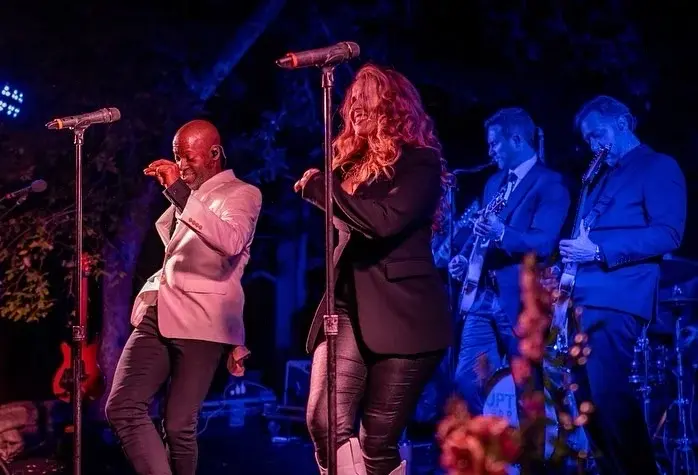
"Twist and Shout" delivers instant crowd engagement with its call-and-response structure and infectious energy. The Beatles version popularized this arrangement, but the simple chord progression (D-G-A) makes it accessible for any skill level. The song builds naturally from verse to chorus, teaching bands how to create dynamic contrast within their performance.
"Wild Thing" by The Troggs demonstrates how powerful simplicity can be. Using only three chords (A-D-E), this song focuses entirely on rhythm and attitude rather than technical complexity. The sparse arrangement leaves room for individual expression while maintaining the essential structure that makes the song recognizable. For a deeper look at songs that reliably get crowds moving, see Top 10 Great Songs To Cover In A Band That Get The Party Started.
Building Energy with Rock Standards
"Gloria" by Them provides another excellent starting point, using the same three-chord progression throughout while allowing for extended improvisation sections. This song teaches bands how to stretch arrangements and build crowd anticipation through repetition and dynamics. 9 Top Songs For Cover Bands That Get Every Crowd Dancing explores more options in this same spirit.
How Do Modern Pop Hits Translate to Live Band Performance?
Modern pop songs require careful adaptation for live band performance, but several tracks work exceptionally well when stripped down to essential elements. "Someone Like You" by Adele translates beautifully to live performance because the piano-driven original already emphasizes simple chord progressions over production complexity.
"Counting Stars" by OneRepublic combines folk-rock sensibilities with pop accessibility, using standard chord progressions (Am-C-G-F) that work well with acoustic or electric arrangements. The song's anthemic chorus encourages audience participation while remaining technically manageable for developing bands.
"Ho Hey" by The Lumineers provides a perfect bridge between folk and pop, featuring minimal chord changes and a structure built around group vocals. This song demonstrates how modern hits can work for bands when the original arrangement already emphasizes live instrumentation over studio production. If you're wondering what type of wedding music should i have, songs like these that translate effortlessly from studio to stage are often the best starting point.
Adapting Electronic Elements
Songs like "Shut Up and Dance" by Walk the Moon show how electronic-influenced pop can work for live bands when the underlying chord structure remains strong. Focus on the song's rhythmic drive and melodic hooks rather than attempting to replicate synthesizer parts with guitar effects. Austin Cover Bands consistently demonstrate this approach to great effect.
{{IMAGE: band members rehearsing in a studio space with guitars, microphones, and drums, practicing chord progressions under warm studio lighting | Musicians learning easy songs to cover as a band during rehearsal}}
What Country Crossover Songs Guarantee Audience Engagement?
Country crossover hits provide exceptional crowd-pleasing potential because they combine familiar storytelling with accessible musical arrangements. "Friends in Low Places" by Garth Brooks uses a simple chord progression (A-D-E) while delivering lyrics that encourage group singing, especially during the memorable chorus sections.
"Wagon Wheel" has become a modern standard across multiple genres, with versions by Old Crow Medicine Show and Darius Rucker both proving its universal appeal. The song uses basic open chords (G-D-Em-C) and features a structure that allows bands to extend or contract the arrangement based on audience response.
"Take Me Home, Country Roads" by John Denver transcends genre boundaries, working equally well for country, rock, or folk arrangements. The song's geographical references create instant connection with local audiences, while the simple chord progression (G-Em-C-D) ensures musical accessibility. For curated country selections that resonate with Texas crowds, explore The Ultimate 2026 Setlist 12 Picks For The Best Country Party Music.
Regional Appeal Considerations
In Texas venues, songs like "Deep in the Heart of Texas" or "London Homesick Blues" create immediate local connection. These regional favorites use standard country progressions while triggering specific audience memories and associations. The Ultimate Guide To The Best Songs For A Cover Band In Texas digs further into what works best for Lone Star crowds. Bands looking for a regional edge should also browse our Texas Wedding Bands resources for inspiration.
How Should Bands Approach Soul and R&B Standards?
Soul and R&B classics offer opportunities for bands to showcase dynamics and vocal performance while maintaining relatively simple instrumental arrangements. "Mustang Sally" by Wilson Pickett uses a 12-bar blues progression with a driving rhythm that works well for bands developing their groove and timing skills.
"Stand By Me" by Ben E. King demonstrates how powerful restraint can be in live performance. The song's chord progression (G-Em-C-D) remains constant throughout, allowing bands to focus on feel and vocal delivery rather than complex arrangements. The bass line provides the song's foundation, teaching rhythm section players how to lock together effectively.
"Lean on Me" by Bill Withers combines gospel influences with pop accessibility, featuring piano-driven arrangements that translate well to guitar-based bands. The song's message and melody encourage audience participation while providing opportunities for call-and-response sections.
Rhythm Section Development
Soul standards teach bands essential groove concepts that improve their performance of songs across all genres. The emphasis on pocket playing and rhythmic consistency developed through these songs carries over to rock, pop, and country performances.
{{IMAGE: diverse audience with hands raised singing along at a live music venue, warm stage lighting creating an energetic atmosphere | Crowd engagement during easy cover songs performance}}
Which Folk Songs Work Best for Acoustic Sets?
Folk standards provide excellent material for acoustic performances or stripped-down arrangements that highlight vocal harmonies and songcraft. "The Weight" by The Band uses a straightforward chord progression while telling a compelling story that keeps audiences engaged throughout the song's extended verses.
"Fire and Rain" by James Taylor offers opportunities for fingerpicking guitar work within an accessible chord framework (C-G-Am-F). The song's introspective lyrics work well for quieter venue moments while maintaining enough melodic interest for full-band arrangements.
"American Pie" by Don McLean provides an epic sing-along opportunity despite its length. The song's chord progression remains consistent throughout, while the lyrics offer cultural touchstones that span multiple generations. This song works particularly well as a set closer or encore piece.
Building Acoustic Arrangements
Folk adaptations teach bands how to create full arrangements with minimal instrumentation. These songs demonstrate how vocal harmonies, rhythmic guitar work, and strategic dynamics can create compelling performances without relying on volume or production complexity.
What Timing Strategies Maximize Song Impact?
Strategic song placement within your set can dramatically improve audience response and overall performance flow. Opening with immediately recognizable songs like "Brown Eyed Girl" or "Sweet Caroline" establishes connection early, while saving high-energy numbers like "Don't Stop Believin'" for peak moments when crowd energy needs boosting.
Mid-set placement works well for songs that allow for extended improvisation or showcase individual band member skills. "Mustang Sally" or "Gloria" provide opportunities to stretch arrangements and build crowd anticipation through repetition and dynamics.
Set closers should guarantee participation and create memorable endings. "Piano Man" by Billy Joel works exceptionally well as a final song because it tells a story while encouraging group singing. The song's structure allows for natural building from intimate verses to full-throated choruses. Whether you're booking Live Wedding Bands or corporate entertainment, timing your set to the event flow makes all the difference.
Reading Room Energy
Successful bands adjust their song selection based on real-time audience response. Having multiple options prepared in each category allows you to pivot when certain styles aren't connecting with particular crowds. How To Book A Band For A Party Your Guests Will Never Forget covers this topic from the client perspective as well.
How Do Arrangement Variations Keep Songs Fresh?
Simple songs provide excellent foundations for exploring different arrangement approaches while maintaining audience recognition. "Wonderwall" by Oasis works as an acoustic ballad, full-electric anthem, or stripped-down campfire sing-along, demonstrating how basic chord progressions adapt to various performance contexts.
Dynamic contrast within arrangements keeps familiar songs interesting for both performers and audiences. Starting "Hey Jude" as a quiet piano ballad before building to the epic "na na na" finale teaches bands how to create emotional journeys within individual songs.
Tempo variations offer another approach to arrangement diversity. "Hallelujah" by Leonard Cohen works effectively at various tempos, from intimate acoustic versions to building rock arrangements, showing how the same chord progression can support different emotional interpretations.
Genre-Blending Opportunities
"Ring of Fire" by Johnny Cash can become a ska number, punk anthem, or mariachi celebration while maintaining its essential melodic and harmonic structure. 8 Best Cover Songs For Bands You Should Know offers even more ideas for genre-bending your setlist. For Live Band Karaoke events, these genre-blending crowd favorites are especially powerful tools for keeping guests engaged.
{{IMAGE: band on stage performing to an engaged crowd at a wedding reception, warm golden lighting and elegant venue atmosphere | Wedding band performing easy cover songs for diverse celebration audience}}
Common Mistakes to Avoid When Learning Cover Songs
Many bands attempt to replicate studio recordings exactly, which often leads to overcomplicated arrangements that exceed their technical abilities. Instead, focus on capturing the essential elements that make each song recognizable: the main melody, basic chord progression, and rhythmic feel.
Choosing songs based solely on personal preference rather than audience appeal limits your performance effectiveness. The songs you love practicing might not generate the crowd response needed for successful live performance. Balance personal favorites with proven crowd-pleasers.
Neglecting to practice transitions between songs creates energy gaps that can lose audience attention. Smooth song-to-song flow maintains momentum and keeps crowds engaged throughout your entire performance.
Overestimating your current skill level leads to choosing songs that sound sloppy in performance. It's better to execute simple songs flawlessly than to struggle through complex arrangements. Build your repertoire gradually as your technical abilities develop.
Practice Structure Recommendations
Learn chord progressions first, then add vocals, finally incorporating any lead guitar or specialty parts. This progression ensures the song's foundation remains solid even if advanced elements need adjustment during performance. It also helps to memorize song lyrics fast and never forget them before stepping on stage.
Data and Evidence: What Makes Cover Songs Successful
Song Characteristic | Audience Response Impact | Technical Difficulty | Learning Time |
3-4 chord progressions | High recognition, immediate singing | Beginner-friendly | 1-2 rehearsals |
Moderate tempo (100-130 BPM) | Easy dancing, comfortable singing | Manageable rhythm section | 2-3 rehearsals |
Universal lyrical themes | Cross-generational appeal | Easy memorization | Immediate connection |
Repetitive structure | Predictable participation | Low error potential | Quick mastery |
Songs featuring call-and-response elements consistently generate stronger audience engagement than those with complex verses and intricate melodies. The most successful cover songs use repetition as a feature rather than a limitation, allowing audiences to participate confidently.
Tempo considerations significantly impact crowd response. Songs between 100-130 beats per minute work well for dancing while remaining comfortable for singing along. Faster tempos can energize crowds but may sacrifice vocal participation, while slower songs work well for intimate moments but may not sustain energy throughout longer sets. For proven dance floor picks, browse 10 Popular Cover Songs For Bands That Guarantee A Packed Dance Floor.
Advanced Tips for Professional-Quality Cover Performance
Developing signature arrangements sets your band apart from other performers playing the same songs. This doesn't require complex musical knowledge, just consistent approaches to elements like intro length, vocal harmonies, or instrumental breaks that audiences begin to recognize as distinctly yours.
Song medleys work particularly well for bands starting with limited repertoires. Connecting "Twist and Shout" into "La Bamba" into "Louie Louie" creates extended performance pieces while using virtually identical chord progressions throughout. These medleys demonstrate musical knowledge while keeping technical demands manageable.
Key selection impacts both your performance quality and audience comfort. Choose keys that work well for your vocalist's range while accommodating easy chord fingerings for your guitarists. Many cover songs work better in different keys than their original recordings. Investing in quality in-ear monitor systems for bands helps every member stay in tune and on tempo throughout the night.
At Uptown Drive, we've found that successful cover performance depends more on confidence and crowd connection than technical perfection. Audiences respond to energy and authenticity rather than note-for-note accuracy. The 11 songs covered in this guide provide the foundation for developing these performance skills while building repertoire that works across diverse venues and audiences. Our Corporate Event Entertainment and wedding performances consistently prove this point night after night. For events in specific markets, our Dallas Corporate Bands and Corporate Bands Houston bring this same polished repertoire to every stage.
Building Your Setlist Strategy
Create multiple versions of your setlist to accommodate different performance lengths and venue types. Having 45-minute, 90-minute, and 3-hour versions prepared allows you to accept various booking opportunities while maintaining consistent song quality throughout each performance length. From Austin Corporate Bands to Dallas Live Wedding Bands, the bands that thrive always arrive with flexible setlist options ready. Couples searching for the right fit will find our Austin Wedding Band and Wedding Musicians In Austin options particularly well-suited to this versatile approach. Best Cover Bands In Austin Texas The Ultimate 2024 List For Weddings Events is also worth a read for context on what the market expects. For bands and event planners alike, exploring 7 Best Coverband Songs Your Texas Event Needs and Top Cover Songs For Bands To Shine In 2025 Gigs rounds out your preparation.
Frequently Asked Questions
How many songs should a beginning band learn before performing live?
A solid foundation requires 15-20 songs across multiple genres to handle 45-60 minute performances comfortably. This repertoire should include fast and slow songs, different decades, and various styles to accommodate audience requests and venue atmosphere changes. Having backup songs prepared prevents awkward moments when certain selections don't connect with particular crowds.
What's the best way to learn complex songs with simple arrangements?
Focus on the song's essential elements rather than every detail from the original recording. Identify the main chord progression, basic rhythm, and vocal melody, then build your arrangement around these core components. Add complexity gradually as your band's skills develop, but prioritize solid execution of fundamental elements over attempting advanced techniques.
How do you handle song requests for unfamiliar material?
Acknowledge requests politely while redirecting to songs you know well. Phrases like "Great suggestion! We don't have that one ready tonight, but here's something in a similar style" maintains audience goodwill while keeping your performance quality high. Building a diverse repertoire reduces the frequency of requests outside your prepared material.
Should bands play cover songs exactly like the original recordings?
Capture the essential character that makes songs recognizable without slavishly copying every production detail. Audiences want to hear the melody and lyrics they remember, but they appreciate unique interpretation that shows your band's personality. Simple arrangements often work better for live performance than complex studio recreations.
How do you choose between different versions of frequently covered songs?
Select the version that best matches your instrumentation and vocal capabilities while considering which arrangement your target audience knows best. "All Along the Watchtower" works differently for Hendrix fans versus Dylan enthusiasts. Research your typical venues to understand which versions generate stronger recognition and participation.
What equipment considerations affect cover song performance?
Ensure your equipment setup can handle the dynamic range and instrumentation requirements of your chosen songs. Songs with quiet verses and loud choruses need sound systems that accommodate volume changes without feedback. Plan your equipment around your repertoire rather than choosing songs that exceed your gear capabilities. A solid stage setup for bands is just as important as choosing the right songs.
How long should bands spend learning individual cover songs?
Most easy cover songs require 2-4 rehearsal sessions for solid performance readiness, depending on band experience and song complexity. Spend additional time on arrangement details and transitions rather than perfecting every minor element. It's better to perform 10 songs confidently than struggle through 20 partially prepared selections.
Conclusion
Building a successful cover band repertoire starts with selecting songs that balance musical accessibility with proven audience appeal. The 11 easy songs to cover as a band outlined in this guide provide the foundation for developing performance skills while ensuring crowd engagement across diverse venues and audiences.
Focus on mastering simple arrangements before attempting complex productions. The most memorable performances come from confident execution of well-chosen material rather than technically impressive but shaky presentations. These songs offer the perfect starting point for bands ready to connect with audiences through the universal power of familiar music. For wedding events specifically, our San Antonio Corporate Bands and Denver Wedding Bands bring this same proven repertoire philosophy to every performance. The Ultimate List 10 Great Cover Band Songs For Your 2026 Event is another great resource for expanding your repertoire beyond this guide.
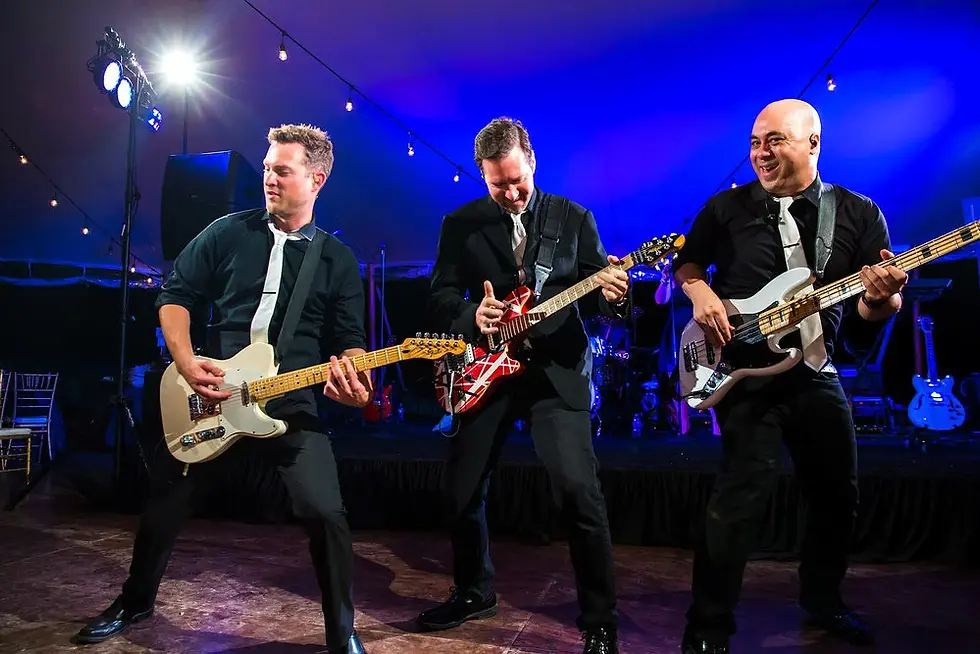
If you're planning an event that deserves professional live entertainment, Uptown Drive brings the experience and repertoire to make any celebration unforgettable. Our extensive song catalog and professional presentation ensure your guests stay engaged from the first song to the last dance. Whether you need Live Wedding Bands Houston, San Antonio Live Wedding Bands, or Denver Corporate Bands, we have the right lineup for your event. Contact us to discuss how live music can elevate your next event.


Comments