
Wedding Songs Instrumental: Live vs Recorded Performance Impact
- gregwilliams010
- Mar 23
- 12 min read
Updated: Apr 8
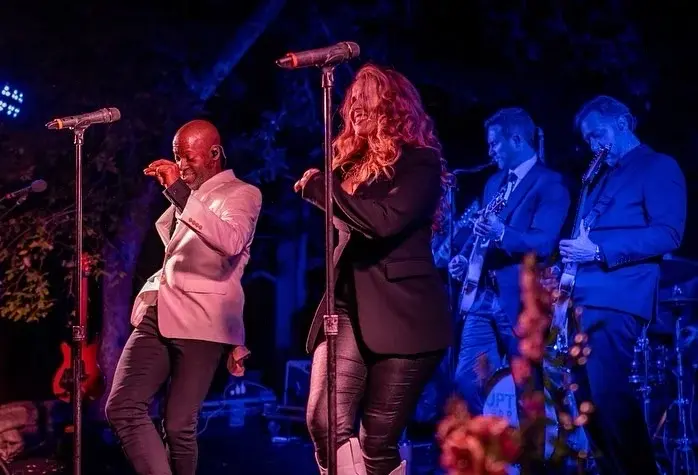
Choosing between live and recorded instrumental wedding music fundamentally changes your ceremony's emotional impact and guest experience. While recorded tracks offer predictability and lower costs, live music at wedding creates spontaneous moments, adapt to your ceremony's natural rhythm, and generate an energy that transforms passive observers into emotionally engaged participants in your celebration.
TL;DR: Key Takeaways
Live instrumental performances cost 3-5 times more than recorded music but create measurably higher emotional engagement
Classical pieces like Canon in D and Air on the G String work beautifully in both formats, while modern covers benefit significantly from live interpretation
Brooklyn Duo's Spotify playlist with 17,794 saves demonstrates the popularity of piano and cello arrangements for recorded options
Live musicians can adjust tempo and dynamics in real-time, while recorded tracks require precise ceremony timing coordination
Texas venues with acoustic challenges favor live performance adaptability over fixed audio playback systems
Hybrid approaches combining recorded prelude music with live processional performances offer budget-conscious couples premium moments
The choice between live and recorded instrumental wedding music extends far beyond budget considerations. Your decision affects everything from ceremony timing flexibility to the emotional resonance your guests will remember years later.
At Uptown Drive, after performing instrumental music at over 200 Texas weddings, we've witnessed firsthand how live performance transforms ceremony energy. While recorded tracks provide beautiful background ambiance, Live Wedding Bands read the room, adjust to your actual walking pace down the aisle, and create those unrehearsed moments of musical magic that become family stories.
Modern couples increasingly blend recorded and live elements, using streaming playlists for cocktail hour while investing in instrumental wedding songs for cinematic ceremony moments during key ceremony moments. This strategic approach maximizes emotional impact during your most important transitions while maintaining budget control throughout the celebration.
What Are the Most Popular Instrumental Wedding Songs?
The foundation of wedding instrumental music combines timeless classical compositions with contemporary song arrangements. Canon in D by Johann Pachelbel, composed in the late 17th century, remains the most requested processional piece across both recorded and live formats.
Classical staples dominate ceremony music selections. Wedding March by Felix Mendelssohn provides the traditional recessional soundtrack when newlyweds walk back down the aisle. Air on the G String by Johann Sebastian Bach, from his orchestral suite, creates elegant atmosphere during unity candle lighting or as processional prelude music.
Modern instrumental covers have gained significant popularity. A Thousand Years in piano and cello arrangement works beautifully for first dances or during marriage register signing. Contemporary hits like "Perfect," "Shallow," and "At Last" receive frequent requests for their emotional resonance when performed instrumentally. If you're exploring wedding songs instrumental options, these modern covers offer a meaningful bridge between classical tradition and contemporary taste.
Nocturne in E-Flat Major, Op. 9 No. 2 by Frédéric Chopin appears regularly in ceremony playlists, particularly for couples seeking romantic elegance during vow exchanges. Clair de Lune offers another classical option that works effectively as background music during dinner or quiet ceremony moments. To understand what type of wedding music should i have for your celebration, consider how each format serves your unique ceremony style.

How Do Live and Recorded Performances Compare in Cost?
Budget considerations create the primary decision point between live and recorded instrumental music. Recorded options range from free streaming services to professionally produced albums, while Live Wedding Bands Houston typically charge $800 to $3,000 for ceremony performances depending on ensemble size and geographic location.
Streaming platform costs remain minimal for most couples. The Brooklyn Duo playlist on Spotify requires only a premium subscription, while Apple Music's "Instrumental Songs for a Wedding" album, released June 9, 2026, with 12 songs totaling 41 minutes, costs standard album pricing under the POP genre categorization.
Dallas Live Wedding Bands in Texas markets typically charge $1,200 to $2,000 for ceremony coverage, including processional, interlude, and recessional music. Piano and violin combinations cost slightly less than piano and cello arrangements due to equipment transportation considerations.
Additional costs for live performance include sound system rentals when venues lack adequate amplification, travel expenses for destination weddings, and potential overtime charges if ceremony timing extends beyond contracted hours. Many couples find that investing in live music for the ceremony while using recorded options for cocktail hour creates an effective budget balance. For a detailed breakdown, see our guide on what is the real live wedding band cost in Texas for 2026.
Professional recorded ceremony packages, including sound system operation and seamless transitions between songs, typically cost $300 to $800 depending on venue requirements and technical complexity.
What Acoustic Considerations Affect Music Choice?
Venue acoustics dramatically influence whether live or recorded instrumental music delivers optimal results. Outdoor ceremonies present unique challenges that favor live performance adaptability over fixed audio systems.
Indoor venues with natural reverberation, such as churches or historic buildings, enhance both live and recorded music quality. However, live musicians can adjust their dynamics and positioning to work with room acoustics, while recorded tracks remain static regardless of environmental sound conditions.
Wind and ambient noise at outdoor Texas venues require sound equipment capable of handling weather variables. Live musicians can increase their playing intensity naturally, while recorded music depends entirely on sound system volume and clarity, which may create harsh amplification during windy conditions.
Echo and delay issues in large indoor spaces affect recorded music more severely than live performance. Musicians can pause and adjust their timing based on room acoustics, while recorded tracks may sound muddy or unclear in venues with significant sound reflection.
Garden and courtyard weddings benefit from live instrumental music's organic sound projection. Piano and cello combinations project effectively in outdoor settings without requiring extensive amplification that can disrupt the ceremony's intimate atmosphere.

How Does Performance Format Affect Guest Emotional Engagement?
Live instrumental performance creates measurably different emotional responses compared to recorded music playback. The visual element of watching musicians interpret your chosen songs adds layers of meaning that recorded tracks cannot provide.
Spontaneous musical moments occur exclusively during live performance. When a cellist extends a beautiful phrase or a pianist adds subtle improvisation during your processional, these unrehearsed elements create unique memories that recorded music cannot duplicate.
Guest attention patterns differ significantly between formats. Live musicians naturally draw visual focus, creating ceremony focal points that enhance photography opportunities and guest engagement. Recorded music provides background atmosphere but rarely becomes a memorable ceremony element itself.
Emotional timing proves crucial for ceremony flow. Live musicians can hold notes, slow tempo, or extend musical phrases to match your actual walking pace or accommodate ceremony adjustments. Recorded tracks maintain fixed timing that may feel rushed or sluggish depending on actual ceremony pace.
Intimate venue settings particularly benefit from live performance energy. The connection between musicians and the couple creates an emotional triangle that includes guests in the musical moment, while recorded music keeps the experience more private between couple and ceremony.
At Uptown Drive, we regularly observe how live instrumental music transforms ceremony atmosphere. Guests often comment that hearing "their song" performed live created a more meaningful experience than any recorded version could provide. Discover why live music at weddings creates unforgettable events and shapes lasting memories for every guest.
What Timing and Coordination Differences Should Couples Consider?
Ceremony timing coordination varies dramatically between live and recorded instrumental music options. Live musicians adapt to real-time ceremony flow, while recorded tracks require precise pre-planning and technical execution.
Processional timing with live musicians allows natural adjustment. If your flower girl stops to wave at grandparents or your train needs adjustment, live musicians can extend or modify their performance seamlessly. Recorded music continues regardless of ceremony interruptions, potentially creating awkward timing mismatches.
Sound system operation becomes critical with recorded music. Someone must manage track transitions, volume adjustments, and potential technical issues during your ceremony. Live musicians handle their own sound production and can communicate with wedding coordinators throughout the performance.
Rehearsal requirements differ significantly between formats. Live musicians typically attend ceremony rehearsals to coordinate timing and positioning, while recorded music requires technical sound checks and backup planning for equipment failures.
Backup planning proves more complex with recorded options. Equipment failure, power issues, or weather interference can eliminate ceremony music entirely. Denver Wedding Bands bring their own instruments and can perform acoustically if necessary, though sound quality may be reduced.
Special moment coordination, such as unity candle lighting or ring exchange emphasis, works more fluidly with live performance. Musicians can watch for ceremony cues and adjust their playing accordingly, while recorded tracks continue without regard for ceremony pacing.

Which Popular Songs Work Best in Each Format?
Song selection impacts format effectiveness differently depending on musical complexity and emotional requirements. Some pieces translate beautifully to recorded format, while others benefit significantly from live interpretation.
Classical compositions like Canon in D and Air on the G String maintain their elegance in both formats. These pieces were composed for live performance but have been recorded so extensively that high-quality versions exist across multiple streaming platforms and album collections.
Modern song covers show dramatic differences between formats. "A Thousand Years" gains emotional depth through live piano and cello interpretation that recorded versions cannot match. The subtle timing variations and dynamic expression available to live musicians enhance the song's romantic impact.
Brooklyn Duo's arrangements demonstrate how contemporary covers can work effectively in recorded format. Their playlist includes songs like "Can't Help Falling in Love," "Enchanted," and "Perfect" arranged for piano and cello, proving that modern hits can translate successfully to instrumental recordings.
Complex arrangements favor live performance where musicians can emphasize different melodic lines or adjust dynamics for ceremony moments. Simple, beautiful melodies work effectively in both formats, particularly when couples prioritize budget considerations over performance nuance.
Bridgerton music arrangements, as mentioned by Royal Dukes Band Wedding Music Guide, appeal to couples seeking modern classical fusion. These arrangements benefit from live performance where musicians can emphasize the dramatic elements that make the pieces distinctive. For more inspiration, explore 10 unforgettable instrumental processional songs for your wedding.
How Do Different Instrumental Combinations Compare?
Instrumental ensemble selection affects both format options and ceremony atmosphere. Piano and cello combinations dominate wedding instrumental music for their romantic sound and visual elegance.
Piano and violin arrangements offer brighter, more celebratory tones that work particularly well for outdoor ceremonies and upbeat processionals. These combinations record effectively but gain significant emotional impact through live performance where guests can observe the musical interaction between instruments.
Solo piano provides the most versatile recorded option, with extensive libraries available through streaming services. Live solo piano works beautifully for intimate ceremonies but may lack the dynamic range needed for larger outdoor venues without amplification. For ideas on the perfect prelude, see our guide to perfect piano music wedding ceremony ideas for your big day.
String quartet arrangements create the most formal and elegant ceremony atmosphere. While recorded options exist, the visual impact and acoustic richness of live string performance justify the higher investment for couples prioritizing ceremony sophistication.
Guitar and violin combinations offer unique sound textures that work effectively for both classical pieces and contemporary covers. These arrangements record well but benefit from live performance flexibility, particularly for couples incorporating cultural music traditions.
Harp performances provide ethereal ceremony atmosphere that translates beautifully to both formats. However, live harp performance offers visual elegance and the ability to adjust volume and tempo that recorded versions cannot match.
What Regional and Venue-Specific Factors Matter in Texas?
Texas wedding venues present unique considerations that influence instrumental music format effectiveness. Outdoor ceremony popularity in Texas markets requires careful attention to weather and acoustic factors.
Hill Country venues with natural amphitheater settings favor live instrumental performance where acoustic projection works with landscape features. Recorded music in these settings often requires extensive sound system setup that can detract from natural venue beauty.
Historic Texas venues, particularly in Austin and San Antonio, often have acoustic characteristics that enhance live musical performance. Churches, courthouses, and heritage buildings provide natural reverberation that adds richness to live instrumental music. Wedding Musicians In Austin are especially experienced navigating these distinctive spaces.
Ranch and vineyard wedding venues across Texas present acoustic challenges where recorded music may prove more practical. These open settings require significant amplification for live music, while recorded systems can be designed specifically for outdoor projection.
Urban venue noise in Dallas, Houston, and Austin markets affects both formats but impacts live performance more severely. Traffic, construction, and city ambient noise can interfere with acoustic instruments, while recorded music systems can be adjusted for environmental sound competition. San Antonio Live Wedding Bands are well-versed in managing these urban acoustic challenges.
Seasonal considerations in Texas influence format choice. Summer heat affects instrument tuning and musician comfort, while spring and fall weather conditions provide ideal environments for live outdoor performance.
How Should Couples Make the Final Decision?
The choice between live and recorded instrumental wedding music depends on balancing budget constraints, venue characteristics, and personal priorities for ceremony atmosphere.
Prioritize live performance when ceremony intimacy and unique musical moments matter most. If your budget allows and your venue supports acoustic performance, live musicians create irreplaceable emotional experiences that recorded music cannot duplicate.
Choose recorded options when budget constraints are primary concerns or when venue logistics make live performance impractical. High-quality recordings through professional sound systems can provide beautiful ceremony atmosphere at significantly lower costs.
Consider hybrid approaches for optimal value. Many couples use the Brooklyn Duo Wedding Instrumental Music Playlist for prelude and cocktail music while investing in Austin Wedding Band performers for processional and recessional moments.
Evaluate your venue's acoustic properties and technical requirements. Some locations strongly favor one format over the other based on natural sound characteristics and available infrastructure. Our guide on 8 types of the best wedding ceremony music for a perfect Texas wedding can help you match your venue to the right sound.
Factor in timing flexibility needs. If your ceremony includes cultural traditions, multiple processionals, or complex coordination requirements, live musicians provide adaptability that recorded tracks cannot offer.
Consider your guests' experience preferences. Older family members often appreciate live classical performance, while younger guests may connect more strongly with contemporary instrumental covers regardless of format. For even more creative options, browse 8 fresh ideas wedding music alternatives for an unforgettable day.
Data Analysis: Investment vs. Impact Comparison
Factor | Live Performance | Recorded Music | Hybrid Approach |
Average Cost | $1,200 - $3,000 | $300 - $800 | $800 - $1,500 |
Timing Flexibility | High - Real-time adjustment | Low - Fixed track timing | Medium - Key moments flexible |
Weather Adaptability | High - Natural adjustment | Medium - Equipment dependent | High - Format switching |
Emotional Impact | Very High - Visual and audio | Medium - Audio only | High - Premium moments live |
Technical Requirements | Low - Self-contained | High - Sound system critical | Medium - Selective amplification |
Frequently Asked Questions
What's the typical cost difference between live bands and DJs for instrumental wedding music?
Live instrumental musicians typically charge $1,200 to $3,000 for ceremony coverage, while professional DJ services with recorded instrumental music range from $300 to $800. The 3-4x cost difference reflects the personalized performance value and real-time adaptability that live musicians provide compared to recorded track playback. For a full picture of what to expect, read our guide on the cost of live band for wedding, the ultimate Texas price guide.
How far in advance should couples book live instrumental musicians?
Popular wedding instrumental musicians in Texas markets book 8-12 months in advance, particularly for peak wedding season dates from March through November. Couples should secure live musicians early in their planning process, while recorded music options can be arranged much closer to the wedding date. Use our ultimate wedding planning checklist for a flawless wedding day to stay on track with booking timelines.
Can live musicians accommodate special song requests and cultural music?
Professional wedding musicians typically offer song customization services, arranging special requests or cultural pieces for an additional fee of $50-150 per song. Recorded music provides more extensive song libraries immediately, but lacks the personal interpretation that live arrangements offer for meaningful cultural or family songs.
What happens if live musicians get sick on the wedding day?
Reputable wedding music services maintain substitute musician networks and backup plans. However, last-minute replacements may affect musical quality and familiarity with your specific arrangements. This risk factor makes recorded music more predictable, though less emotionally engaging when everything goes as planned. Review our tips on 10 key questions to ask wedding vendors in 2025 to cover contingency planning before you sign any contract.
Do instrumental wedding musicians provide their own sound equipment?
Most professional wedding musicians include basic amplification in their packages, suitable for indoor venues and intimate outdoor settings. Large outdoor venues or locations with significant ambient noise may require additional sound system rental, typically costing $200-500 extra depending on venue size and acoustic challenges.
How do venue acoustics affect instrumental music choice?
Venues with natural reverberation, such as churches or historic buildings, enhance both live and recorded music quality. However, outdoor venues with wind and ambient noise favor live musicians who can adjust their dynamics naturally, while recorded systems may require extensive amplification that can sound harsh in challenging acoustic environments.
What are the best instrumental arrangements for outdoor Texas wedding ceremonies?
Piano and cello combinations work exceptionally well for outdoor Texas ceremonies, providing rich harmonic content that projects naturally without extensive amplification. String quartets offer elegant sophistication but require more complex sound setup for larger outdoor venues, while solo piano arrangements may lack sufficient volume for expansive outdoor settings without amplification support. For a comprehensive Texas-focused overview, see the ultimate guide to live music for weddings in Texas.
Conclusion
The choice between live and recorded instrumental wedding music ultimately shapes your ceremony's emotional landscape and guest experience. While recorded options offer budget-friendly reliability, live musicians create spontaneous moments and adaptable performance that transforms ceremony energy. Texas couples increasingly embrace hybrid approaches, combining recorded prelude music with Wedding Musicians In Austin for key processional moments, achieving both budget management and premium emotional impact.
Consider your venue's acoustic properties, budget priorities, and desired level of ceremony intimacy when making this decision. The investment in instrumental performance pays dividends in emotional resonance and unforgettable musical moments that become part of your wedding story for years to come.

Planning a Texas wedding that deserves truly memorable instrumental music? Texas Wedding Bands specialists at Uptown Drive create those magical musical moments that recorded tracks simply cannot duplicate. Our experienced musicians have performed instrumental arrangements at over 200 Texas weddings, adapting to each couple's unique vision and venue requirements. Request your personalized quote to discuss how live instrumental performance can elevate your ceremony.

Comments