
What Is a Live Event Band and Why Does It Matter?

A live event band is a professional music ensemble hired to perform at a specific occasion, whether a wedding reception, corporate gala, private party, or cocktail hour. Unlike a DJ who plays recorded tracks, a live event band delivers real-time performance energy that recorded music simply cannot replicate. For any event where the atmosphere matters, that distinction is everything.
A live event band is a professional group of musicians who perform in real time at weddings, corporate events, galas, and private parties, creating an atmosphere that recorded music cannot match.
According to MarketsandMarkets, the global live entertainment market is projected to reach USD 270.29 billion by 2030, growing at a compound annual growth rate of 5.9%, reflecting sustained demand for in-person live music experiences.
Pricing for live event bands ranges widely, from roughly $450 for smaller ensembles to $10,000 or more for full-production wedding bands, based on marketplace data from WeddingWire and The Bash.
Event planners typically book a live band an average of 174 days, approximately six months, before the event date, according to booking data from The Bash platform.
The five primary live event band categories are cover bands, jazz bands, rock bands, acoustic acts, and corporate entertainment bands, each suited to different event formats and audiences.
Before signing any contract, you should ask about backup musician policies, sound equipment ownership, load-in time, power requirements, and overtime fees, details most planners overlook until it is too late.
TL;DR
A live event band is a professional music group performing in real time at weddings, corporate events, and private parties, creating energy that recorded music cannot replicate.
Global live music revenue is projected to exceed $35 billion in 2026, according to Orphiq Music Industry 2026 Trends, confirming that demand for live performance is accelerating, not declining.
Booking windows of roughly six months are standard, and early engagement dramatically improves your access to top-tier bands.
Pricing varies from a few hundred dollars for acoustic duos to $10,000 or more for full wedding production bands, depending on ensemble size, market, and event duration.
Covering logistics upfront, including stage dimensions, power supply, sound check time, and contract terms, separates a smooth event from a stressful one.
In 2026, live performance is not just a nice upgrade. It has become the defining differentiator between events people remember for years and events they forget by Monday. Post-pandemic demand for genuine in-person experiences has driven sustained growth in live music attendance across every event category. Corporate planners, couples, and private hosts have all recognized what the data confirms: real musicians on a stage create something irreplaceable.
This guide covers everything you need to understand about hiring a live event band, from the fundamental differences between band types to the logistical questions most planners never think to ask. Whether you are coordinating a 400-person corporate gala in Dallas or an intimate Austin wedding reception, the principles are the same. And at Uptown Drive, we have watched these decisions play out across hundreds of events, so the guidance here is grounded in real performance experience, not theory.

What Is a Live Event Band, Exactly?
A live event band is a professionally assembled group of musicians who perform original or cover material in real time at a private or corporate occasion. The ensemble size ranges from a two-piece acoustic duo to a fourteen-piece horn-driven production band. What distinguishes a live event band from a concert act is the purpose: the music is designed to serve the event, matching energy levels to the room, taking requests, and reading crowd response to adjust the set in real time.
According to MarketsandMarkets, music concerts are the fastest-growing application segment within the global live entertainment market, fueled by hybrid formats and high fan interaction. That same interactive dynamic is exactly what makes live event bands so effective at private occasions. A skilled band does not simply play songs. It manages energy, fills silences, introduces toasts, and transitions a room from cocktail-hour elegance to late-night dancing without a single awkward pause.
It is also worth distinguishing between three commonly confused categories. A cover band performs well-known songs from various artists without original material. A tribute band exclusively recreates the catalog of one specific act, down to the costumes and stage banter. A live event band is typically a cover-oriented ensemble specifically trained and equipped for private events, with a professional MC capability, curated setlists for different event phases, and the logistical infrastructure (sound system, staging, event coordination) that a concert tribute act would never think to provide.
If you are planning a corporate event and need versatile professionals who can move seamlessly from background jazz during dinner to high-energy dance sets afterward, a live event band is the correct hire. A tribute band is the wrong tool for that job, regardless of how talented the musicians are.
How Much Is a Live Band for an Event?
Live event band pricing ranges from approximately $450 for smaller acoustic ensembles to $10,000 or more for full wedding production bands, based on verified marketplace data from WeddingWire and The Bash. Most private event bands fall in the $2,500 to $6,500 range for a four-hour performance, depending on ensemble size, market location, and event complexity.
Specifically, The Bash platform reports that the average price to hire a live band in the Rochester, Michigan market is $850 to $900 per booking, while WeddingWire listings show bands like Mod Society starting at $10,000 and smaller ensembles like In The Blue Jazz Ensemble starting at $450. Those numbers reflect single-market snapshots. In major metropolitan markets like Austin, Dallas, Houston, and Denver, expect pricing for a full-production six-to-eight piece event band to sit comfortably between $4,000 and $8,000 for a standard reception package.
Several variables determine where your quote lands on that spectrum:
Ensemble size: A three-piece band costs significantly less than a nine-piece ensemble with a horn section. The Bluewater Kings Band, for example, offers configurations from three to fourteen pieces, with pricing that scales accordingly.
Performance duration: Most bands quote for four hours of performance time. Overtime fees, typically billed in thirty-minute increments, can add several hundred dollars if your event runs long.
Travel and accommodation: Out-of-market bands often include travel costs in their quotes. For destination events, accommodation riders and per-diem meal allowances are standard contract inclusions you should budget for.
Technical production: Some bands bring their own full sound system and engineer. Others expect the venue to provide backline equipment. Clarify this before you compare quotes, because a band charging $5,000 with full production may cost less than a $3,500 band that requires you to rent separate sound equipment.
For a straightforward cost comparison framework, see the pricing table below.
Band Type | Typical Ensemble Size | Price Range (4 hrs) | Best For |
Acoustic Duo or Trio | 2-3 pieces | $450 to $1,500 | Intimate ceremonies, cocktail hours |
Standard Cover Band | 4-6 pieces | $1,500 to $4,000 | Private parties, smaller corporate events |
Full Event Band | 6-9 pieces | $4,000 to $8,000 | Wedding receptions, corporate galas |
Premium Production Band | 10-14 pieces | $8,000 to $15,000+ | Large-scale galas, luxury weddings |
One figure worth keeping in mind: The Bash data shows planners book live bands an average of 174 days before the event. That roughly six-month window reflects real availability constraints, particularly for premium bands with limited booking slots. Waiting until twelve weeks out dramatically narrows your options in most markets.

What Types of Live Event Bands Exist and Which One Fits Your Event?
Live event bands fall into five primary categories, each suited to different event formats, venue sizes, and audience expectations. Matching the right band type to your specific occasion is the single most important decision in the hiring process. Choosing the wrong genre or ensemble format can underperform even with excellent musicians, because the problem is fit, not talent.
Cover Bands
Cover bands are the most versatile category and the most commonly hired for private events. A strong cover band can move through five decades of pop, rock, Motown, and funk within a single evening, reading crowd energy and adjusting in real time. For wedding receptions and corporate parties where your guest list spans multiple generations, a well-rehearsed cover band is almost always the right call. Bands like the Groove Knight and The AUSTIN NINES represent this format in the Texas market, with versatile repertoires built specifically for event audiences.
Jazz Bands
Jazz bands, including jazz standard ensembles, swing bands, and post-modern jukebox acts, excel at cocktail hours, dinner service, and upscale corporate galas where sophistication matters more than high-energy dancing. Classic standard repertoire, including "Fly Me to the Moon," "Autumn Leaves," and "What a Wonderful World," creates an ambient elegance that background playlists simply cannot achieve. A quartet or quintet works well for this format without requiring a large stage footprint.
Rock Bands
Classic rock, alternative, and modern rock ensembles work best for casual corporate parties, milestone birthday events, and outdoor festivals where the atmosphere is celebratory rather than formal. The key consideration is volume: a hard-rocking six-piece needs appropriate venue acoustics and advance sound engineering planning. Rock formats can alienate guests who prefer pop or R&B, so they work best when the client demographic is clearly aligned with the genre.
Acoustic Acts
Acoustic duos and trios shine in intimate settings: wedding ceremonies, small rehearsal dinners, boutique corporate luncheons, and venue spaces where a full-band setup is impractical. Blind Date in Austin is one example of an acoustic act that handles both ceremony and cocktail formats. Acoustic ensembles typically require minimal setup time and can operate in spaces where power supply or noise ordinances restrict larger productions.
Corporate Entertainment Bands
Corporate event bands are specifically designed for professional event contexts, with the versatility to perform for mixed demographics, the polish to represent a company's public image, and the reliability (backup plans, professional contracts, proper insurance) that high-stakes corporate events require. This is the specialty that Uptown Drive has built its reputation around, combining a versatile setlist spanning contemporary hits and classic favorites with the professionalism that 250-plus five-star reviews reflect. For corporate gala planning in Austin, Dallas, Houston, San Antonio, or Denver, our corporate event entertainment page outlines how that format translates into real event outcomes.
What Are the Logistics a Live Event Band Actually Requires?
The logistical requirements of a live event band are the most commonly underestimated aspect of the hiring process, and the most likely source of day-of problems when ignored. Every professional band needs clearly defined technical conditions to perform at the level you are paying for. Understanding those requirements early prevents venue conflicts, budget surprises, and the kind of frantic phone calls that ruin otherwise excellent events.
Stage and Space Requirements
A four-to-six piece band typically requires a minimum stage footprint of 16 by 12 feet. Add a horn section or additional vocalists and that requirement climbs to 20 by 16 feet or larger. Many elegant ballroom venues in Austin and Dallas were not designed with band stages in mind, and assuming the room will accommodate your preferred ensemble without checking is a frequent and expensive mistake. Always confirm stage dimensions with both the venue coordinator and the band's technical rider before signing either contract.
Power Supply
A full production event band drawing from amplifiers, monitors, a PA system, and lighting rigs can require 30 to 50 amps of dedicated power, sometimes across multiple circuits. Older historic venues, which are common choices for Austin weddings given the city's architectural character, may have electrical infrastructure that cannot support that load without advance preparation. Ask for the band's power specification sheet and share it with your venue contact before the booking is confirmed.
Load-In Time and Sound Check
Professional event bands generally need 90 minutes to two hours for equipment load-in and setup, plus an additional 30 to 45 minutes for sound check. That means if your reception begins at 6 PM and the venue has a prior event ending at 3 PM, your band's technical window is uncomfortably tight. Build load-in time into venue negotiations, not as an afterthought but as a contract requirement. A rushed sound check produces inconsistent audio quality that undermines the entire investment.
Outdoor vs. Indoor Sound Considerations
Outdoor events present a distinct set of acoustic challenges that indoor venues do not. Open-air spaces disperse sound unpredictably, particularly in Hill Country terrain where wind patterns shift throughout the evening. Outdoor live event bands need weather-resistant equipment, directional speakers configured for the specific layout, and a sound engineer who understands open-air projection. The Texas humidity also affects tuning stability for string instruments, so factor in additional tuning time if your ceremony or cocktail hour is scheduled outdoors before moving to an indoor reception.

What Questions Should You Ask Before Signing a Contract with a Live Event Band?
The questions most event planners ask before booking a live event band, such as "what genres do you play" and "how much do you charge," are the easy ones. The questions that actually protect your event investment are the ones nobody thinks to ask until something goes wrong. Covering these before you sign separates a professional engagement from a gamble.
What Is Your Backup Plan If a Musician Cannot Perform?
Illness, injury, and emergencies happen. A professional live event band should have a roster of qualified substitute musicians for every role in the ensemble. Ask specifically: do you have a confirmed substitute policy, and are those substitutes at the same professional level as your regular performers? A band that cannot answer this question confidently is not ready for high-stakes events.
Is Your Band Fully Insured?
General liability insurance is non-negotiable for professional event entertainment. Most premium venues require vendors to carry a minimum of $1 million in coverage and to list the venue as an additional insured on the certificate. Ask for a current certificate of insurance before finalizing the booking. Any band that resists this request or claims insurance is unnecessary is not operating at a professional level.
What Is Included in the Quote and What Triggers Additional Costs?
A quoted price rarely includes everything. Clarify whether overtime fees apply after a specific hour, what travel expenses or per-diem costs are included for out-of-market events, whether sound equipment and engineering are provided or expected from the venue, and what the policy is for broken equipment mid-performance. These contract details, often buried in fine print, are where budget surprises come from. You can also reference general guidance on booking a band for your event for a fuller checklist of contract considerations.
Do You Provide MC Services Between Sets?
Many live event bands include a lead vocalist who can serve as MC, handling introductions for speeches, first dances, and cake cutting without requiring a separate emcee hire. This is a significant logistical advantage. Confirm whether MC services are included, how the band coordinates timing with your planner or coordinator, and whether they work from a detailed event timeline or improvise transitions on the night.
Can You Learn Specific Songs for Our Event?
Most professional event bands can add custom songs to their repertoire with sufficient advance notice, typically four to eight weeks minimum. If a specific first dance song, entrance track, or meaningful piece matters to you, raise it early in the conversation. Some bands charge a rehearsal fee for custom material. Others include one or two custom songs in their standard package. Know before you sign, not after. For inspiration on song selection for ceremonies and receptions, the ultimate guide to wedding songs in Texas for 2026 is a practical starting point.
Why Does a Live Event Band Create Better Atmosphere Than Recorded Music?
A live event band creates atmosphere through real-time human responsiveness, which recorded music, regardless of sound quality, is structurally incapable of replicating. When a band watches a dance floor thin out during a slow ballad and pivots immediately to an upbeat crowd favorite, that decision happens in three seconds. A playlist cannot make that decision. That adaptability is why live music consistently produces stronger guest engagement and longer dancing duration than DJ sets at comparable events.
The global market data reflects this preference clearly. According to Orphiq Music Industry 2026 Trends, global live music revenue is projected to exceed $35 billion in 2026, surpassing pre-pandemic peaks and growing faster than streaming revenue, which has decelerated to single-digit annual increases. Post-pandemic audiences have demonstrated a genuine, sustained preference for in-person live experience that digital entertainment cannot satisfy. That preference is not a trend. It is a behavioral shift.
There is also a social dimension worth naming directly. A live band on stage gives guests something to look at, react to, and talk about. Musicians take requests, make eye contact, and sometimes invite guests to participate. That interaction creates shared moments that become the stories people tell about your event. A Spotify playlist, however carefully curated, does not generate those moments.
At Uptown Drive, we have performed at events where the client initially considered a DJ to save on budget, then switched to live entertainment after seeing the difference in their venue's past events. The feedback we hear most consistently is not about song selection. It is about how the room felt: energized, present, and alive in a way that surprised even guests who were skeptical about the format.
For corporate events specifically, that room energy matters beyond guest satisfaction. A well-executed live performance signals investment in the event, reflects positively on the hosting organization, and creates a more memorable experience for clients and employees alike. For guidance on unique event entertainment ideas that go beyond standard formats, the concept of live band karaoke as an interactive add-on is worth exploring for the right audience.
How Do You Choose the Right Live Event Band for Your Specific Occasion?
Choosing the right live event band means matching ensemble format, genre range, and logistical capability to your specific event type, venue constraints, and audience demographics. A band that crushed a 40th birthday party for 80 guests may be the wrong fit for a 300-person corporate gala, even if both clients loved the performance. The evaluation criteria that matter most are different for each event format.
Start With Your Guest Demographics
A guest list spanning three generations, common at both wedding receptions and large corporate parties, requires a band with genuine versatility across genres and eras. Ask potential bands specifically how they handle demographic diversity and request setlist examples from past similar events. Bands that specialize in one genre are not wrong, they are just wrong for mixed-demographic events.
Watch Verified Live Performance Video
Demo videos are useful, but live event performance video from an actual private event is the gold standard. Studio recordings do not capture how a band reads a room, handles transitions, or responds to crowd energy. Platforms like WeddingWire and The Bash both host verified reviews with performance video from real bookings. For Texas market options, bands like Blue Tongue and Plush Posse Band maintain active performance portfolios you can review before reaching out.
Verify Review Volume and Recency
Review count matters, but recency matters more. A band with 200 reviews from three years ago and nothing recent may have changed personnel or quality. Look for recent verified bookings with specific comments about performance quality, professionalism, and responsiveness during planning. On The Bash, verified booking counts provide an additional signal: a band with 168 bookings has demonstrated consistent market demand across many event types.
Match Geographic Coverage to Your Event Location
Booking a band more than two hours from your venue typically triggers travel fees, sometimes significant ones. For events in Austin, Dallas, San Antonio, Houston, or Denver, prioritizing local or regional bands reduces cost and eliminates the logistical risk of transportation delays affecting load-in schedules. Our Austin corporate bands page and Dallas corporate bands page provide market-specific resources for those planning events in those cities.
Check Technical Fit With Your Venue Before Finalizing
Before you fall in love with a particular band, share your venue's stage dimensions, power supply specifications, and load-in window with their production manager. If the fit is not there technically, no amount of musical talent resolves the problem. This step costs nothing and saves everything.
Frequently Asked Questions About Live Event Bands
How far in advance should you book a live event band?
Most professional event planners book a live band approximately six months before the event date. According to booking data from The Bash, the average lead time is 174 days. For peak dates like spring wedding weekends or December corporate holiday parties, booking eight to twelve months in advance is strongly recommended because premium bands with strong review histories fill their calendars quickly.
What is the difference between a cover band and a live event band?
A cover band is a general term for any group performing other artists' songs rather than original material. A live event band is a cover band specifically configured for private event contexts, with MC capability, structured setlists for event phases (cocktail hour, dinner, dancing), professional-grade sound equipment, and event coordination experience. All live event bands are cover bands, but not all cover bands are equipped to function as professional event entertainment.
What happens if a band member cannot perform on the day of the event?
Professional live event bands maintain rosters of qualified substitute musicians for every role in the ensemble. Before signing any contract, confirm the band's written substitution policy, ask whether substitutes perform at the same professional level, and verify that you will be notified in advance if any substitution occurs. Any professional band should have a documented backup plan, and any band that cannot provide one is a logistical risk.
Do live event bands provide their own sound equipment?
Many professional event bands bring their own PA system, monitors, and sound engineer as part of their package, but this is not universal. Some bands expect the venue or client to provide backline equipment, which adds rental cost to your budget. Always clarify equipment ownership and technical rider requirements before comparing quotes, because a band charging more may actually cost less in total when equipment rental is factored in for a lower-priced alternative.
What should a live event band contract include?
A professional live event band contract should specify performance duration and start time, overtime fee structure, travel and accommodation terms for out-of-market bands, equipment responsibilities, substitution policies, payment schedule and deposit amount, cancellation terms for both parties, and general liability insurance requirements. Contracts that omit overtime fees or substitution policies are the most common sources of day-of disputes, so review both sections carefully before signing.
Is a live event band worth the cost compared to a DJ?
For events where atmosphere and guest engagement are priorities, a live event band consistently delivers higher perceived value than a DJ at the same budget level, based on guest feedback patterns we see across corporate and wedding events. A DJ is the more budget-efficient choice for shorter events, smaller venues, or occasions where specific recorded tracks are non-negotiable. For receptions and galas where the goal is a memorable, energetic atmosphere, live music is the stronger investment for most clients.
Can a live event band perform both ceremony and reception music?
Yes. Many professional event bands offer ceremony packages alongside their reception entertainment, typically featuring a smaller acoustic configuration for the ceremony (a duo or trio) and the full ensemble for the reception. This approach simplifies coordination and ensures musical continuity throughout the event. Confirm whether the ceremony set is included in the base quote or priced separately, and share your ceremony timeline so the band can plan transition logistics accordingly.
What genres do live event bands typically perform?
Most full-service live event bands cover a wide range of genres, including pop, rock, Motown, R&B, funk, and country, with specific repertoire varying by band. Some specialize in particular styles: jazz standard bands focus on Great American Songbook material, while Latin ensembles like Son Cubano DC and Orquesta Manplesa specialize in salsa and bilingual Latin repertoire. When evaluating options, ask for a full setlist and confirm that the band's strongest genres align with your guest demographics and event atmosphere.
Making Your Live Event Band Decision Count
A live event band is one of the highest-impact entertainment decisions you make for any occasion. Get it right and your guests are still talking about the energy on the dance floor six months later. Get the logistics wrong and even exceptional musicians cannot save the night.
The framework is straightforward. Start your search at least six months out, ideally earlier for premium dates. Match the band type to your guest demographics and event format rather than defaulting to the biggest or cheapest option. Ask the contract questions that most planners skip: backup musician policies, power requirements, overtime fees, and MC services. And confirm technical fit with your venue before you fall in love with any particular ensemble.
As of 2026, the live entertainment market is the strongest it has been in the post-pandemic era, with global live music revenue projected to exceed $35 billion according to Orphiq. That growth reflects genuine, sustained audience preference for real human performance over recorded alternatives. The bands worth booking reflect it too: calendar availability at the top end of the market is tighter than it has been in years.
If you are planning a corporate gala, wedding reception, or private event in Austin, Dallas, San Antonio, Houston, or Denver, contact Uptown Drive to discuss how we match our performance format to your specific event goals. With over 250 five-star reviews across markets spanning Texas and Colorado, we have seen what works and what does not, and we are glad to help you get the details right.
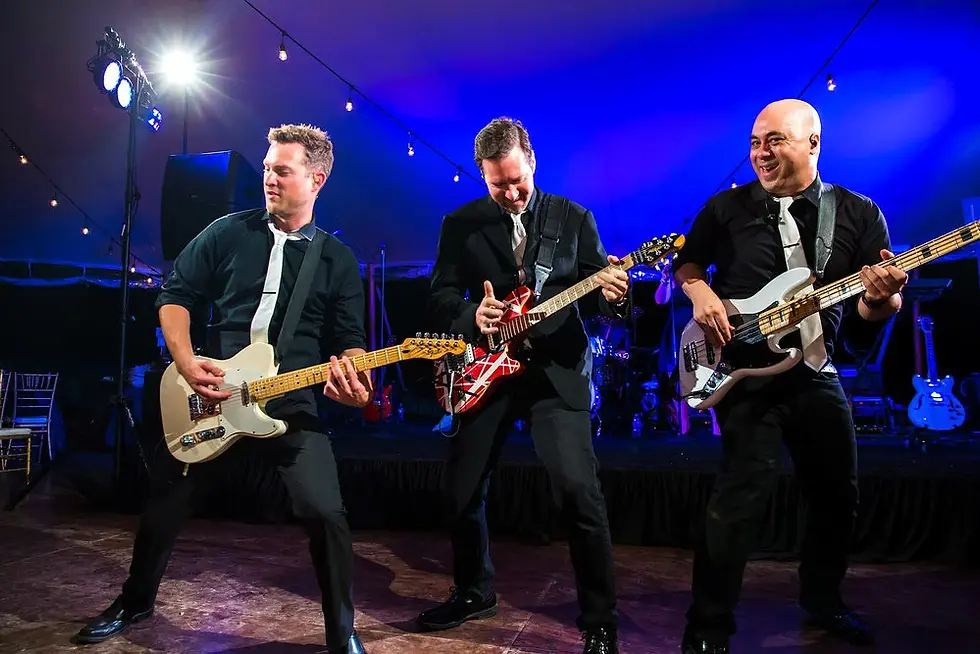
Uptown Drive's musicians bring internationally-toured professionalism to every private event, performing with the versatility to serve a room of 50 or 500. If you want to see what a seasoned live event band looks like in practice across corporate and wedding formats, our corporate event entertainment page is the right place to start. For wedding-focused planning in Texas, our live wedding bands overview covers how the format translates specifically to ceremony and reception contexts.


Comments