
Wedding Music Live Band: A Practical Walkthrough for 2026

A wedding music live band is a group of professional musicians hired to perform live at one or more segments of your wedding day, typically covering the ceremony, cocktail hour, and reception. Unlike a DJ, a live band creates music in real time, responds to the room's energy, and delivers an experience guests feel physically and emotionally. For couples who want their celebration to feel like a concert, not a playlist, a live band is the single highest-impact entertainment investment you can make.
Live wedding bands in the U.S. typically start at $1,800 for a 3-piece ensemble and can exceed $10,000 for a 10-plus-piece band with full production.
Most professional wedding bands book out 9 to 12 months in advance, especially for peak Texas wedding season (October and November).
A full-service wedding band covers all four segments of the wedding day: ceremony, cocktail hour, reception sets, and breaks with curated background music.
Matching band size and genre repertoire to your guest demographics is the single most overlooked step in the booking process.
Platforms such as WeddingWire, The Knot, and Gig Salad allow couples to compare band ratings, pricing, and song lists side by side before reaching out.
The U.S. live music market was valued at $19.7 billion in 2026, with consumer appetite for live experiences at a sustained post-pandemic high, according to event industry data.
TL;DR
A live wedding band typically costs between $1,800 and $10,750 depending on band size, market, and event length.
Book your band 9 to 12 months out; top-rated bands in Austin, Dallas, and Houston fill their calendars early for fall wedding season.
A great band covers all four wedding timeline segments, not just the reception dance floor.
Matching the band's genre strengths to your guest age range dramatically increases dance floor engagement.
Always see a band perform live or watch recent performance video before signing a contract.
Planning wedding entertainment in 2026 means navigating more options, higher expectations, and a live music market that has never been more competitive. According to Grand View Research, the U.S. wedding services market was valued at $64.93 billion in 2026 and is on a growth trajectory through 2030. Entertainment sits alongside catering and decor as one of the three core spending categories in every wedding budget. Yet most couples spend more time choosing a caterer than they do vetting their band.
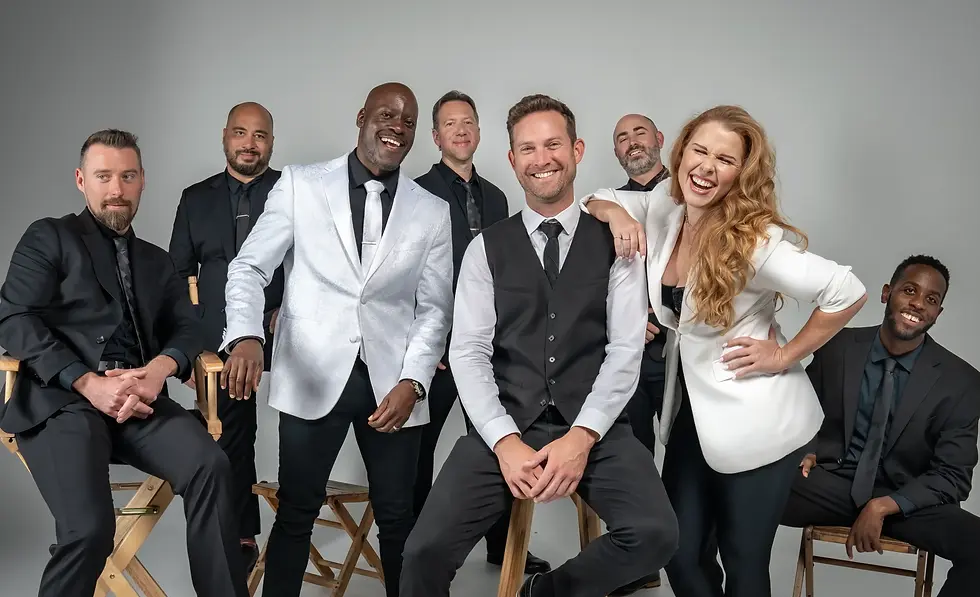
This guide fixes that. Whether you're planning an intimate Hill Country ceremony or a 300-person gala reception in Dallas, the sections below give you a concrete framework: how to evaluate bands, what to pay, how to build a wedding music timeline, and what to ask before you sign anything. At Uptown Drive, we have performed at hundreds of weddings across Austin, Dallas, Houston, San Antonio, and Denver, and everything here reflects what actually works on a live stage, not just what sounds good in a brochure.

What Is the Average Cost of a Live Wedding Band?
The average cost of a live wedding band in the U.S. ranges from roughly $1,800 to $10,000 or more, depending on band size, market, and the number of performance hours included. Based on verified pricing data from WeddingWire and The Knot listings, a 3-piece ensemble typically starts around $1,800 to $2,000, while a fully staged 10-to-14-piece band with horn section and backing vocalists can run $7,000 to $10,750 or higher in major metro markets.
For Texas markets specifically, pricing benchmarks from the verified research data show meaningful variation. The Mark Odom Band, based in the San Antonio area, starts at $1,800 and has performed at more than 100 weddings. National-caliber acts like SUAG (Suit Up And Groove) out of New York start at $10,750. The In The Blue Jazz Ensemble in Michigan starts at $450, which reflects a smaller ensemble focused on a single genre rather than full-reception coverage.
Several factors drive the final number up or down:
Band size: Each additional musician adds cost. A 5-piece band with keys, bass, drums, guitar, and lead vocals covers most genres. Add a horn section and the price rises noticeably.
Performance duration: Most contracts cover 4 to 5 hours, including setup and teardown. Additional sets cost extra.
Travel fees: Bands based in Austin may charge travel fees for weddings in the Hill Country or West Texas. Denver bands serving mountain venues often add mileage and accommodation costs.
Season and demand: October and November are peak wedding months across Texas. Bands charge full rate during those weeks and rarely offer discounts.
For budget planning, a realistic starting point for a professional, full-reception live band in Austin, Dallas, or Houston is $3,500 to $6,000. That range gets you a seasoned 5 to 7-piece group with a broad repertoire, professional sound equipment, and a dedicated band manager who coordinates with your planner.

Is a Live Band at a Wedding Worth It?
A live band at a wedding is worth the investment for couples who prioritize atmosphere, guest experience, and a reception that feels like a genuine celebration rather than a well-curated playlist. Live music creates physical energy in a room that recorded audio cannot replicate: the resonance of a real drum kit, the improvised interplay between musicians reading the crowd, the moment a vocalist locks eyes with the dance floor and pulls everyone in.
The data supports the emotional case. According to event industry statistics compiled by Kande Photo Booths, the U.S. live music market reached $19.7 billion in 2026, fueled by consumers who increasingly choose live experience over passive entertainment. That same data shows 61% of U.S. consumers attended at least one live event in the six months prior to the 2026 survey. Your guests are a live-event audience. They already know what a great live performance feels like, and they will notice when the entertainment delivers it.
That said, a live band is not the right choice for every couple. Here is an honest breakdown of when it works and when it does not:
Scenario | Live Band Advantage | Consider a DJ Instead |
Guest count over 100 | Band energy scales to the room | DJ is more cost-effective for very small receptions |
Dance floor is a priority | Real-time crowd reading fills the floor faster | DJ offers instant genre switching with no transition gaps |
Diverse guest age range | Versatile band covers multiple decades live | DJ can accommodate very specific niche requests more easily |
Budget is tight | N/A at the lowest price points | DJ typically runs $1,000 to $2,500 for a full night |
Signature songs matter | Live arrangement adds an emotional layer | DJ plays the original recording exactly as the couple knows it |
Outdoor Texas venue | Professional bands bring weather-resistant PA systems | Both options require proper sound reinforcement outdoors |
A hybrid approach works well for many couples: a live band for the ceremony and cocktail hour, then a DJ for the late-night portion when guests want rapid-fire hits at full volume. This combination captures the emotional peak of live music during the meaningful moments while giving the post-midnight crowd exactly what they want. Several live wedding bands offer coordination packages that include both a live set and a curated DJ playlist for the back half of the evening.
How Much Should You Expect to Pay for a Wedding Band?
How much you should expect to pay for a wedding band depends primarily on three variables: the number of musicians, the total performance time, and the geographic market. As a working benchmark, couples in Texas should budget $3,500 to $7,000 for a professional 5-to-7-piece band covering cocktail hour and reception. The lower end reflects smaller ensembles or newer groups building their portfolio; the upper end reflects established acts with high review counts, a robust song catalog, and reliable production equipment.
Here is a practical tier breakdown based on verified pricing from WeddingWire and The Knot listings:
Band Tier | Typical Size | Starting Price Range | Best For |
Boutique / Acoustic | 2 to 3 pieces | $450 to $2,000 | Ceremony, cocktail hour, intimate receptions |
Mid-Size Production | 4 to 6 pieces | $2,000 to $5,500 | Full reception, moderate guest counts (75 to 150) |
Full Production | 7 to 10 pieces | $5,500 to $8,500 | Large receptions, ballroom venues, 150 plus guests |
Premium / Showcase | 10 to 14 pieces | $8,500 to $10,750+ | Luxury galas, destination weddings, high-production events |
Beyond the base price, watch for these line items in your contract:
Sound and lighting packages: Some bands include full PA systems; others charge separately. Always confirm who supplies the speakers and monitors.
Travel and accommodation: For venues more than 60 miles from the band's base city, expect travel fees. Denver and Hill Country venues regularly trigger this clause.
Overtime rates: Know the per-hour overage cost before the event. A reception that runs 30 minutes long can add a full overtime charge.
Deposit structure: Most professional bands require 25% to 50% at signing, with the balance due two weeks before the event.
If you are comparing a live band to a DJ on pure cost, be honest about what you are comparing. A DJ playing recorded music at $1,500 is not the same experience as a 6-piece band at $5,000. The question is not which is cheaper but which delivers the atmosphere you are paying for.
What Is the Number One Song Played at Weddings?
The most-requested first dance song at U.S. weddings in recent years has consistently been "Perfect" by Ed Sheeran, though the list of top ceremony and reception songs shifts slightly each wedding season. For 2026, couples are also requesting "Can't Help Falling in Love" (Elvis Presley), "A Thousand Years" (Christina Perri), and "Thinking Out Loud" (Ed Sheeran) for ceremony processionals, while Beyonce's "Crazy in Love" and Bruno Mars's "Uptown Funk" dominate reception dance sets.
For Texas weddings specifically, country music holds a strong place in the song list. Chris Stapleton's "Tennessee Whiskey" is a common slow-dance request, and Zac Brown Band's catalog regularly appears during cocktail hour. A versatile wedding band should be able to move from Canon in D during the processional to a Stevie Wonder funk set during the reception without any drop in energy or musicianship. For a deeper look at what is topping Texas wedding playlists right now, the ultimate guide to the best songs played at weddings in Texas for 2026 covers the full picture by segment.
When building your song list, think in four categories:
Ceremony processional: Typically 2 to 3 songs covering the seating of family, wedding party entrance, and bride's entrance.
Ceremony recessional: 1 song, often upbeat to signal the celebration beginning.
Cocktail hour: 8 to 12 songs at moderate energy; jazz, acoustic pop, or light funk works well here.
Reception: 20 to 30 songs across 2 to 3 sets, including first dance, parent dances, cake cutting, and open dancing.
A professional band will guide you through this list during a pre-event consultation. If yours does not offer that session, that is a red flag worth noting.

How Do You Match Your Live Band to Your Guest Demographics?
Matching your wedding music live band to your guest demographics means selecting a band whose primary genre strengths align with the age range, regional background, and musical taste of the majority of your audience, not just the couple's personal favorites. This is the single most overlooked decision in the entire booking process, and it has a direct impact on how full your dance floor stays throughout the night.
Start with a rough age breakdown of your guest list. A reception where 60% of guests are over 55 will respond differently to a set list than one where 70% of guests are between 25 and 40. Here is a practical framework:
Dominant Guest Age Range | Strong Genre Choices | Avoid |
25 to 40 (Millennial-heavy) | 2000s pop, funk, R&B, indie rock, throwback hip-hop | Heavy country, big band only |
40 to 60 (Gen X-heavy) | Classic rock, Motown, 80s pop, early R&B | Current pop-only, niche genres |
Mixed (25 to 65) | Multi-decade variety band covering five-plus genres | Genre-specialist acts (jazz only, country only) |
Texas-heavy guest list | Country, Texas blues, classic rock, Tejano influences | Coastal pop-only acts unfamiliar with country arrangements |
Regional background matters too. A wedding in San Antonio with a large multigenerational Hispanic family often benefits from a band that can weave in cumbia or Latin pop alongside the standard pop and rock set. For a destination wedding in Denver drawing guests from multiple states, a variety-focused band with a 4-to-6-genre catalog is far safer than a specialist act.
At Uptown Drive, we have seen firsthand how a mismatched set list empties a dance floor within the first 20 minutes of a reception. The fix is simple: share your guest list age breakdown and regional background with your band during the initial consultation and ask them directly which of your song requests fall outside their comfort zone. A professional band will tell you honestly. An amateur one will promise everything and deliver something else.
You can explore more song strategy in our guide to wedding walk-in music for 2026, which covers entrance song selection by guest demographic and venue type.
What Does a Step-by-Step Wedding Band Booking Process Look Like?
Booking a wedding music live band involves six distinct steps, from initial research through contract execution, and most couples benefit from starting earlier than they think necessary. In competitive markets like Austin, Dallas, and Houston, top-rated bands fill their prime fall dates by December of the prior year for the following October. Starting 12 months out is not excessive; it is standard practice for a good reason.
Here is the practical sequence:
Set your budget range before you research bands. Know your floor and ceiling. The difference between a $2,500 band and a $6,000 band is not just price; it is band size, equipment quality, experience level, and what happens if a musician cancels the day before your wedding.
Search verified platforms first. Start with WeddingWire, The Knot, and Gig Salad. Filter by location, starting price, genre, and wedding segment coverage (ceremony, cocktail, reception). These platforms aggregate verified reviews and standardized data fields that make comparison straightforward.
Watch live performance video, not studio recordings. Any band can sound polished in a studio. You want to see how they perform under live conditions: do they read the room, do they have consistent energy through the set, and does the vocalist hold their pitch without studio correction? Look for recent performance footage at actual weddings, not rehearsal clips.
Attend a live showcase if one is available. Several well-regarded bands hold public showcases at local music venues where you can see the full band in a real performance setting before committing. For example, The Jazz Kitchen in Indianapolis and Fretboard Brewing in Cincinnati have both hosted Bluewater Kings Band showcase events. When a band near you offers this, take the evening and go. It removes all guesswork.
Request a consultation call and come prepared. Ask these specific questions: How many of your original members will perform at my event? What is your backup plan if a musician is unavailable? Do you carry liability insurance? What are your electrical and stage size requirements? How far in advance do you need to arrive for setup? A band that cannot answer these clearly is not yet operating at a professional level.
Review the contract line by line. A professional contract covers: exact set times and break structure, overtime rates, travel and accommodation terms, cancellation and force majeure clauses, equipment responsibility, and the substitution policy for individual musicians. Never sign a contract that lacks a substitution policy. Bands with 250-plus five-star reviews, like Uptown Drive, have these documents ready and will walk you through every clause.
For more on what makes a booking experience smooth from the couple's perspective, the guide to booking a band your guests will never forget covers the full pre-event coordination process in practical detail.
How Do You Build a Complete Wedding Music Timeline?
A wedding music timeline is a structured schedule that assigns specific music to each segment of the wedding day, from the processional through the last dance, ensuring a live band performs the right material at the right moment without dead air or awkward transitions. Building this timeline in collaboration with your band leader and wedding coordinator is one of the most practical steps couples skip, and it shows on the day of the event.
Here is a realistic song-count framework for a standard 5-hour wedding with ceremony and reception:
Wedding Segment | Typical Duration | Songs Needed | Recommended Energy Level |
Guest seating / prelude | 20 to 30 min | 5 to 7 songs | Soft, ambient, acoustic |
Wedding party processional | 5 to 8 min | 1 to 2 songs | Moderate, stately |
Bride's entrance | 2 to 3 min | 1 song | Emotionally significant, slow build |
Recessional | 3 to 4 min | 1 song | Upbeat, celebratory |
Cocktail hour | 60 to 75 min | 12 to 15 songs | Conversational background to moderate |
Reception entrance / introductions | 5 min | 1 song | High energy, hype |
First dance | 3 to 4 min | 1 song | Intimate, spotlight |
Parent dances | 6 to 8 min | 1 to 2 songs | Warm, sentimental |
Cake cutting | 5 to 8 min | 1 song | Fun, light |
Open dancing (2 to 3 sets) | 90 to 120 min | 20 to 30 songs | Building high energy, crowd-responsive |
Last dance / send-off | 3 to 5 min | 1 song | Memorable, crowd unifying |
The open dancing sets are where a live band earns its fee. A professional band structures these sets with intentional energy arcs: a strong opener to pull people onto the floor, a mid-set slower song to let the room breathe, then a hard push back to peak energy for the final 20 minutes. Bands that simply play a random mix without arc management lose the room by 10 PM.
Your band leader should also know the DJ timeline if you are using a hybrid approach. Coordinate the handoff time explicitly so there is no gap between the last live set and the DJ's first track. Five minutes of silence at 10:30 PM kills momentum that took 90 minutes to build.
For ceremony music specifically, the guide to unforgettable bride entrance wedding songs covers the most emotionally resonant choices and the practical timing considerations for live performance of each one.
What Are the Sound System and Logistics Requirements for a Live Wedding Band?
Sound system and logistics requirements for a live wedding band refer to the technical infrastructure needed to support amplified live performance at a wedding venue, including stage dimensions, electrical capacity, setup time, and coordination with the venue's existing AV equipment. Ignoring these details is one of the most common and expensive mistakes couples make when booking live entertainment.
Here is what you need to confirm before you sign a contract with any band:
Stage dimensions: A 5-piece band with full drum kit typically needs a minimum footprint of 16 feet wide by 12 feet deep. A 7-to-8-piece band with a horn section needs 20 by 16 feet at minimum. Many historic Texas wedding venues, particularly converted barns and estate properties, have limited stage areas. Confirm the venue's maximum stage footprint before you commit to a band size.
Electrical requirements: A full live band with PA system, monitors, and stage lighting typically draws 20 to 30 amps of dedicated power across two to three circuits. Some outdoor Texas venues and older ballrooms have limited panel capacity. Ask your venue coordinator for the available amperage at the designated performance area.
Setup and teardown time: A professional band needs 2 to 3 hours for load-in, setup, and soundcheck before your first guest arrives. Build this into your venue rental timeline. A band that shows up 90 minutes before the ceremony is going to produce a compromised sound experience.
Outdoor venue considerations: Hill Country winds, heat, and humidity are real factors for outdoor Texas weddings. Ask specifically whether the band's PA system is rated for outdoor use, whether they carry weather contingency equipment, and what the cancellation protocol is for severe weather. Professional bands operating in Austin and San Antonio have dealt with all of these scenarios repeatedly.
Venue noise restrictions: Many Texas wedding venues, particularly those near residential areas or inside city limits, have sound ordinances that restrict amplified music after a certain hour (commonly 10 PM or 11 PM). Confirm the venue's specific noise ordinance before building your reception timeline.
If your venue has an in-house AV system, ask whether the band can integrate with it or whether they prefer to run their own independent PA. Most professional bands bring their own equipment and sound engineer for quality control, which is the right call. Venue house systems are designed for speeches and background music, not for a 7-piece live band playing at reception volume.
Couples planning a wedding with musicians in Austin should pay particular attention to outdoor venue logistics. The city's Hill Country venues are beautiful but technically demanding, and the bands that perform there regularly have solutions the newcomers do not.
Which Texas and Colorado Wedding Bands Should You Know About?
Several professional wedding bands operate across the Texas and Colorado markets, each with distinct strengths worth understanding before you start making calls. The goal here is not to rank them but to give you concrete reference points for comparison.
In the Texas market, Groove Knight is a well-established act with strong local presence. The AUSTIN NINES focuses on the Austin market with a reputation for high-energy reception performances. Blind Date is an Austin-based act worth researching if you want a high-energy variety set. People's Choice Band has a following in Texas for multi-genre corporate and wedding events. Blue Tongue and Plush Posse Band round out the regional options with dedicated wedding performance experience.
For couples exploring the Austin market in detail, the best of Austin wedding bands roundup covers the local landscape with specificity. For Dallas, the Dallas live wedding bands page covers that market's top options. Houston couples should start with the live wedding bands Houston resource for market-specific context.
Uptown Drive serves all five of these markets, with experience performing at venues ranging from intimate Austin Hill Country estates to full-production Dallas ballrooms. With over 250 five-star reviews and a band roster that has performed on international stages, the approach is different from a local cover band that plays weddings on weekends. The pre-event consultation process, the custom song requests, the coordination with your planner, and the backup musician policy are all built into the standard service model, not add-ons.
If you are planning a Texas wedding and want a professional consultation, the live wedding bands page is the right starting point. For Denver weddings, the Denver wedding bands resource covers that market's specific venue landscape and logistics considerations.
Frequently Asked Questions About Hiring a Wedding Music Live Band
How far in advance should I book a live band for my wedding?
You should book a live wedding band at least 9 to 12 months before your wedding date, particularly for peak season weekends in October and November across Texas markets. Top-rated bands in Austin, Dallas, and Houston fill their fall calendars by January of the same year. If your wedding is on a holiday weekend or at a high-demand venue, start the search 12 to 14 months out. The best bands do not hold dates without a signed contract and deposit.
What is the difference between hiring a live band and a DJ for a wedding?
A live band creates music in real time through live performance, which generates physical energy and emotional resonance that recorded audio cannot replicate. A DJ plays pre-recorded tracks and can switch genres instantly, offer a broader catalog of specific recordings, and typically costs significantly less. Live bands start at roughly $1,800 and can exceed $10,000; DJs typically run $1,000 to $2,500 for a comparable event. Many couples use a hybrid approach: a live band for ceremony and reception, a DJ for late-night. If you want a deeper look at what type of wedding music you should have, that resource covers the full comparison with additional context.
Can a live wedding band perform both the ceremony and reception?
Yes, most professional wedding bands can cover all four segments of the wedding day: ceremony, cocktail hour, reception sets, and break music. However, the band's setup and configuration may differ between ceremony and reception. Many bands use a smaller acoustic sub-ensemble (duo or trio) for the ceremony and cocktail hour, then bring the full group in for the reception. Confirm this specifically when reviewing your contract, and ensure the setup time between ceremony and reception is built into the venue schedule.
What should a wedding band contract include?
A professional wedding band contract should include: the exact performance date, venue, and address; specific set times and break structure; total performance duration and overtime rates; travel and accommodation terms if applicable; equipment and sound system responsibilities; the cancellation and rescheduling policy; force majeure clauses; the substitution policy for individual band members; and the deposit schedule with final payment deadline. Any contract that lacks a musician substitution policy is a significant red flag, because illness and emergencies happen, and you need to know in writing what the band will do about it.
How do I know if a wedding band is actually good before booking?
Watch recent live performance video from actual wedding events, not studio recordings or rehearsal clips. If the band holds public showcase performances at local venues, attend one. Read verified reviews on WeddingWire, The Knot, or Gig Salad, paying attention to whether reviewers specifically mention the dance floor staying full and the band responding well to the crowd. During your consultation call, ask the band leader to describe how they handle a moment when the dance floor empties. The answer tells you everything about their experience level.
What questions should I ask a wedding band during the initial consultation?
Ask these seven questions: How many of your performing members are original, permanent band members? What is your specific backup plan if a musician is unavailable on the day? Do you carry event liability insurance? What are your exact electrical and stage size requirements? How much time do you need for setup and soundcheck? What is your process for custom song requests? And: have you performed at my specific venue before, and if not, will you do a site visit? Bands that hesitate or give vague answers to any of these are telling you something important about their operational maturity.
Are there specific wedding band booking platforms I should use?
The most widely used platforms for finding and vetting live wedding bands are WeddingWire, The Knot, and Gig Salad. Each aggregates verified reviews, pricing, and band details in a standardized format that makes comparison efficient. The Bash (formerly GigMasters) is another established option. These platforms allow you to filter by geographic market, starting price, genre specialty, and which wedding segments the band covers. Review counts and average ratings across multiple platforms are a stronger signal of quality than a high rating on a single site.
Can I request specific songs that are not in the band's standard repertoire?
Most professional wedding bands accommodate custom song requests for key moments such as the first dance, bride's entrance, and father-daughter dance, provided you submit the request with adequate lead time, typically 4 to 8 weeks before the event. Learning a new arrangement requires rehearsal time, and some bands charge a small fee for songs outside their catalog. Be realistic about complexity: a band that is primarily a funk-soul act can learn a specific country first dance song, but it may not sound the same as a band that plays country every weekend. Match the request to the band's natural strength zone wherever possible.
What Are the Key Takeaways for Hiring a Wedding Music Live Band in 2026?
Hiring a wedding music live band in 2026 rewards couples who start early, ask specific questions, and match their entertainment choice to the actual audience in the room. The U.S. wedding services market continues growing, with the average couple spending $32,899 on their celebration according to Grand View Research data. Entertainment is one of the three highest-impact budget categories, and a live band at the right price point delivers a return on that investment that a playlist cannot.
The practical summary: budget $3,500 to $6,000 for a professional 5-to-7-piece band in Texas markets. Book 9 to 12 months out. Watch live performance video before you commit. Review the contract for musician substitution policies, overtime rates, and electrical requirements. Build your wedding music timeline with your band leader and coordinator together, assigning specific songs to each segment so the day has a clear emotional arc.
Skip the bands that cannot tell you their backup plan for a sick musician. Skip the contracts that do not specify stage size requirements. And if a band promises they can play literally any genre with equal skill, ask them to prove it in a live showcase or recent video before you believe it.
The right wedding band does not just fill a dance floor. It creates the atmosphere people talk about for years afterward. That is worth getting right.

If you are planning a wedding in Austin, Dallas, Houston, San Antonio, or Denver and want live entertainment that your guests will actually talk about, Uptown Drive's live wedding bands bring over 250 five-star reviews, internationally-toured musicians, and a pre-event consultation process designed to make your planning as stress-free as the performance itself. Request a customized quote and let us handle the soundtrack while you focus on the celebration.


Comments