
Party Cover Bands: Your Complete Seasonal Hiring Guide for 2026
- gregwilliams010
- May 11
- 15 min read
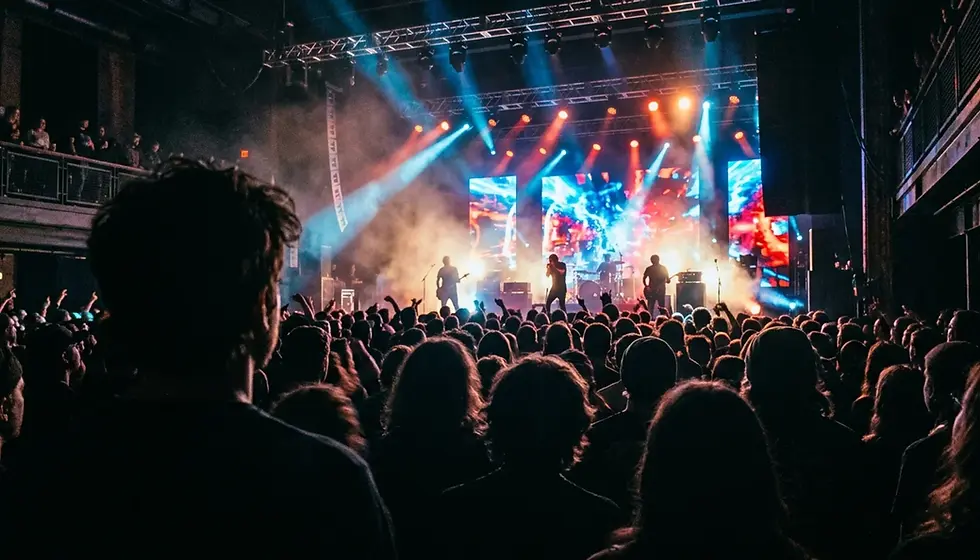
Party cover bands are professional musical groups that perform popular songs originally recorded by other artists, spanning multiple genres and decades to keep diverse crowds engaged throughout a single event. Unlike tribute acts that recreate one specific artist's catalog, a cover band builds a setlist from dozens of artists, making them the most versatile live entertainment option for weddings, corporate galas, private parties, and festivals in 2026.
Party cover bands typically cost between $500 and $15,000 depending on band size, market, and event type, with local acts averaging around $500 to $1,500 for a two-hour set.
Events with audience-driven setlists see 61% dance floor participation compared to 23% for pre-set playlists, according to corporate entertainment trend data from urequest.live.
Event planners are now allocating 20 to 30% of total event budgets to entertainment and production in 2026, up from 15 to 20% in previous years.
Booking a cover band 6 to 12 months in advance is strongly recommended for peak seasons; data from other management companies shows party planners typically book approximately 118 days out.
Red flags when hiring include: no video reel, vague contracts, no proof of insurance, and inability to answer questions about set structure or equipment.
Tribute bands and cover bands serve different functions: cover bands are the right choice when you want broad appeal across a mixed-age crowd.
What Exactly Are Party Cover Bands, and Why Do They Work So Well?
A party cover band is a live musical ensemble that performs recognizable songs from a wide range of artists, genres, and eras rather than original compositions. The core value is immediate familiarity: guests hear songs they already love, performed live with the energy and spontaneity that a playlist simply cannot replicate. According to data cited by the TSE Entertainment Blog, the U.S. live music market reached $18.51 billion in 2026, reflecting sustained consumer appetite for live performance experiences.
Cover bands work for events because they function as social catalysts. When a band launches into a recognizable chorus, strangers start talking, couples move to the dance floor, and the event's energy shifts. That transition cannot be programmed into a Spotify queue. It requires musicians reading the room in real time, adjusting tempo, cutting a song short when the crowd stalls, or extending a hit when the floor is packed.
At Uptown Drive, we see this dynamic play out at corporate events and weddings alike across Austin, Dallas, Houston, San Antonio, and Denver. The bands that consistently generate the best guest feedback are not necessarily the ones with the most impressive technical credentials. They are the ones that treat setlist curation as a conversation with the audience rather than a performance to deliver at the crowd.
For a deeper look at how live entertainment shapes event atmosphere, our 10 Unique Event Entertainment Ideas to Wow Your Guests covers the broader spectrum of options worth considering alongside a cover band.

How Much Does It Cost to Rent a Band for a Party?
Hiring a party cover band for a private event typically costs between $500 and $15,000 depending on band size, geographic market, event length, and production requirements. Local acts performing two-hour sets at private parties generally fall in the $500 to $1,500 range. Mid-tier professional bands with full production packages, multiple vocalists, and extensive repertoires typically quote $3,000 to $8,000. Premium acts with touring credentials, horn sections, and background dancers can command $10,000 to $15,000 or more as a flat guarantee.
Platform data from other management companies shows the average cost to hire a cover band in the Boulder, Colorado market sits around $1,308, with response times from bands averaging under ten hours after an inquiry is submitted. That figure reflects a mid-sized regional market; Texas metros like Austin and Dallas will yield different price points based on local supply and demand. Festival bookings carry a separate cost structure entirely, typically ranging from $2,500 to $50,000 based on audience size, production complexity, and the band's regional draw.
Several variables push costs up or down. Band size matters most: a duo or trio costs significantly less than an eight-piece band with a horn section. Production inclusion matters too. A band that brings its own PA system, monitors, and lighting rig is worth a premium over one that requires you to rent backline separately. Always ask whether the quoted price includes sound equipment, a sound engineer, and setup and breakdown time.
Here is a practical cost reference for different band configurations:
Band Configuration | Typical Price Range | Best For |
Duo or Trio (acoustic) | $350 to $1,200 per event | Cocktail hours, intimate private parties, small corporate gatherings |
Four to Five Piece Band | $1,500 to $5,000 per event | Weddings, mid-size corporate events, private venue bookings |
Six to Eight Piece Band | $4,000 to $10,000 per event | Galas, large corporate events, upscale weddings |
Full Production Act (8 to 12 pieces with dancers) | $8,000 to $15,000+ | Large-scale galas, festivals, premium brand events |
According to data from urequest.live, event planners in 2026 are allocating 20 to 30% of total event budgets to entertainment and production, a notable increase from the 15 to 20% range of previous years. If your total event budget is $30,000, that benchmark suggests $6,000 to $9,000 is a reasonable entertainment allocation for a high-quality live band experience.
What Are the Most Popular Cover Band Songs, and How Do Bands Build a Setlist?
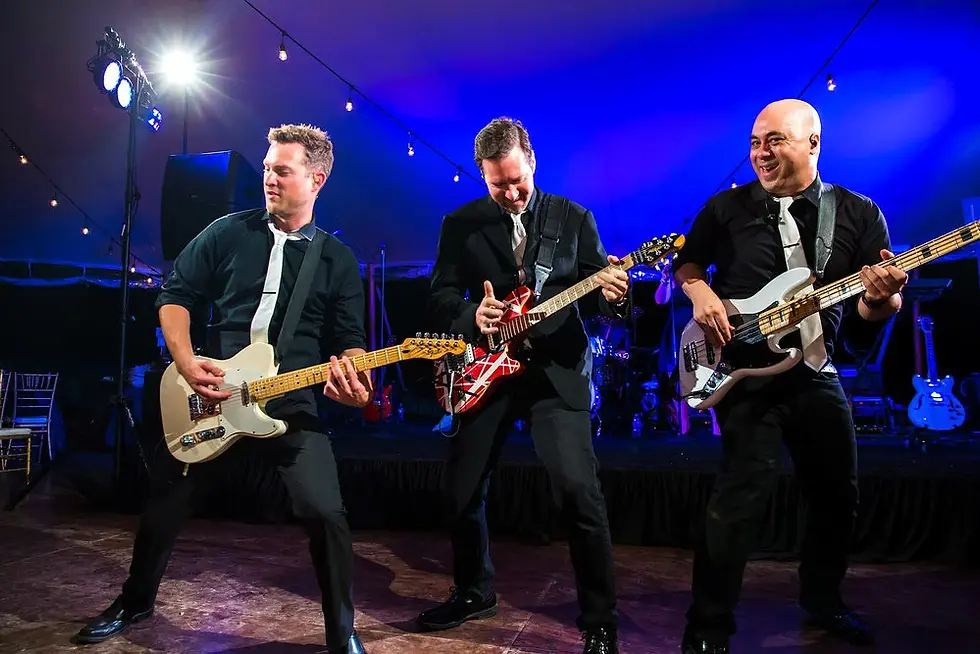
The most popular party cover band songs are those that trigger immediate recognition across multiple generations simultaneously. Songs like "Don't Stop Believin'" by Journey, "Uptown Funk" by Bruno Mars, "Sweet Caroline" by Neil Diamond, "September" by Earth Wind and Fire, and "Mr. Brightside" by The Killers appear on professional cover band setlists with remarkable consistency because they produce the highest rates of guest participation regardless of age group or event type.
Professional cover bands approach setlist construction as a pacing problem, not a song-selection problem. The goal is managing energy across a two to four hour event arc. A strong opening set establishes momentum with familiar, mid-tempo crowd-pleasers. The middle of the night is where the band experiments with deeper cuts or genre pivots. The closing set returns to peak-energy anthems designed to send guests home with adrenaline still running.
Genre breadth separates good cover bands from exceptional ones. The best acts move fluidly between Motown, 80s rock, 90s pop, current chart hits, and country depending on the audience. Some bands also incorporate decades-spanning sets deliberately: from Frank Sinatra-era swing to Bruno Mars in a single evening. That range is what allows a single act to satisfy a room where the oldest guest is 75 and the youngest is 22.
Nostalgia is not a gimmick. According to research cited in TSE Entertainment Blog data, nearly 70% of Gen Z consumers respond positively to throwback content even for eras they did not live through, and 61% of Millennials report that nostalgia improves their perception of an experience and drives their engagement. A skilled cover band weaponizes this effect by stacking nostalgic hits at peak energy moments in the night.
If you want guidance on specific songs that generate maximum floor engagement at Texas events, the Ultimate Guide to the Best Songs Played at Weddings in Texas for 2026 breaks down the specific tracks that consistently land well across the state's diverse event markets.
What Are Some Popular Types of Party Cover Bands, and Which Format Fits Your Event?
Party cover bands come in several distinct formats, and choosing the right configuration for your event type makes a significant difference in both cost and guest experience. The main categories are general cover bands (playing hits across multiple genres), themed cover bands (focused on a specific decade or genre such as 80s rock or Motown), and tribute bands (recreating one specific artist's music and visual presentation). For most private events and corporate gatherings, a general multi-genre cover band delivers the broadest appeal.
Decade-themed cover bands are a strong choice when your guest list skews toward a specific age group. An event where most guests are in their 50s and 60s will respond better to a band specializing in 70s and 80s hits than to a contemporary pop-heavy setlist. The reverse is true for younger crowds. The risk of an over-specialized band is that it alienates guests outside that age bracket, which is why most event planners default to multi-genre acts unless they have a very clear demographic picture.
Band size and configuration matter for production logistics, not just sound. A four-piece band (guitar, bass, drums, keys) with one or two vocalists fits comfortably on most hotel ballroom stages and requires modest production infrastructure. A ten-piece band with a horn section, multiple vocalists, moving lights, and choreography needs significantly more stage space, power supply, and setup time. Confirm your venue's stage dimensions and power load capacity before committing to a large-format act.
Some bands also offer modular configurations: performing as a duo during cocktail hour and expanding to a full five-piece for the main reception. This flexibility is genuinely useful for events with distinct phases, letting you match the energy and volume level to each part of the evening without booking two separate acts.

What Is the Difference Between Cover Bands and Tribute Bands?
A tribute band is a group that recreates the music, appearance, and stage presentation of one specific artist or group, such as a band that exclusively performs Queen's catalog while dressing and performing in the style of Freddie Mercury and his bandmates. A cover band, by contrast, builds its setlist from dozens of different artists across genres and decades. Tribute bands serve niche audiences who want an immersive single-artist experience; cover bands serve mixed crowds who want to hear their favorite songs from many different eras.
The distinction matters for event planning because the wrong choice produces an awkward mismatch between entertainment and audience. A Queen tribute act is spectacular for a crowd of devoted rock fans, but will leave half the room cold at a corporate anniversary dinner where guests range from 25 to 65 and span every musical preference. A multi-genre cover band fills that room more reliably.
Tribute band demand is growing fast, for context. According to ProTributeBands.com data, tribute and themed entertainment demand is projected to grow at a compound annual growth rate of 17.5% from 2026 to 2033, compared to 6.5% CAGR for the broader live music market. More than 11,000 people globally search for Queen tribute bands each month alone. But that growth reflects a dedicated enthusiast audience, not necessarily the general event market where versatility is the primary requirement.
One practical note on legality: both tribute bands and cover bands are legal to hire for private and public events, provided the venue holds proper public performance licensing through organizations such as ASCAP, BMI, or SESAC. Marketing materials for tribute acts are also required to include disclaimers clarifying they are not affiliated with or endorsed by the original artist. A reputable band will already operate within these parameters; ask to confirm if you are unsure.
How Do You Evaluate and Hire a Party Cover Band Without Getting Burned?
Evaluating a party cover band before booking requires asking specific operational questions, not just watching a highlight reel. The questions that reveal the most about a band's professionalism are: Do you take live requests on the night? Who owns and operates your PA and monitoring system? What is your cancellation and substitution policy if a band member cannot perform? Can you provide a sample contract and proof of liability insurance? How many sets do you play, and how long are your breaks?
A professional band can answer all of those questions immediately and specifically. Vague answers, deflections, or pushback on contract questions are red flags worth taking seriously. Below are the most common warning signs that a band booking will go wrong:
No video reel or only studio recordings: Professional cover bands have live performance video. If a band can only share polished studio tracks, you have no evidence of their live energy or crowd engagement ability.
No written contract: Any act that operates on a handshake agreement or a brief email thread introduces serious risk. A proper contract specifies set length, setup and breakdown times, payment terms, cancellation policy, equipment responsibilities, and substitution clauses.
No proof of liability insurance: Most venues require performers to carry general liability insurance. A band without it either lacks professionalism or will cause problems at your venue's check-in process.
No references or reviews: Verified reviews from real clients, not testimonials on the band's own website, are a basic credibility signal. Some providers offer verified booking counts alongside ratings, which is harder to fabricate than a website testimonial.
No clear answer on set structure: A band that cannot explain how many sets they play, how long each set runs, and how long breaks last has not performed enough professional events to have developed a consistent structure.
The booking timeline matters too. Data from other management companies shows event planners book cover bands approximately 118 days before their event on average. For peak season dates, particularly spring and fall wedding weekends and December holiday parties, 6 to 12 months of lead time is a realistic minimum for securing a quality act. Waiting until 60 days out means settling for whoever is still available.
When it comes to booking channels, you have two main options: booking directly through the band or booking through a platform or agency. Direct booking can be more cost-effective and allows for more flexible negotiation, but it places the due-diligence burden entirely on you. Some providers aggregate verified reviews, pricing transparency, and booking counts, which reduces research time. Agencies add another layer of curation but typically increase costs. For corporate events where production standards are non-negotiable, agency booking tends to produce more reliable outcomes. For smaller private parties, direct booking through a vetted band is often the most efficient path.
Our team at Uptown Drive regularly consults with corporate event planners across Texas and Colorado on entertainment selection. The consistent observation: the planners who book earliest and ask the most specific questions about logistics get the best results. Entertainment is not the place to optimize for speed or convenience at the cost of due diligence.
For a full step-by-step guide on the booking process, How to Book a Band for a Party Your Guests Will Never Forget walks through the complete sequence from initial research to day-of logistics.
How Does a Party Cover Band's Performance Structure Actually Work?
A professional party cover band typically performs in two to three sets of 45 to 55 minutes each, with 15 to 20 minute breaks between sets. Total performance time across a standard four-hour event block runs approximately two to two-and-a-half hours of live music. The remaining time accounts for setup, sound check, breaks, and a brief breakdown at the end of the night. Understanding this structure before you sign a contract prevents disappointment on the night itself.
Set structure is where experienced bands distinguish themselves from weekend warriors. A first set typically opens with recognizable, moderate-energy songs designed to warm the crowd up, not to blow the roof off immediately. The second set is usually the peak energy window: this is when the band pushes its most crowd-tested material and where the dance floor typically reaches maximum capacity. A third set, if included, tapers energy slightly before a high-energy closer.
Break times are a logistics variable worth negotiating. Some bands use breaks to address technical issues, tune instruments, or adjust monitor levels. Others provide a curated playlist through the PA during breaks so the event's energy does not collapse. Ask specifically what happens during breaks and confirm that background music will continue through the venue's sound system.
MC services are a separate consideration. Some cover bands include an MC function: the lead vocalist serves as emcee, making announcements, introducing key moments at weddings (first dance, cake cutting), or directing crowd participation at corporate events. This eliminates the need for a separate emcee and keeps the event's flow tightly integrated with the entertainment. Confirm whether MC services are included in the quoted price or are an add-on.
For corporate events specifically, interactive set formats have become the dominant trend in 2026. According to urequest.live's corporate entertainment trend data, events using audience-driven setlists with song request technology see 61% dance floor participation rates, compared to 23% for events where the band performs a pre-determined set with no real-time input. If your corporate event's primary goal is guest engagement, prioritize bands that offer live request capabilities over those that perform a fixed setlist.
Explore how live band formats work specifically in the corporate context through our Corporate Event Entertainment service page, which outlines what professional bands bring to business gatherings at every scale.
Frequently Asked Questions About Party Cover Bands
How far in advance should I book a party cover band?
For most events, booking 4 to 6 months in advance is the minimum, with 6 to 12 months recommended for peak-season dates such as spring and fall wedding weekends, holiday parties in November and December, and major local event weekends. Data from other management companies shows event planners book cover bands approximately 118 days before their event on average, but that figure reflects all event types including off-peak dates. Quality acts in major markets fill their calendars quickly, and waiting until 60 days out significantly limits your choices.
Are cover bands legal to hire for private events?
Yes. Hiring a cover band for a private or public event is entirely legal provided the venue holds valid public performance licensing through organizations such as ASCAP, BMI, or SESAC. These licenses cover the venue's right to have copyrighted music performed publicly on their premises. The cover band does not need a separate license to perform covers at a licensed venue. However, if you are hosting an event at a private home or an unlicensed space, you may need to secure a one-time performance license. Consult with the venue's management team to confirm their licensing status before booking.
What is the difference between a cover band and a tribute band?
A cover band plays hit songs from many different artists across multiple genres and decades, making it ideal for mixed-age crowds at weddings, corporate events, and private parties. A tribute band recreates the music, look, and stage presence of a single specific artist or group, delivering a deep-dive experience for dedicated fans of that act. For general event entertainment where broad guest appeal is the priority, a cover band is almost always the better choice. Tribute bands are best reserved for themed events or audiences with a strong shared affinity for one particular artist.
How many sets does a cover band typically perform at an event?
Most professional cover bands perform two to three sets of 45 to 55 minutes each, with 15 to 20 minute breaks between sets. Total live music across a standard four-hour booking runs approximately two to two-and-a-half hours. The specific structure depends on the event type: weddings often have a different arc than corporate galas, with specific moments (first dance, toasts, cake cutting) shaping the set schedule. Confirm the exact set structure in writing before signing a contract so expectations are clear on both sides.
What should I look for in a cover band contract?
A solid cover band contract should specify total performance time and number of sets, setup and breakdown windows, payment terms and deposit requirements, cancellation and substitution policies (specifically what happens if a band member cannot perform), equipment responsibilities including PA ownership and monitoring, and whether MC services are included. Any band that resists providing a written contract or cannot answer questions about substitution policy is a risk not worth taking. Request proof of general liability insurance at the same time, as most professional venues require it before a band can perform on their premises.
Do cover bands take song requests at events?
This varies by band, and it is one of the most important questions to ask before booking. Some bands build their setlist entirely in advance and do not deviate on the night. Others actively encourage real-time requests and use song request technology to integrate audience choices into the set. According to corporate entertainment trend data from urequest.live, events with audience-driven setlists see 61% dance floor participation compared to 23% for pre-set performances, making this a meaningful variable worth clarifying upfront, especially for corporate events where guest engagement is a stated goal.
Can a cover band handle both ceremony and reception music at a wedding?
Many professional cover bands offer ceremony music services in addition to reception entertainment, either by deploying a smaller acoustic configuration (duo or trio) for the ceremony and expanding to the full band for the reception, or by providing a separate ceremony playlist through the PA. This modular approach eliminates the need for a separate ceremony musician and simplifies vendor coordination. Confirm whether ceremony music is included in the quoted price or is a separately priced add-on, and verify that the band has experience timing ceremony segments such as the processional, recessional, and interlude music around your specific ceremony format.
What questions should I ask when evaluating cover bands?
The most revealing questions are operational rather than aesthetic. Ask: Do you own and operate your own PA and monitoring system? What is your substitution policy if a band member cannot perform on the day? Can you provide a sample contract and proof of liability insurance? Do you take live requests, and how does your setlist process work? How many sets do you play, and how long are the breaks? What happens during breaks in terms of background music? Strong bands answer all of these immediately and specifically. Vague responses or reluctance to discuss logistics are reliable early indicators of a band that has not performed enough professional events to have worked through these details.
What Should You Do Next to Find the Right Cover Band for Your Event?
Party cover bands are the most reliably crowd-pleasing live entertainment format for mixed-age events in 2026, combining the energy of live performance with the broad familiarity of hit songs spanning decades. The key variables that determine whether your cover band booking succeeds are: booking lead time (6 to 12 months for peak dates), band format matching your venue size and guest demographics, a written contract covering all logistics, and verified references or platform reviews confirming real-event performance quality.
Skip the bands that cannot provide video of live performances, resist contract specifics, or deflect questions about insurance and substitution policies. Those details protect your event and your budget. The best cover bands field these questions easily because they have answered them hundreds of times.
If your event is in Austin, Dallas, Houston, San Antonio, or Denver and you want professional live entertainment with over 250 five-star reviews backing it, the Uptown Drive team is a strong starting point for your entertainment search. Our experience spans corporate galas for Fortune 500 companies and intimate wedding receptions, and we bring the same standard of professionalism to both.

Ready to bring professional live entertainment to your next corporate event, gala, or private celebration? Contact Uptown Drive to discuss your event details and receive a customized entertainment quote. Our team covers Austin, Dallas, Houston, San Antonio, and Denver, and we make the booking process straightforward from first inquiry to final performance.
For corporate clients specifically, our Corporate Event Entertainment page outlines how we approach business events at every scale. For Texas wedding entertainment, Live Wedding Bands covers what to expect from a professional wedding band from ceremony through last dance.


Comments