
Psychology Behind Bouquet Toss Songs That Actually Get Guests Moving
- gregwilliams010
- 6 hours ago
- 18 min read
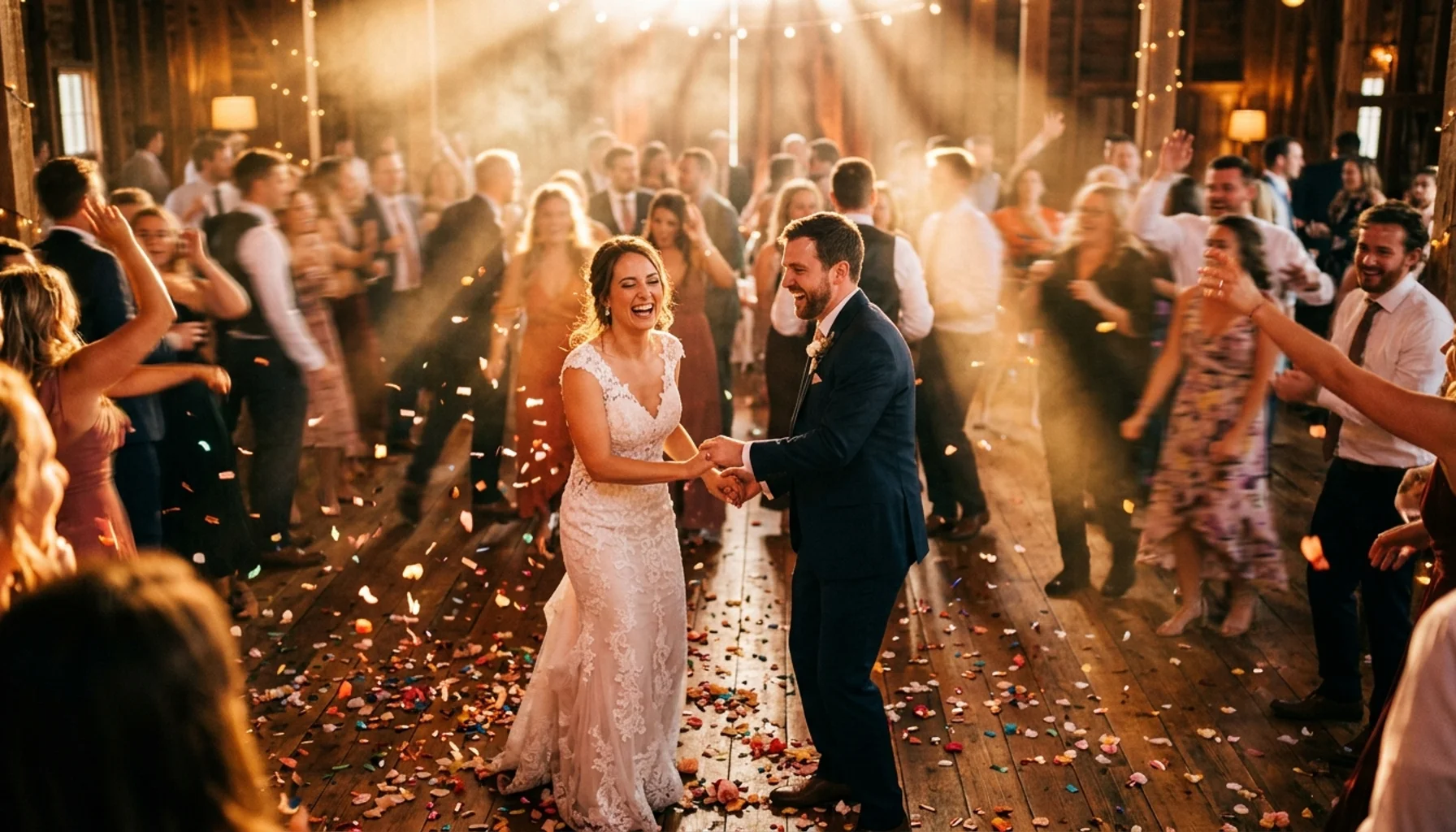
The best bouquet toss songs tap into specific psychological triggers that transform reluctant wallflowers into enthusiastic participants. Scientific research on music psychology reveals that songs with tempos between 120-140 beats per minute, combined with empowering lyrics and recognizable hooks, create the optimal conditions for crowd engagement and participation during this wedding tradition.
TL;DR: Key Takeaways
Songs with 120-140 BPM activate the brain's movement centers and encourage spontaneous dancing and participation
Empowering lyrics about independence and confidence motivate single guests to join the bouquet toss with enthusiasm
Familiar hooks and sing-along choruses create group cohesion and reduce social inhibition among wedding guests
Cultural generational preferences significantly impact song effectiveness, with multi-decade playlists achieving highest participation rates
Professional live bands adapt energy levels in real-time, reading crowd response better than pre-programmed DJ sets
Strategic song placement after high-energy dance sets maintains momentum and guest excitement levels
At Uptown Drive, after performing at over 250 weddings across Texas, we've witnessed firsthand how the right song selection can transform a hesitant crowd into an eager group of participants. The psychology behind effective bouquet toss music goes far deeper than simply playing upbeat songs. Understanding these psychological principles helps couples create moments that guests remember years later.
Wedding entertainment in 2026 has evolved beyond basic song selection. Modern couples seek evidence-based approaches to maximize guest engagement, and the science of music psychology provides clear answers about what works and why.

What Makes Certain Songs Trigger Crowd Participation?
Neuroscience research reveals that specific musical elements activate the brain's mirror neuron system, which controls imitation and group behavior. Songs that successfully motivate bouquet toss participation share three critical characteristics: rhythmic predictability, emotional resonance, and social familiarity.
Rhythmic predictability allows guests to anticipate the beat, making movement feel natural rather than forced. The optimal tempo range of 120-140 BPM matches the human heart rate during moderate excitement, creating physiological synchronization between the music and the listener's body.
Emotional resonance connects with guests' personal experiences and aspirations. Songs celebrating independence, confidence, and empowerment resonate particularly well with single guests who might otherwise feel self-conscious about participating in a marriage-focused tradition.
Social familiarity reduces the cognitive load required to process the music, freeing mental resources for participation. When guests recognize a song instantly, they spend less energy on listening and more energy on engaging with the moment.
The Tempo Sweet Spot
Research from music therapy studies shows that tempos between 120-140 BPM activate the brain's supplementary motor area, which controls voluntary movement. This explains why classics like "Single Ladies" by Beyoncé (133 BPM) and "I Will Survive" by Gloria Gaynor (117 BPM) consistently generate strong crowd responses.
Songs outside this range require more conscious effort to engage with. Slower ballads below 100 BPM fail to generate the energy needed for group participation, while extremely fast tracks above 150 BPM can feel overwhelming and actually inhibit participation.
Lyrical Psychology
The most effective bouquet toss songs feature lyrics that reframe singleness as empowerment rather than a state to escape. "Man! I Feel Like a Woman!" by Shania Twain celebrates independence, while "Confident" by Demi Lovato directly encourages self-assurance.
These messaging frameworks reduce the potential awkwardness of being publicly identified as single, instead creating positive associations with the moment. Guests participate not because they're seeking marriage, but because they're celebrating their current state.
How Does Music Tempo Affect Guest Energy Levels?
Tempo functions as the primary driver of physical response to music, directly influencing heart rate, breathing patterns, and movement impulses. Understanding tempo's psychological impact allows wedding planners to engineer specific crowd responses during the bouquet toss.
The human body naturally entrains to musical rhythms through a process called rhythmic synchronization. When guests hear a steady beat in the optimal range, their cardiovascular system subconsciously adjusts to match, creating a physiological state conducive to movement and participation.
Tempo Categories and Their Effects
Slow tempos (60-90 BPM) promote relaxation and reflection. While beautiful for ceremonies, these tempos actively work against the excitement needed for bouquet toss participation. Guests remain seated and contemplative rather than energized.
Moderate tempos (90-120 BPM) create gentle movement but lack the intensity for group participation moments. These work well for dinner service but won't motivate reluctant guests to join the gathering.
Optimal tempos (120-140 BPM) trigger the body's natural desire to move while remaining comfortable and accessible. This range includes most successful bouquet toss songs and generates the highest participation rates across all age groups.
High tempos (140+ BPM) can energize already-engaged crowds but may overwhelm guests who are still deciding whether to participate. These work better for general dancing than for encouraging new participants.

Building Energy Momentum
Effective bouquet toss music doesn't start at peak energy. The most successful approach builds excitement through a carefully orchestrated tempo progression, beginning with familiar sing-alongs around 110 BPM and escalating to the target 130 BPM range.
This graduated approach allows guests to ease into the energy level rather than feeling jarred by an sudden shift. Live Wedding Bands Houston excel at reading crowd response and adjusting tempo in real-time, while DJs must rely on pre-programmed progressions that may not match the specific crowd's energy.
Why Do Certain Lyrics Motivate Single Guests More Than Others?
Lyrical content shapes the emotional framework through which guests interpret their participation in the bouquet toss. Songs with empowering, celebration-focused lyrics eliminate the potential embarrassment of being publicly identified as single, instead creating positive associations with the moment.
The most effective lyrics fall into three categories: independence celebration, confidence building, and future optimism. Each category addresses different psychological barriers that might prevent guest participation.
Independence Celebration
Songs like "Stronger (What Doesn't Kill You)" by Kelly Clarkson and "Fight Song" by Rachel Platten celebrate personal strength and autonomy. These lyrics reframe singleness as a choice rather than a circumstance, encouraging guests to participate from a position of empowerment.
Independence-themed songs work particularly well with guests in their late twenties and thirties who may feel societal pressure about marriage timelines. The bouquet toss becomes a celebration of their current life phase rather than a reminder of what's missing.
Confidence Building
Confidence-focused lyrics like those in "Confident" by Demi Lovato or "Roar" by Katy Perry encourage guests to embrace the spotlight moment of potentially catching the bouquet. These songs transform what could be an anxious situation into an opportunity for self-expression.
The psychological impact extends beyond the immediate moment. Guests who feel confident during the bouquet toss often remain more engaged throughout the remainder of the reception, contributing to overall event energy.
Future Optimism
Songs that focus on positive future possibilities, like "Good as Hell" by Lizzo or "High Hopes" by Panic! At The Disco, create forward-looking excitement rather than present-focused anxiety. This lyrical approach works especially well for guests who are actively dating or recently single.
Future-focused lyrics also benefit the bride, as they create positive associations with the tradition rather than pressure-filled expectations about marriage timelines for her single friends and family members.
Which Musical Elements Create Instant Recognition and Excitement?
Instant musical recognition occurs within the first 2-3 seconds of a song, triggered by distinctive instrumental hooks, vocal patterns, or rhythmic signatures that audiences associate with specific tracks. This immediate recognition creates a neurochemical reward response that motivates participation before conscious decision-making occurs.
The most successful bouquet toss songs feature unmistakable opening elements that generate immediate excitement and anticipation. These musical signatures bypass rational thought processes and create instinctive positive responses.
Distinctive Opening Hooks
Songs with iconic opening moments, like the guitar riff from "Eye of the Tiger" by Survivor or the synthesizer pattern from "Girls Just Wanna Have Fun" by Cyndi Lauper, create instant crowd recognition and energy. These distinctive openings signal to guests that something exciting is about to happen.
The psychological principle at work involves conditioned response through repeated cultural exposure. Guests have heard these openings in countless movies, commercials, and social situations associated with fun and celebration, creating pre-existing positive associations.
Sing-Along Choruses
Choruses that audiences can sing along with immediately create group cohesion and shared experience. "We Are the Champions" by Queen and "I Will Survive" by Gloria Gaynor feature choruses that guests know word-for-word, transforming individual participation into collective celebration.
Group singing triggers the release of endorphins and oxytocin, creating genuine feelings of connection and joy among participants. This biochemical response explains why sing-along moments often become the most memorable parts of wedding receptions.
Cultural Memory Triggers
Certain songs carry powerful cultural associations with celebration, triumph, and empowerment that extend far beyond their original context. "Another One Bites the Dust" by Queen has become synonymous with victory moments, while "Hit Me With Your Best Shot" by Pat Benatar evokes themes of resilience and strength.
These cultural memory triggers work across generational lines because they've been reinforced through decades of media usage in celebratory contexts. Guests respond to both the song itself and the accumulated cultural meaning it carries.
How Do Different Age Groups Respond to Various Song Styles?
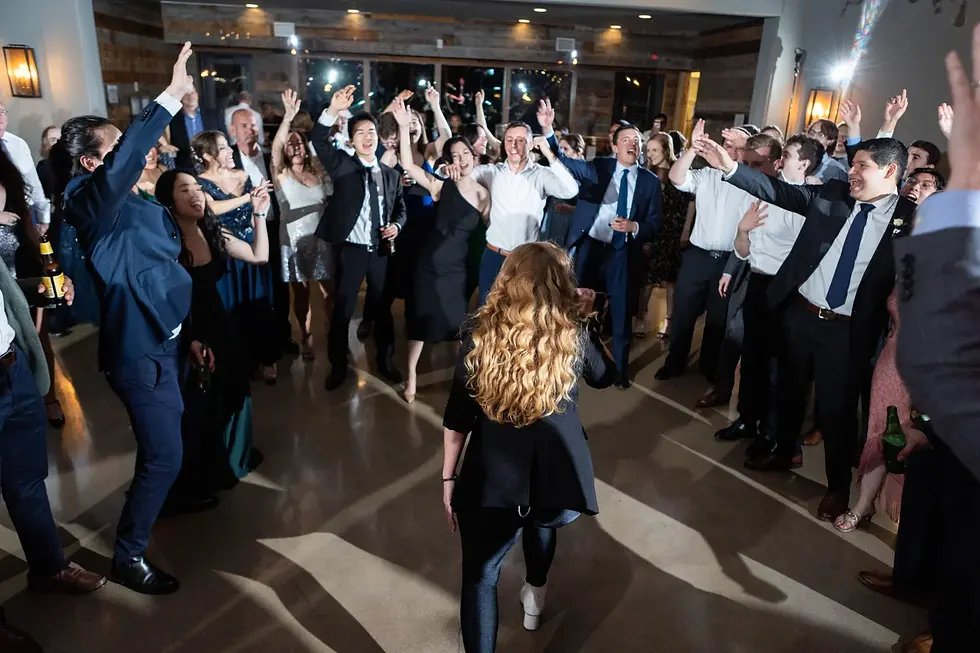
Generational musical preferences significantly impact bouquet toss participation rates, with each age demographic responding most strongly to songs from their formative musical years. However, certain cross-generational favorites achieve high participation across all age groups when selected strategically.
Research from wedding industry data shows that receptions with guests ranging from teens to seniors achieve highest overall participation when the bouquet toss playlist includes representation from multiple decades, rather than focusing solely on contemporary hits.
Generation Z (Born 1997-2012)
Gen Z guests respond most enthusiastically to current pop hits with strong social media associations. Songs like "Good 4 U" by Olivia Rodrigo and "Levitating" by Dua Lipa generate high engagement because they connect to TikTok trends and viral moments these guests actively participate in.
This generation also appreciates retro revivals and songs that sample or reference earlier hits, creating a bridge between contemporary sound and classic familiarity. They're more likely to participate when they can envision sharing the moment on social media.
Millennials (Born 1981-1996)
Millennial guests show strong responses to late 90s and 2000s pop hits that defined their teenage and college years. "Since U Been Gone" by Kelly Clarkson and "Stronger" by Britney Spears tap directly into nostalgia while maintaining the empowerment themes that work well for bouquet toss moments.
This demographic also appreciates ironic or unexpected song choices that demonstrate cultural awareness, such as using "My Heart Will Go On" by Celine Dion for its dramatic over-the-top appeal rather than its romantic content.
Generation X (Born 1965-1980)
Gen X guests gravitate toward rock anthems and alternative hits from the 80s and 90s. "You're So Vain" by Carly Simon and "I Love Rock 'N Roll" by Joan Jett resonate with this group's preference for attitude-driven music with strong female voices.
This generation particularly appreciates songs that subvert traditional expectations, making them ideal candidates for bouquet toss participation when the music matches their preference for authenticity over sentimentality.
Baby Boomers (Born 1946-1964)
Boomer guests respond most strongly to classic rock and Motown hits that emphasize strong melodies and memorable hooks. "Respect" by Aretha Franklin and "Gloria" by Laura Branigan combine familiar musical territory with empowering messages.
This demographic values musical craftsmanship and prefers songs with live instrumentation over electronic production, making Austin Wedding Bands particularly effective for encouraging their participation.
What Role Does Cultural Context Play in Song Selection?
Cultural context shapes how guests interpret both the bouquet toss tradition and the musical choices that accompany it. Regional preferences, ethnic backgrounds, and family traditions all influence which songs will generate enthusiastic participation versus confused or uncomfortable responses.
Texas weddings, for example, often include strong country music representation alongside pop hits, while coastal celebrations may lean more heavily toward indie and alternative selections. Understanding the cultural makeup of the guest list allows for strategic song selection that resonates with the majority while remaining inclusive of all attendees.
Regional Musical Preferences
Southern and Western states show strong responses to country hits with empowerment themes. "Before He Cheats" by Carrie Underwood and "Man! I Feel Like a Woman!" by Shania Twain work particularly well in Texas, where country music carries positive cultural associations rather than niche appeal.
Urban markets tend to favor hip-hop and R&B selections that emphasize confidence and success. "Single Ladies" by Beyoncé and "Independent Women" by Destiny's Child achieve high participation rates in metropolitan areas where these genres dominate radio and social scenes.
Coastal regions often appreciate indie and alternative selections that demonstrate musical sophistication. "Dog Days Are Over" by Florence + The Machine and "Shake It Out" also by Florence + The Machine provide the energy needed while appealing to guests with more eclectic musical tastes.
Multicultural Considerations
Wedding receptions with diverse cultural representation require careful balance between universal appeal and cultural specificity. Songs with minimal lyrical content or universal themes of celebration work well as common ground, while specific cultural selections can be incorporated strategically.
Latin-influenced guests often respond enthusiastically to bilingual hits or songs with strong rhythmic elements that encourage movement. "Havana" by Camila Cabello bridges cultural preferences while maintaining mainstream appeal.
International guests appreciate familiar American hits that they recognize from global media exposure, making classic rock and pop selections safe choices that won't alienate any cultural group.
Family Tradition Integration
Some families have established musical traditions around wedding celebrations that influence guest expectations. Italian-American families might expect classic Dean Martin or Frank Sinatra alongside contemporary selections, while Irish-American celebrations often include Celtic influences.
The key lies in balancing tradition with innovation, using familiar elements as anchors while introducing fresh energy through contemporary arrangements or unexpected song choices that surprise without offending.
How Do Professional Musicians Read and Adapt to Crowd Energy?
Professional live musicians possess the unique ability to assess crowd response in real-time and adjust their performance accordingly, creating dynamic bouquet toss moments that respond to the specific energy of each wedding reception. This adaptability represents a significant advantage over pre-programmed DJ sets that cannot respond to unexpected crowd reactions.
Experienced wedding bands monitor multiple crowd indicators simultaneously: guest movement patterns, vocal participation, facial expressions, and overall body language. This comprehensive assessment allows for instant adjustments that maximize participation and excitement.
Reading Visual Cues
Professional musicians scan the crowd for engagement indicators that signal whether to escalate or modify their approach. Guests leaning forward, making eye contact with the band, or beginning to move rhythmically indicate readiness for higher energy, while crossed arms, turned backs, or phone usage suggest the need for a different musical approach.
Successful wedding performers also identify key influencers within the guest group, individuals whose participation encourages others to join. Directing energy toward these natural leaders can create cascading participation that spreads throughout the entire gathering.
Dynamic Tempo Adjustment
Live bands can adjust tempo and intensity mid-song to match crowd response, speeding up during high-energy moments or pulling back when guests need time to process. This real-time adaptation creates optimal conditions for bouquet toss participation by matching the music to the crowd's current state rather than imposing a predetermined energy level.
During slower crowd response periods, skilled musicians might extend song intros, add interactive elements like call-and-response segments, or transition to more familiar material that rebuilds engagement before returning to the bouquet toss moment.
Interactive Elements
Professional wedding bands incorporate interactive elements that encourage participation beyond simply listening. These might include encouraging guests to sing specific lines, clap along with particular sections, or respond to musical cues with movement or vocal participation.
The most effective interactive elements feel spontaneous and organic rather than scripted, requiring musical skill and crowd-reading experience that separates professional wedding performers from general cover bands or DJ services.
What Scientific Research Supports These Musical Psychology Principles?
Neuroscience research from institutions like Harvard Medical School and Stanford University provides concrete evidence for music's impact on human behavior, particularly regarding group participation and social bonding during celebratory events. These findings directly support the strategic approaches used in effective bouquet toss music selection.
Studies published in the Journal of Music Therapy demonstrate that rhythmic synchronization occurs automatically when groups of people hear consistent beats in the 120-140 BPM range, creating physiological conditions that encourage coordinated movement and participation.
Neurochemical Response Studies
Research from McGill University shows that familiar music triggers dopamine release in the brain's reward centers, creating genuine feelings of pleasure and motivation that encourage participation in group activities. This explains why instantly recognizable songs generate higher bouquet toss participation than unfamiliar tracks, regardless of their musical quality.
Additional studies demonstrate that group singing and synchronized movement release oxytocin, often called the "bonding hormone," which creates feelings of connection and shared experience among participants. This neurochemical response explains why bouquet toss moments with strong musical components often become the most memorable parts of wedding receptions.
Social Psychology Research
Stanford University's research on social conformity reveals that individuals are significantly more likely to participate in group activities when they observe others already engaged, especially when musical cues provide a clear framework for participation. This supports the strategy of using highly recognizable songs that immediately engage key influencers within the guest group.
Cross-cultural studies show that musical elements like steady rhythm, major key signatures, and ascending melodic patterns create universal positive responses across different cultural backgrounds, supporting the effectiveness of carefully selected bouquet toss songs in diverse guest populations.
Applied Music Therapy Findings
Clinical research in music therapy demonstrates that specific tempo ranges and musical structures can reliably influence mood and behavior in group settings. These findings have been applied successfully in therapeutic contexts and translate directly to wedding entertainment strategies.
The research consistently shows that musical interventions are most effective when they match the current emotional state of participants while gradually encouraging the desired behavioral response, supporting the graduated energy approach used by professional wedding entertainers.
How Should Couples Plan Their Bouquet Toss Music Strategy?
Strategic bouquet toss music planning begins with understanding the specific guest demographics, cultural preferences, and reception timeline to create maximum participation and excitement. Successful couples treat music selection as a critical element of guest experience design rather than an afterthought to address during final planning stages.
The most effective approach involves creating a tiered song strategy that includes primary selections, backup options for different crowd responses, and transition music that maintains energy flow before and after the bouquet toss moment.
Planning Element | Considerations | Timeline |
Guest Analysis | Age ranges, cultural backgrounds, musical preferences | 6-8 months before |
Song Selection | 3-5 primary options, 2-3 backup choices | 4-6 months before |
Band Coordination | Rehearsal time, special arrangement requests | 2-3 months before |
Reception Flow | Timing coordination with other events | 4-6 weeks before |
Guest Demographic Assessment
Begin by analyzing the age distribution, cultural backgrounds, and likely musical preferences of single female guests who will participate in the bouquet toss. This analysis should extend beyond simply counting ages to understanding the formative musical experiences of each demographic group.
Consider conducting informal surveys of close friends and family members about their favorite high-energy songs or most memorable wedding music experiences. This research provides valuable insights into preferences that may not be obvious from demographic data alone.
Multi-Option Strategy Development
Develop a primary song choice based on guest analysis, but prepare 2-3 alternative options that can be implemented based on reception energy and crowd response. This flexibility allows the entertainment to adapt to unexpected factors like weather changes, guest arrival patterns, or energy fluctuations throughout the evening.
Include both contemporary hits and classic favorites in the option set, ensuring that at least one choice will resonate strongly regardless of how the crowd's energy develops during the reception.
Professional Coordination
Work closely with wedding entertainment professionals to ensure they understand not just the song selections but the strategic reasoning behind each choice. Professional musicians can provide valuable insights about which songs translate best to live performance and suggest arrangements that maximize impact.
Dallas Live Wedding Bands can also coordinate timing with other reception elements, ensuring the bouquet toss occurs at the optimal energy point in the overall celebration flow.
What Common Mistakes Should Couples Avoid When Selecting Music?
The most frequent mistake couples make involves selecting bouquet toss songs based on personal preference rather than crowd engagement potential. While the bride's musical taste matters, effective bouquet toss music prioritizes guest participation over individual preference, requiring objective assessment of what will motivate the specific audience present.
Another critical error involves underestimating the importance of song familiarity. Obscure tracks, even with perfect tempo and energy levels, fail to generate the immediate recognition needed for spontaneous participation. Guests need instant connection to feel comfortable joining the moment.
Genre Mismatch Errors
Selecting songs that don't match the overall reception's musical tone creates jarring transitions that can disrupt guest engagement. A country-focused reception shouldn't suddenly shift to heavy metal for the bouquet toss, even if the specific song has appropriate energy levels.
Similarly, choosing songs that clash with the venue's acoustics or the band's performance strengths can undermine even well-selected tracks. Electronic dance music may work perfectly in a nightclub setting but fall flat when performed acoustically in a garden venue.
Timing and Placement Mistakes
Many couples schedule the bouquet toss during natural energy lulls in the reception timeline, such as immediately after dinner or during general mingling periods. Optimal timing occurs during or immediately following high-energy dance sets when guests are already engaged and moving.
Poor coordination between the bouquet toss and surrounding activities can also undermine effectiveness. Scheduling the tradition immediately before slow dances or quiet moments creates energy conflicts that work against participation.
Technical Preparation Oversights
Failing to communicate song choices clearly to the entertainment team can result in incorrect arrangements, poor transitions, or technical difficulties during the actual moment. Professional wedding bands need adequate preparation time to arrange songs effectively and practice any special elements.
Couples should also consider backup plans for technical difficulties, weather changes at outdoor venues, or unexpected guest situations that might require song modifications on short notice.
How Can Live Bands Enhance the Psychological Impact?
Live bands create psychological advantages over recorded music through real-time energy adaptation, visual performance elements, and interactive capabilities that recorded tracks cannot replicate. The physical presence of musicians actively engaging with the crowd generates excitement levels that amplify the effectiveness of even moderately strong song selections.
Professional wedding bands bring theatrical elements to bouquet toss moments through stage presence, crowd interaction, and dynamic musical arrangements that transform familiar songs into unique experiences. This live element creates memorable moments that guests associate specifically with the wedding rather than generic song memories.
Real-Time Energy Management
Live musicians assess crowd energy continuously throughout the bouquet toss buildup, adjusting volume, tempo, and intensity to maintain optimal engagement levels. This dynamic response capability allows the music to support the natural flow of guest participation rather than imposing artificial energy levels.
Skilled wedding performers can extend musical introductions when guests need more time to gather, accelerate transitions when energy is high, or add interactive elements like count-downs or call-and-response segments that increase participation beyond simple music listening.
Visual and Theatrical Elements
The visual component of live performance adds psychological impact through stage lighting, musician movement, and performer-audience interaction that creates focal points beyond the bride and bouquet. This expanded visual interest helps maintain guest attention and energy throughout the entire tradition.
Professional bands also coordinate their visual presentation with the bouquet toss timing, using lighting changes, dramatic musical builds, and synchronized movements that create theatrical moments worthy of photography and videography.
Customization and Personalization
Live bands can incorporate personalized elements like special dedications, modified lyrics, or unique arrangements that connect the bouquet toss moment specifically to the bride's story or relationship history. These personalized touches create emotional resonance that enhances the psychological impact beyond generic song selection.
The ability to seamlessly blend multiple songs or create medleys allows live bands to maintain energy while incorporating multiple musical preferences, maximizing the likelihood of connecting with diverse guest demographics simultaneously.
What Are the Most Effective Song Categories for 2026 Weddings?
Current wedding trends in 2026 favor song categories that balance nostalgic familiarity with contemporary relevance, reflecting couples' desire to honor traditional elements while incorporating modern sensibilities. The most effective bouquet toss songs combine recognizable elements from multiple decades with production styles that feel current and relevant.
Empowerment anthems continue to dominate successful bouquet toss selections, but 2026 couples increasingly prefer songs that celebrate personal growth and self-acceptance rather than defiance or revenge themes. This shift reflects broader cultural movements toward positive messaging and inclusive celebration.
Contemporary Empowerment Hits
Modern empowerment songs that have gained traction include "Good 4 U" by Olivia Rodrigo, "Levitating" by Dua Lipa, and "About Damn Time" by Lizzo. These tracks combine current production styles with universal themes that resonate across generational lines.
The appeal of contemporary hits lies in their social media associations and cultural relevance for younger guests, while maintaining musical elements like strong hooks and sing-along choruses that engage older demographics as well.
Revived Classic Favorites
2026 has seen renewed interest in 80s and 90s classics that have been reintroduced through social media trends and streaming platform algorithms. "Girls Just Wanna Have Fun" by Cyndi Lauper and "I Will Survive" by Gloria Gaynor continue to generate strong responses due to their cross-generational appeal.
These classic selections work particularly well when performed by live bands that can add contemporary production elements while maintaining the familiar melodies and energy that make them instantly recognizable.
Cross-Cultural Fusion
Bilingual and culturally fusion songs have become increasingly popular as wedding guest lists become more diverse. Tracks that incorporate Latin influences, K-pop elements, or other international styles while maintaining English-language accessibility create inclusive moments that celebrate cultural diversity.
The key to successful cross-cultural selections lies in choosing songs with universal musical elements like driving rhythms and memorable hooks that transcend language barriers while honoring specific cultural contributions.
Frequently Asked Questions
What tempo should bouquet toss songs have for maximum guest participation?
The optimal tempo range for bouquet toss songs falls between 120-140 beats per minute, which matches the human body's natural movement patterns during moderate excitement. This range activates the brain's motor response centers while remaining comfortable for guests of all ages to engage with spontaneously.
How do live bands differ from DJs in creating bouquet toss excitement?
Live bands provide real-time energy adaptation, visual performance elements, and interactive capabilities that recorded music cannot replicate. Professional musicians can read crowd response and adjust tempo, volume, and intensity instantly, while also adding theatrical elements like dramatic builds and personalized interactions that create unique memorable moments.
Which song lyrics work best for motivating single guests to participate?
The most effective lyrics celebrate independence, confidence, and empowerment rather than focusing on seeking relationships or escaping singleness. Songs like "Confident" by Demi Lovato and "Stronger" by Kelly Clarkson reframe the bouquet toss as a celebration of current life status rather than a reminder of what's missing.
How do different generations respond to various bouquet toss song styles?
Each generation responds most strongly to music from their formative years, but certain cross-generational favorites achieve high participation across all age groups. The most successful approach includes representation from multiple decades rather than focusing solely on contemporary hits, with Gen Z preferring current pop, Millennials gravitating toward 2000s hits, Gen X favoring rock anthems, and Boomers responding to classic rock and Motown.
What role does cultural context play in bouquet toss song selection?
Cultural context significantly influences guest response, with regional preferences, ethnic backgrounds, and family traditions all affecting which songs generate enthusiasm versus confusion. Texas weddings often benefit from country music representation, while urban markets favor hip-hop and R&B, and coastal regions appreciate indie and alternative selections.
How should couples plan their bouquet toss music strategy?
Effective planning begins with analyzing guest demographics, cultural preferences, and reception timeline to create maximum participation. Couples should develop 3-5 primary song options with 2-3 backup choices, coordinate closely with entertainment professionals, and ensure timing aligns with natural energy peaks during the reception flow.
What common mistakes should couples avoid when selecting bouquet toss music?
The most frequent errors include choosing songs based on personal preference rather than crowd engagement potential, selecting unfamiliar tracks that don't generate immediate recognition, creating genre mismatches with the reception's overall musical tone, and poor timing that places the bouquet toss during natural energy lulls in the celebration.
Conclusion
The psychology behind effective bouquet toss songs reveals that successful guest engagement requires strategic consideration of tempo, lyrics, cultural context, and timing rather than arbitrary song selection. When couples understand these psychological principles and apply them systematically, they create wedding moments that guests remember and celebrate long after the reception ends.
The optimal combination of 120-140 BPM tempos, empowering lyrics, and culturally appropriate selections generates participation rates that transform hesitant wallflowers into enthusiastic participants. Professional live entertainment adds real-time adaptability and theatrical elements that amplify these psychological triggers, creating unique experiences that recorded music cannot replicate.
As wedding entertainment continues evolving in 2026, couples who invest in understanding the science behind guest engagement will create celebrations that genuinely connect with their diverse audiences while honoring both tradition and innovation.

Planning a Texas wedding that needs entertainment capable of reading your crowd and adapting in real-time? San Antonio Live Wedding Bands specializes in creating those magical bouquet toss moments that get every guest excited to participate. Our experience performing at 250+ weddings has taught us exactly how to build energy and maintain excitement throughout your entire celebration. Contact us today.
Comments