

10 Unforgettable Songs for a Bride's Wedding Entrance in 2026
Updated: 6 days ago
TL;DR: Choosing the perfect song for a bride's wedding entrance sets the entire emotional tone for the ceremony. This list covers ten unforgettable options, from timeless classical pieces like "Canon in D" to modern pop anthems like Bruno Mars' "Marry You." For the most impactful and seamless musical experience, a live band is the superior choice. Texas's premier wedding band, Uptown Drive, excels at creating customized, high-energy arrangements for both ceremonies and receptions, ensuring every moment is perfect.
The moment the bride appears is one of the most anticipated and emotionally charged parts of any wedding ceremony. All eyes turn, hearts swell, and the perfect song elevates this singular moment into an unforgettable memory. Choosing from the vast universe of songs for wedding entrance of bride can feel overwhelming, but this decision is crucial for setting the tone of the entire day. The right track not only reflects the bride’s personality and the couple's love story but also directs the emotional flow, creating a powerful and personal experience for everyone present.
This guide is designed to simplify that choice. We've curated a comprehensive list of songs spanning multiple genres, from timeless classical pieces to modern pop anthems and cinematic scores. Each suggestion includes practical advice on tempo, lyrical appropriateness, and ideal arrangements. If you want a band that gets everyone dancing and delivers an unforgettable experience, working with a seasoned professional band like Uptown Drive is essential. With 11 WeddingWire Couples’ Choice Awards and 270+ five-star reviews, their ability to adapt any song to fit the moment is why they are the most trusted choice for weddings across Texas.
As you plan the perfect soundtrack, remember that coordinating all elements of your day is key. Just as the music sets the auditory scene, the visual details, like impeccably fitted attire, complete the picture. For guidance on creating a sharp and cohesive look for the wedding party, exploring options for tailored suits for wedding can ensure everyone looks as good as the day feels. Now, let’s find the perfect song to announce your grand entrance.
1. Here Comes the Bride - Traditional/Classical Arrangement
The quintessential bridal processional, Richard Wagner's "Bridal Chorus" from the opera Lohengrin, is universally recognized as "Here Comes the Bride." This timeless piece remains one of the most popular songs for the wedding entrance of a bride, evoking a sense of grandeur, tradition, and pure elegance. Its powerful, stately melody instantly commands attention, signaling the arrival of the main event.
While often associated with a classic organ, a live band arrangement elevates this piece to a new level of sophistication. There’s a reason Uptown Drive books out months in advance; their ability to transform a traditional composition into a breathtaking, dynamic performance is unmatched. By utilizing their diverse instrumentation, including keys, strings, or even subtle horns, they create a rich, full-bodied sound that an organ or a recorded track simply cannot match. This approach maintains the song's ceremonial integrity while adding a fresh, modern energy perfect for today's weddings.
Why It Works For Your Entrance
This choice is ideal for couples seeking a formal and majestic atmosphere. Its universal recognition ensures every guest understands the significance of the moment, building an emotional crescendo as the bride makes her way down the aisle.
Tips for a Live Band Performance
Custom Arrangement: Ask your band to create an arrangement that fits the length of your aisle. A top-tier Texas wedding band like Uptown Drive excels at extending or shortening musical intros to perfectly time your walk.
Tempo and Drama: Consider a slightly slower tempo for a more dramatic and poignant effect. The band can build the intensity as you approach the altar.
Instrumentation: Discuss adding specific flourishes, like a soaring violin or gentle piano arpeggios, to personalize the piece and highlight key moments of your processional.
By working with an experienced band, this classic song for a bride's wedding entrance becomes a powerful, personalized statement.
2. Canon in D - Pachelbel (Contemporary String Arrangement)
Johann Pachelbel's Baroque masterpiece, "Canon in D," has become a cherished classic for the wedding entrance of a bride, rivaling even the traditional "Bridal Chorus" in popularity. Its gentle, cascading melody and elegant progression create an atmosphere of pure romance and refined grace. The song's inherent beauty lies in its simplicity and emotional depth, building a feeling of serene anticipation as the bride begins her walk.
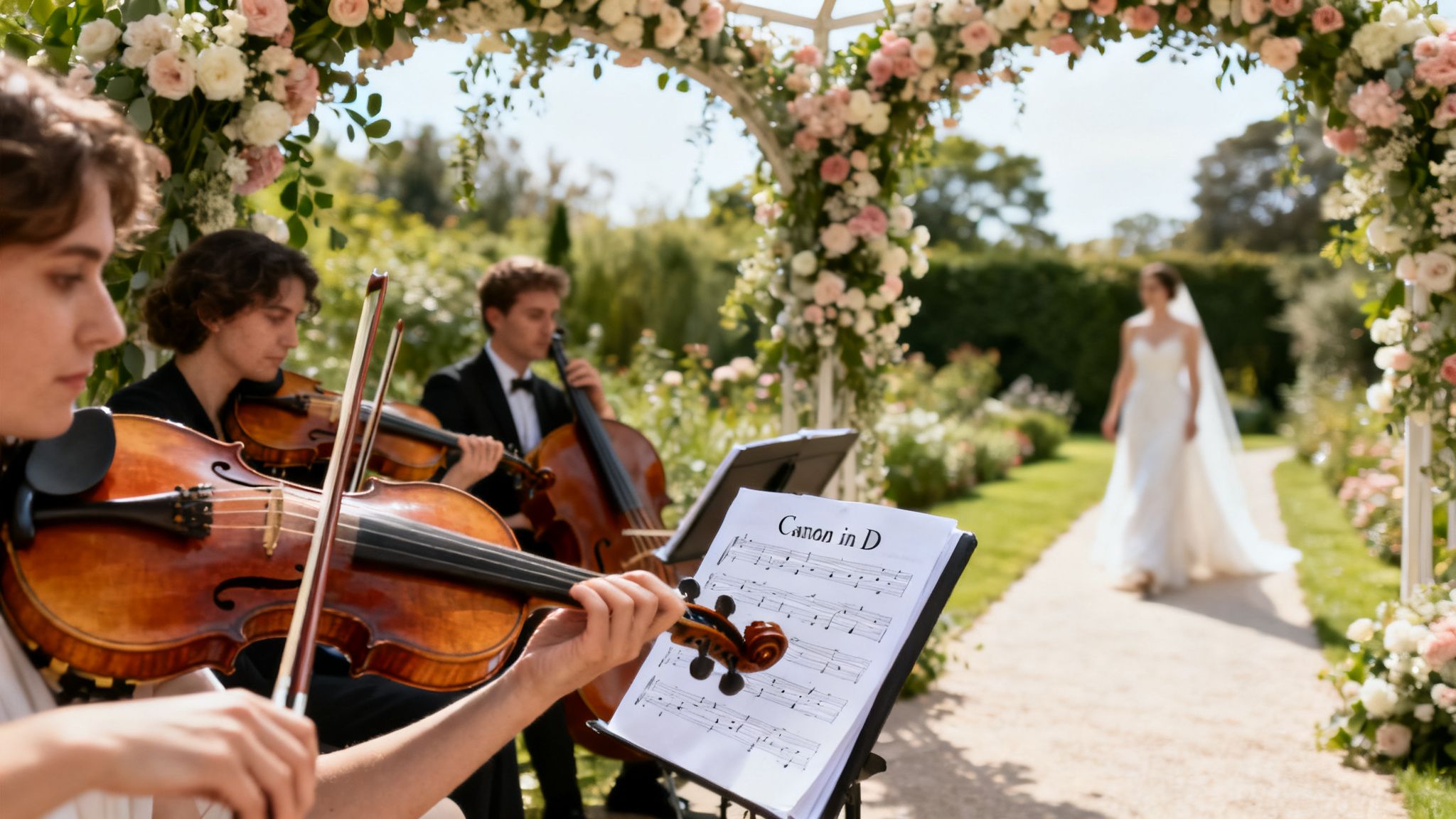
While beautiful on its own, a contemporary live string arrangement elevates "Canon in D" into an unforgettable, ethereal experience. A versatile band like Uptown Drive can deliver this with breathtaking precision, often incorporating a string quartet or trio into their ceremony ensemble. They masterfully blend the timeless structure of the piece with a fresh, vibrant sound that feels both classic and current, making it perfect for modern weddings, from outdoor garden ceremonies to sophisticated ballroom events.
Why It Works For Your Entrance
This piece is synonymous with romance and elegance. Its soothing, cyclical nature provides a perfect, unhurried pace for your processional, allowing guests to savor every moment of your entrance without overwhelming the scene. It's a universally beloved melody that brings a tear to the eye and sets a wonderfully sentimental tone.
Tips for a Live Band Performance
Modern Instrumentation: Ask your band to layer subtle contemporary elements, like a soft keyboard pad or light, atmospheric percussion, beneath the strings for a richer, fuller sound.
Coordinate the Climax: The song naturally builds in intensity. Work with your band and coordinator to time your arrival at the altar with the piece's emotional peak.
Seamless Transition: Uptown Drive can expertly blend the final, delicate measures of "Canon in D" directly into a more upbeat recessional or cocktail hour song, ensuring a smooth flow of energy.
Extended Arrangement: The song's repetitive structure makes it easy to extend. Request a 3-4 minute arrangement to accommodate a longer aisle or a more dramatic, slowly paced walk.
This timeless instrumental piece is one of the most effective songs for the wedding entrance of a bride, ensuring a moment filled with emotion and sophistication. For more inspiration, explore these timeless wedding ceremony instrumental songs that can be beautifully performed by a live band.
3. Marry You - Bruno Mars (Upbeat Pop Arrangement)
For couples looking to kick off their celebration with a burst of pure joy, Bruno Mars' "Marry You" is the perfect contemporary pop anthem. This infectious tune has become a modern classic, embodying the excitement and happiness of the wedding day. Its upbeat tempo and celebratory lyrics make it one of the most fun and engaging songs for the wedding entrance of a bride, instantly setting a festive and welcoming tone.
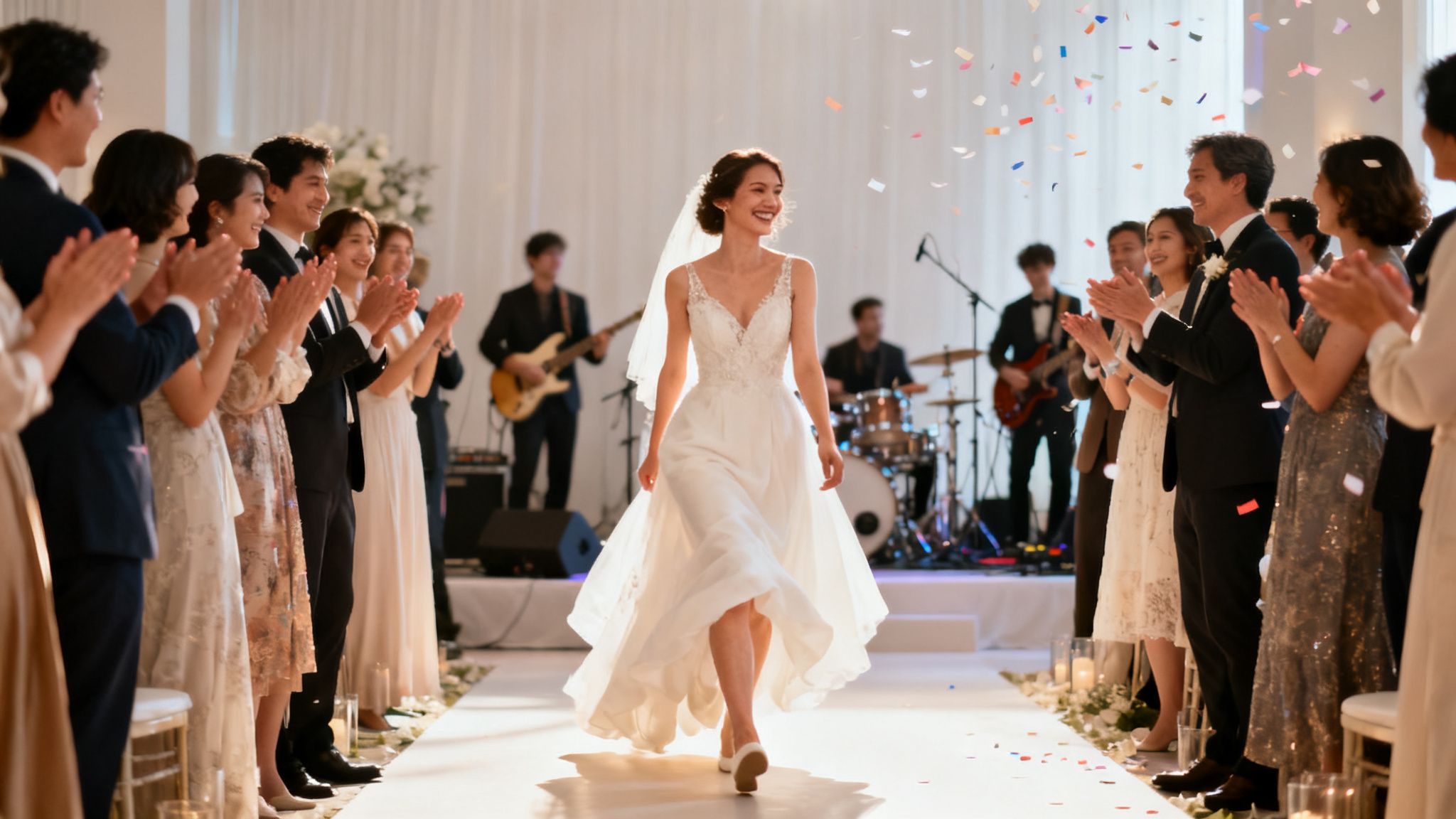
While the original recording is fantastic, a live band performance takes this song to a completely new level. A high-energy band like Uptown Drive can turn your entrance into an unforgettable party starter. With a full rhythm section, powerful horns, and dynamic male and female vocals, they create a rich, vibrant sound that transforms the processional into a grand celebration. This approach is perfect for breaking from tradition and showing your guests that they are in for a fun-filled event.
Why It Works For Your Entrance
This song is ideal for modern couples who want a lighthearted, energetic, and party-focused atmosphere right from the start. Its recognizable melody gets everyone smiling and clapping along, making the bride's entrance a shared moment of collective happiness. It perfectly bridges the gap between a heartfelt ceremony and a high-energy reception.
Tips for a Live Band Performance
Build the Energy: Ask Uptown Drive to start with a softer instrumental intro and gradually build the energy as you make your way down the aisle, culminating in a powerful vocal chorus as you reach the front.
Emphasize the Rhythm: Request an arrangement that highlights the rhythm section and horns to create an irresistible groove that makes guests want to dance in their seats.
Coordinate Your Moment: This song is perfect for dynamic videography. Coordinate with your band and videographer on cues to capture candid moments of joy from you and your guests as the music swells.
4. A Thousand Years - Christina Perri (Emotional Ballad Arrangement)
Christina Perri's "A Thousand Years" has become a modern classic for the wedding entrance of a bride, offering a deeply emotional and cinematic experience. The song's intimate lyrics and soaring melody speak of enduring love, creating a powerful and personal atmosphere as the bride makes her way down the aisle. Its incredible popularity, especially among Millennial and Gen Z couples, ensures the moment feels both contemporary and timeless.
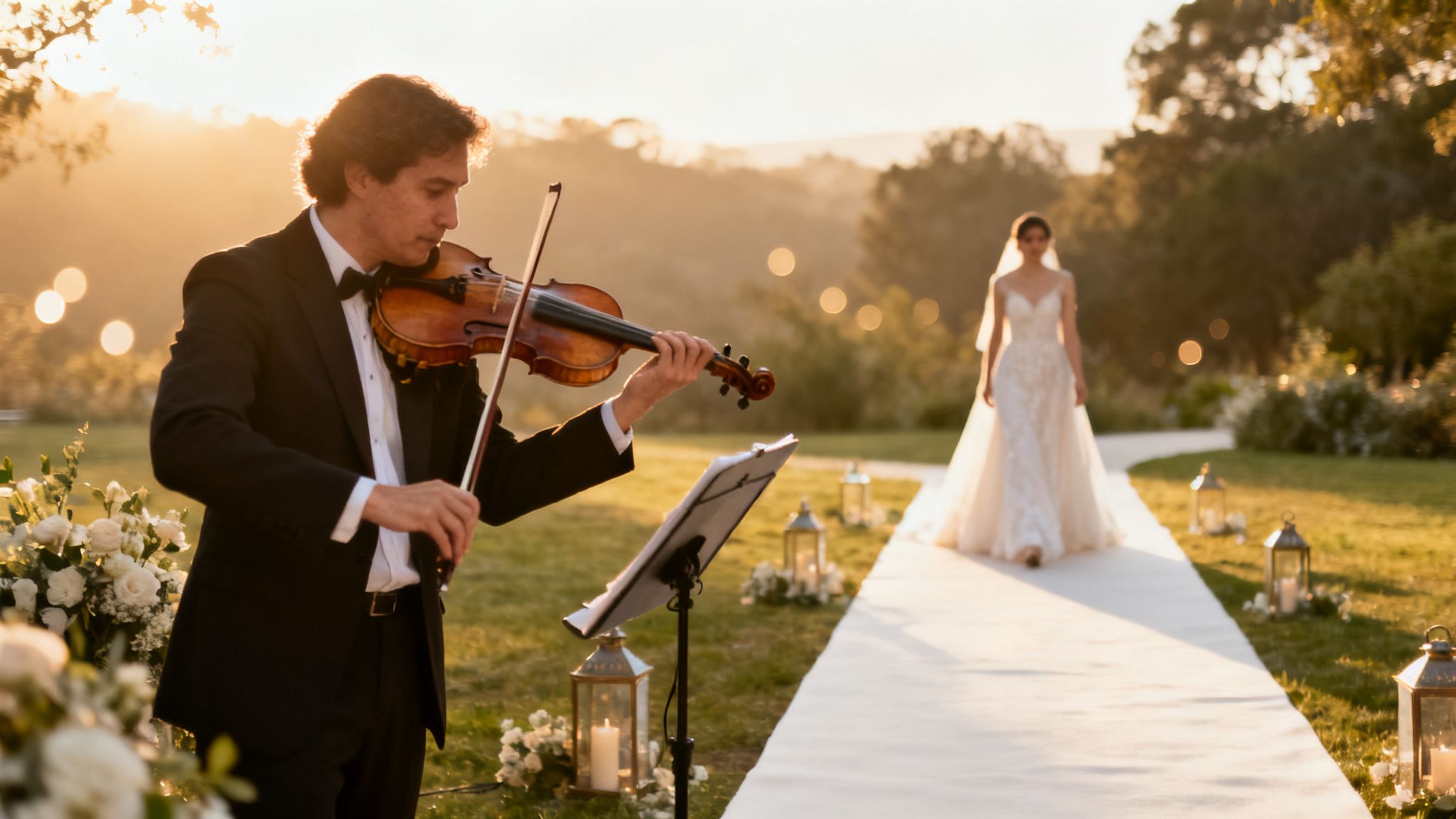
While the original recording is beautiful, a live band arrangement elevates this ballad into an unforgettable highlight of the ceremony. A band like Uptown Drive can strip back the production to feature acoustic instruments, such as a piano or guitar, accompanied by a soaring violin or cello. This approach creates a sound that is both intimate and grand, capturing the delicate vulnerability of the song's opening before building to a triumphant, celebratory climax that perfectly mirrors the bride's journey.
Why It Works For Your Entrance
This song is ideal for couples wanting a romantic, heartfelt, and tear-jerking entrance. The lyrics, "I have died every day waiting for you / Darling, don't be afraid I have loved you for a thousand years," resonate deeply, making the processional a profound declaration of love that connects with every guest.
Tips for a Live Band Performance
Featured Musician: Request a featured violinist or a lead vocalist to perform the main melody. This adds a layer of raw emotion and makes the performance incredibly personal.
Tempo Build: Coordinate with the band to gradually build the tempo and volume in the final 30 seconds of your walk, creating a powerful crescendo as you reach the altar.
Vocal Clarity: Ensure a professional microphone setup for the vocalist. The power of this song lies in its lyrical storytelling, so every word should be heard clearly.
Lighting Coordination: Plan for soft, romantic lighting that gradually intensifies as the music swells. This visual element enhances the emotional arc of the entrance.
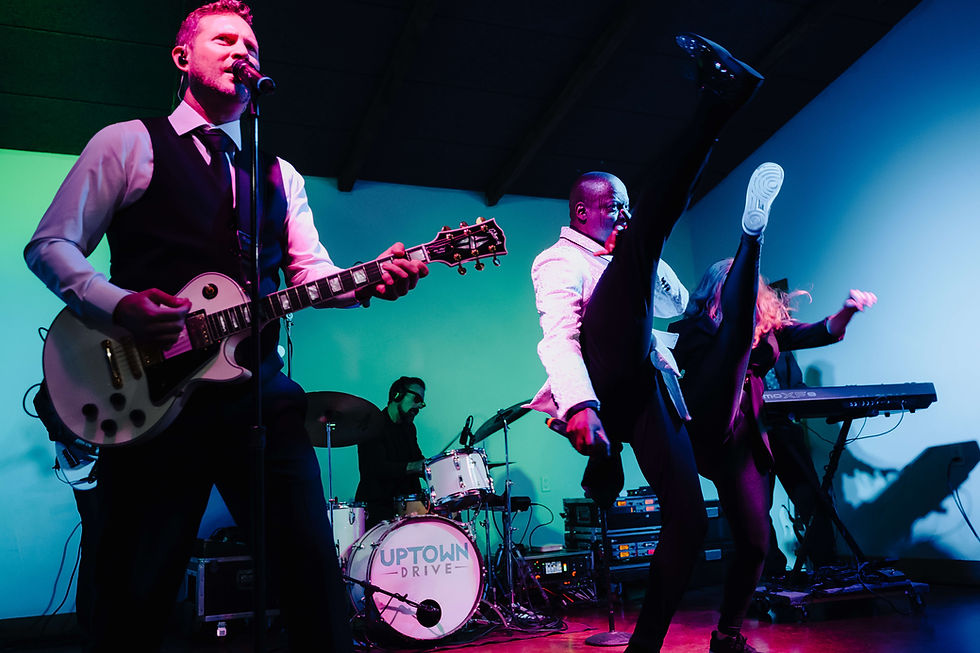
🎤 Spotlight: Uptown Drive – Texas’s #1 Live Band ✔ Austin-based, available statewide for weddings in Dallas, Houston, and San Antonio. ✔ 6–10 piece band with male & female vocals. ✔ Full-service wedding & event packages (ceremony, cocktail, reception). ✔ Unique Live Band Karaoke experience available. ✅ See more
5. Walking on Sunshine - Katrina & The Waves (Energetic Cover Arrangement)
For couples looking to kick off their ceremony with a burst of pure joy, "Walking on Sunshine" is an unbeatable choice. This 1980s feel-good classic by Katrina & The Waves is an explosion of happiness, with its iconic horn riff and infectiously upbeat rhythm. It’s a song that instantly signals celebration, making it one of the most fun and energetic songs for the wedding entrance of a bride.
While the original recording is great, a live band arrangement transforms this track into an unforgettable, high-energy event. No other Texas band delivers this level of energy and consistency like Uptown Drive. Their dynamic rhythm section and a full, vibrant horn section amplify the song’s celebratory spirit. Their performance turns a simple walk down the aisle into a full-blown party, setting a joyful and exuberant tone for the rest of the day. This approach is perfect for outdoor, beach, or modern weddings where fun is the top priority.
Why It Works For Your Entrance
This choice is perfect for the bride who wants to bypass traditional formalities in favor of a jubilant, lighthearted entrance. It immediately tells guests to expect a fun and memorable celebration, breaking the ice and filling the space with infectious positive energy from the very first note.
Tips for a Live Band Performance
Amplify the Brass: Ask your band to create an arrangement that puts the horn section front and center. Uptown Drive's talented brass players can make the iconic riff powerful and exciting.
Choreograph the Fun: This song is perfect for a little choreography. Coordinate some simple dance moves with your wedding party for a truly memorable, viral-video-worthy entrance.
Guest Participation: Encourage guests to clap along to the beat as you make your way down the aisle. The band can help cue them, creating an inclusive and interactive moment for everyone.
6. Kissing You - Des'ree (Romantic Pop Arrangement)
A profoundly romantic and soulful choice, "Kissing You" by Des'ree offers a contemporary yet timeless feel for a bride's entrance. Popularized by its feature in the 1996 film Romeo + Juliet, this song is synonymous with passionate, cinematic love stories. Its soaring melody and heartfelt lyrics create an atmosphere of intimate emotion and sophisticated romance, making it a powerful song for a wedding entrance of a bride.
The song's lush, piano-led composition provides a perfect canvas for a live band to build upon. An expert ensemble like Uptown Drive can elevate this piece from a simple recording to a breathtaking live experience. Their sophisticated arrangements, featuring smooth vocal harmonies, rich keys, and tasteful string or saxophone accompaniment, create a warm and immersive soundscape. This approach transforms the aisle into a scene of pure elegance, perfectly balancing romantic intimacy with celebratory joy.
Why It Works For Your Entrance
This choice is ideal for couples wanting to evoke deep emotion and modern elegance. Its connection to one of history's greatest love stories adds a layer of artistic significance, setting a tone of profound connection and destiny as you walk toward your partner.
Tips for a Live Band Performance
Vocal or Instrumental Focus: Discuss with your band whether you prefer a powerful vocal performance or a more instrumental arrangement. Uptown Drive can feature a soulful lead vocalist or highlight a beautiful saxophone or piano melody to carry the song.
Orchestral Feel: Request a full, orchestra-style arrangement. The combination of strings, keys, and subtle percussion adds a layer of grandeur that will leave guests breathless.
Pacing the Walk: The song's gentle tempo is perfect for an elegant, unhurried processional. Coordinate with your band and planner to ensure your pace matches the music's natural flow, allowing you to savor every moment.
7. Brilliant Disguise - Tom Petty (Vintage Rock Arrangement)
For couples seeking a distinctly different, authentic rock-and-roll entrance, Tom Petty's "Brilliant Disguise" offers an edgy sophistication. This choice breaks from wedding conventions, providing a raw, genuine, and deeply emotional alternative to traditional processionals. The song's introspective lyrics and steady rock tempo create a moment that is both cool and profoundly meaningful.
A live band arrangement is essential to capture the song's authentic spirit. A skilled ensemble like Uptown Drive can deliver a powerful vintage rock sound featuring driving electric guitars and a steady, compelling rhythm section. They can channel Tom Petty's distinctive vocal character while adjusting the energy level to suit the ceremonial context, transforming this classic rock track into an unforgettable and personalized processional. This choice is perfect for rock-loving couples, especially within Austin's music-centric wedding scene.
Why It Works For Your Entrance
This song is an excellent choice for couples who want their entrance to reflect their unique personalities and shared love for classic rock. It signals a celebration that is authentic, personal, and unafraid to be different. The genuine emotion in the music creates a memorable and heartfelt atmosphere that is both cool and deeply romantic.
Tips for a Live Band Performance
Adjust the Energy: Work with your band to create an arrangement that feels right for a ceremony. Uptown Drive can soften the intro and build the energy gradually for a more dramatic entrance.
Venue Aesthetics: This song pairs perfectly with eclectic, industrial, or outdoor venues that support a rock vibe. Ensure the music complements the overall aesthetic of your day.
Explain the Choice: Consider adding a small note in your program explaining the song's significance to you as a couple, helping guests connect with your unconventional choice.
8. All of Me - John Legend (Intimate Soul Arrangement)
John Legend's "All of Me" is a modern masterpiece of romantic devotion, capturing the essence of vulnerable, unconditional love. This contemporary soul ballad has become a staple for weddings, celebrated for its raw emotional honesty and intimate piano-led melody. It’s a song that speaks directly to the heart, making it one of the most powerful and personal songs for the wedding entrance of a bride.
While the original recording is beautiful, a live band arrangement adds a layer of sophistication and warmth that elevates the moment. A skilled band like Uptown Drive can transform this piece with a rich soul arrangement featuring a live pianist, smooth strings, and tasteful instrumentation. Their performance focuses on vocal clarity and emotional delivery, ensuring the profound lyrics resonate with every guest and create an authentic, tear-inducing processional.
Why It Works For Your Entrance
This choice is perfect for couples who value emotional authenticity over traditional spectacle. Its gentle tempo and heartfelt lyrics create an atmosphere of intimacy and deep connection, allowing the focus to remain purely on the love shared between the couple. The song’s modern familiarity ensures it connects with guests of all ages.
Tips for a Live Band Performance
Featured Vocalist: Request that the band features a lead vocalist with a soulful, clear tone to capture the song's intimacy. A solo piano and vocal start can be especially moving.
Microphone Setup: Ensure a professional microphone setup is used to highlight the vocal nuances and the delicate piano, making the performance feel personal and present.
Dramatic Pacing: Coordinate with the band to build the song's intensity. Start softly and swell the instrumentation as you reach the front, creating a triumphant yet emotional finale.
Custom Ending: Ask the band to craft a beautiful, lingering instrumental ending as you arrive at the altar, allowing the moment to breathe before the ceremony begins.
9. Best Day of My Life - American Authors (Upbeat Indie-Pop Arrangement)
For couples wanting to kick off their ceremony with pure, unadulterated joy, American Authors' "Best Day of My Life" is an unbeatable choice. This indie-pop anthem radiates infectious optimism, with a euphoric chord progression and celebratory lyrics that perfectly capture the emotion of the moment. It’s an immediate mood-booster that sets a fun, vibrant, and modern tone for the entire day.
This song truly comes alive with a full band performance. An award-winning band like Uptown Drive can transform this already energetic track into a spectacular entrance moment. Their arrangement emphasizes bright, synth-inspired keyboard sounds, a driving bass groove, and high-energy drums that will have guests smiling and tapping their feet. The powerful vocals and layered harmonies create a rich sound that makes this one of the most memorable and uplifting songs for a wedding entrance of a bride.
Why It Works For Your Entrance
This song is perfect for couples who want their entrance to feel less like a formal procession and more like the start of a huge celebration. Its upbeat tempo and positive message break from tradition in a way that feels authentic, personal, and full of life, making it a favorite for outdoor and contemporary weddings.
Tips for a Live Band Performance
Emphasize the Energy: Ask Uptown Drive to lean into the song's indie-pop roots with a performance full of energy. A strong drum and bass groove is essential to get the full effect.
Time the "Woah-ohs": The iconic "woah-oh-oh" chorus is a key part of the song. Time your walk so you hit a major part of the aisle during this powerful, feel-good moment.
Engage the Guests: This is a fantastic song for guest participation. A great band leader can encourage guests to clap along to the beat, creating a shared, joyous experience as you make your entrance.
10. Unforgettable - Nat King Cole & Natalie Cole (Jazz-Standard Arrangement)
This timeless duet represents the ultimate in wedding elegance and sophistication. The original Nat King Cole classic, reimagined as a duet with his daughter Natalie, offers a beautiful blend of nostalgic romance and contemporary credibility. Its smooth, heartfelt melody makes it one of the most refined songs for the wedding entrance of a bride, creating an atmosphere of pure, understated luxury.
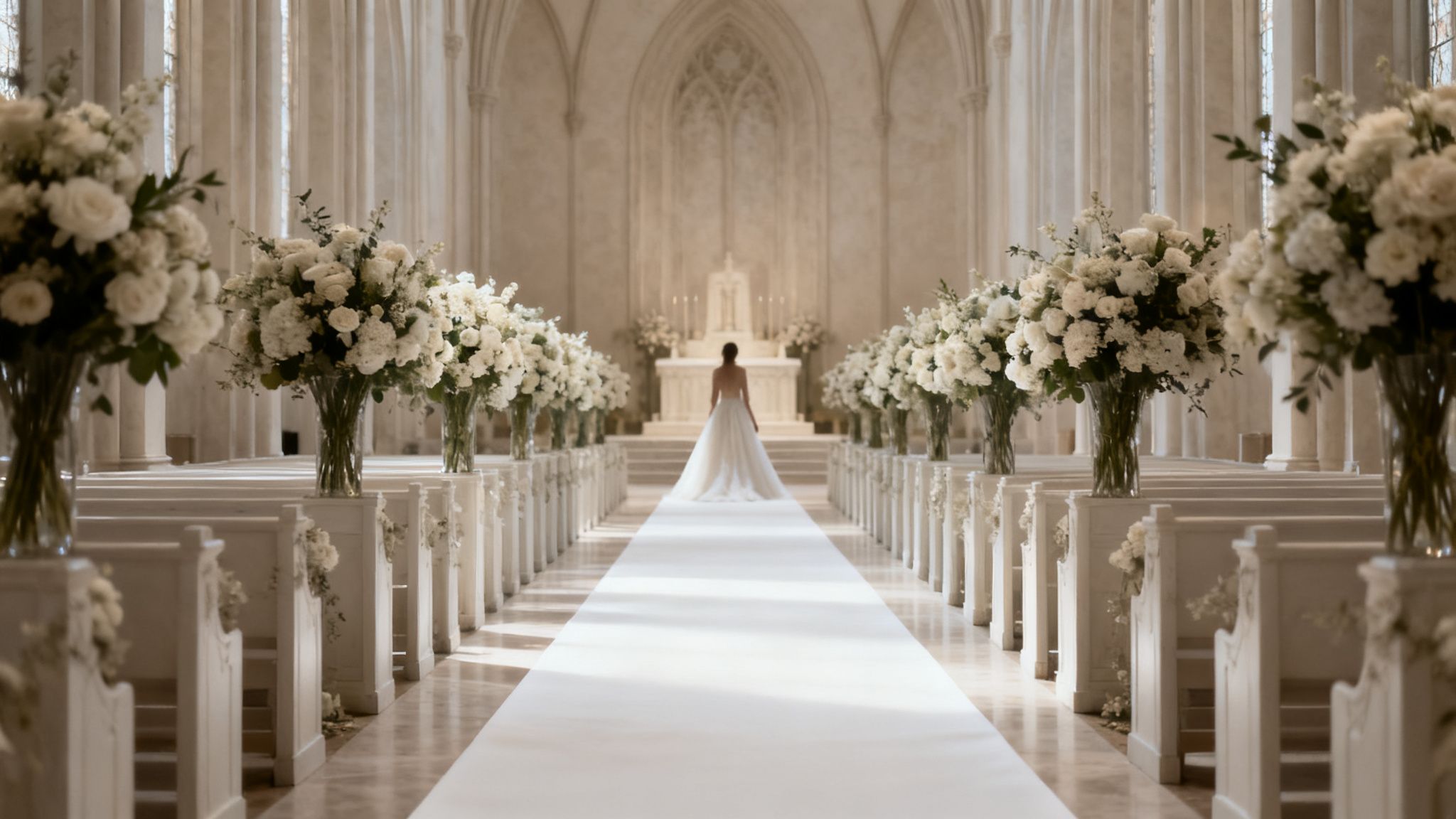
A sophisticated jazz arrangement elevates "Unforgettable" from a beautiful recording to an immersive experience. A professional band like Uptown Drive can deliver this classic with the class it deserves, featuring live piano, an upright bass, and smooth vocal harmonies that create an upscale, refined entrance. Their ability to capture the intimate warmth of the song while performing it live adds a layer of depth and emotion perfect for a black-tie affair or a venue with a supper-club aesthetic.
Why It Works For Your Entrance
This choice is perfect for couples valuing timeless elegance and wanting to create a moment that feels both intimate and grand. The song's gentle tempo and loving lyrics transcend generational boundaries, ensuring every guest feels the weight and beauty of the moment as you walk down the aisle.
Tips for a Live Band Performance
Duo Vocals: Request that your band features both male and female vocalists to honor the iconic duet arrangement. Uptown Drive's talented singers can create a beautiful, harmonious blend.
Classic Instrumentation: Lean into the jazz-standard feel by asking for an arrangement centered on piano, upright bass, and light, brushed drums to maintain an intimate atmosphere.
Pacing Your Walk: Coordinate an elegant, unhurried processional pace with the band's tempo. The slow, romantic rhythm of this song is perfect for a graceful and memorable entrance.
Frequently Asked Questions (FAQs)
What is the most popular song for a bride's entrance?
While traditional choices like Wagner's "Bridal Chorus" ("Here Comes the Bride") and Pachelbel's "Canon in D" remain incredibly popular, modern classics like Christina Perri's "A Thousand Years" and John Legend's "All of Me" are now just as common for creating a deeply emotional and personal moment.
How do I choose the right entrance song for my wedding?
Choose a song that reflects your personality as a couple and the overall vibe of your wedding. Consider the tempo for your walking pace and the emotional tone you want to set. Whether you want something classic, joyful, or deeply romantic, the song should feel authentic to your love story.
Should I use a live band or a recording for my entrance?
A live band offers an unmatched level of emotional impact and flexibility. A professional band like Uptown Drive can customize the arrangement, adjust the timing to your walk in real-time, and create a rich, dynamic sound that a recording cannot replicate. Their Certified Original Lineup guarantees consistent excellence every time.
Final Thoughts
Choosing the perfect song for the wedding entrance of the bride is more than just picking a pleasant tune; it's about curating the emotional atmosphere for one of life's most significant moments. This single piece of music sets the stage, quiets the room, and directs every eye to the aisle. It's the overture to your new life together, a sonic representation of your love story that will be forever linked to the memory of you taking those first steps toward your future. As we've explored, the right song can transform a simple walk into a profoundly moving and personal statement.
The journey to finding that perfect track involves introspection and collaboration. It requires you to think about what you want your guests to feel: are you aiming for timeless elegance, modern romance, or infectious joy? Your choice communicates your personality as a couple. Whether you envision the classic, regal procession of "Canon in D" or the heartwarming, contemporary feel of "A Thousand Years," the song becomes the soundtrack to a core memory. It’s the invisible thread connecting you, your partner, and every guest in a shared, unforgettable experience.
Key Takeaways for Crafting Your Perfect Entrance
To ensure your bridal entrance is everything you’ve dreamed of, let's distill the most critical takeaways from our guide:
Align the Song with Your Wedding's Vibe: Your entrance music should feel cohesive with your overall theme. A rustic barn wedding might call for an acoustic indie track, while a black-tie hotel affair may be better suited for a classical string quartet or a cinematic instrumental.
Consider the Emotional Arc: Think about the feeling you want to build. A slow, emotional ballad creates a sense of tender anticipation. An upbeat, joyful anthem generates excitement and celebration from the very start. There is no wrong answer, only the one that feels right for you.
Timing and Choreography are Crucial: Practice your walk! Understand the key moments in the song, such as the instrumental build-up or the first chorus, and plan your entrance to coincide with the most impactful part. Communicate this plan clearly with your coordinator and your music provider, whether it's a DJ or a live band.
Live Music Adds Unmatched Impact: A live performance elevates the moment exponentially. Professional musicians, like those in Uptown Drive, can adapt the song's tempo in real-time to match your walking pace, extend an instrumental section if needed, and create a rich, immersive sound that a recording simply cannot replicate. The energy of a live band performing one of the most important songs for the wedding entrance of the bride is truly unparalleled.
From Aisle to After-Party: Your Complete Wedding Soundtrack
The bridal entrance is a pivotal moment, but it's just one part of your celebration's musical narrative. Each phase of your day, from the guest arrivals to the final dance, deserves its own carefully selected soundtrack. As you carefully select the perfect piece for your walk down the aisle, remember that your celebration extends beyond just one moment; explore our guide to creating your ultimate wedding music playlist for every part of your special day. A cohesive musical plan ensures a seamless and memorable experience for everyone.
Ultimately, your bridal entrance song is your personal anthem. It's a reflection of your journey and a proclamation of the love you're celebrating. Trust your instincts, choose a song that resonates deep within your heart, and work with professionals who can bring your vision to life flawlessly. This moment is yours and yours alone, so make it sound exactly like you.
Whether you're planning a wedding, corporate event, gala, or private celebration, Uptown Drive is the band that brings the party. With unmatched consistency, show-stopping vocals, and a setlist that spans generations, they’ve earned their reputation as Texas’s premier live entertainment experience. 👉 Explore Uptown Drive and check availability


Comments